The Role of Probiotics in Gut Health
Our digestive system is home to trillions of bacteria, both beneficial and harmful. The balance between these two types of bacteria plays a crucial role in gut health. When the bad bacteria outweigh the good, it can lead to various digestive issues like bloating, gas, diarrhea, constipation, and even more serious conditions such as irritable bowel syndrome (IBS) or inflammatory bowel disease (IBD). This is where probiotics come into play.
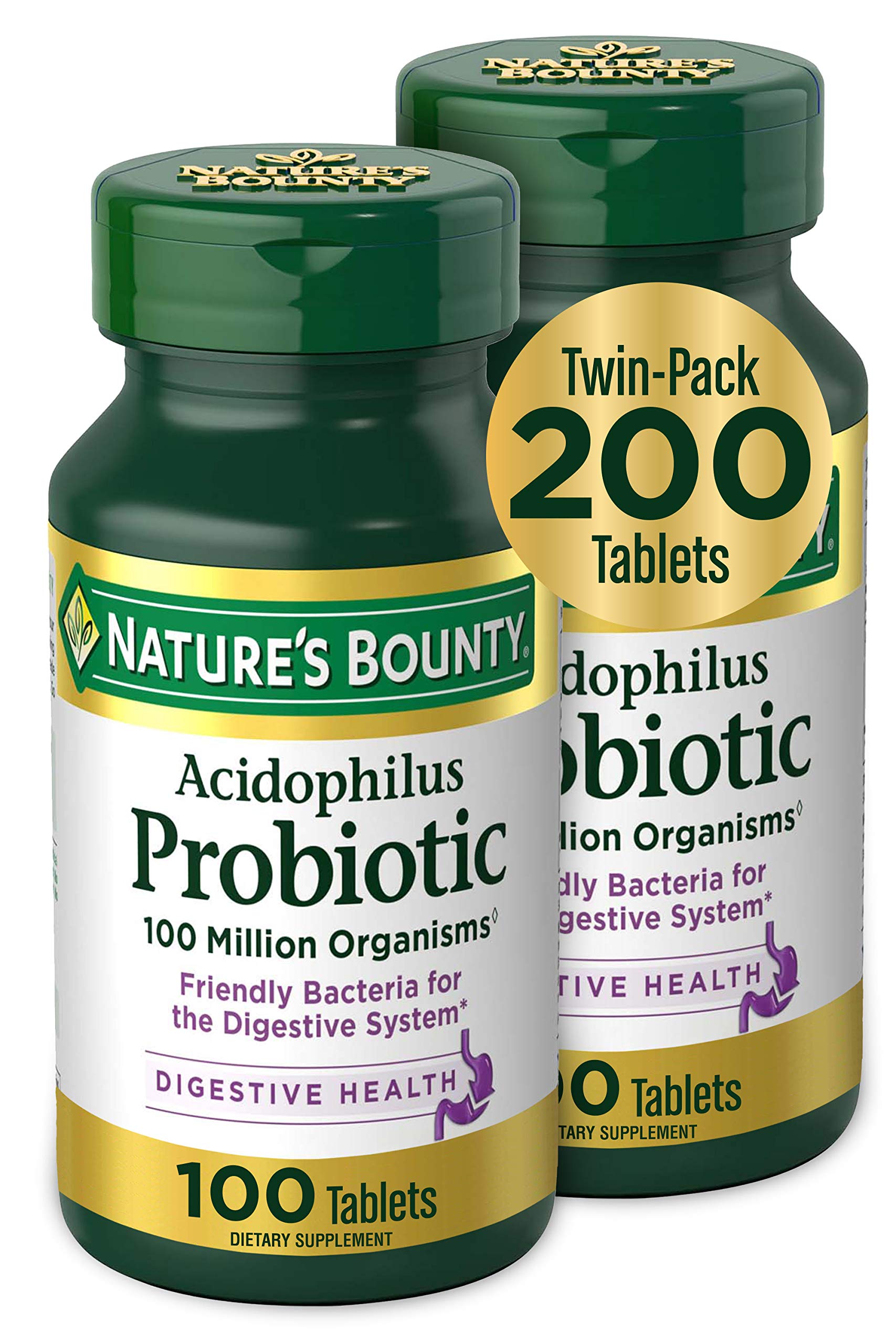
Probiotics are live microorganisms that provide health benefits when consumed in adequate amounts. They are commonly found in fermented foods like yogurt, sauerkraut, kimchi, kefir, and kombucha. Probiotic supplements are also available for those who prefer a more concentrated dosage.
Here’s how probiotics contribute to optimal gut health:
1. Restoring Microbial Balance: One of the main advantages of consuming probiotics is their ability to restore the delicate balance between good and bad bacteria in our gut. By introducing beneficial strains of bacteria into our digestive system through food or supplements, we can help replenish the population of friendly microbes that promote healthy digestion.
2. Enhancing Digestive Function: Probiotics aid digestion by breaking down complex carbohydrates and fiber that our body cannot digest on its own. This process produces short-chain fatty acids (SCFAs), which act as fuel for the cells lining our colon while also maintaining an optimal pH level within the gut environment.
3. Strengthening Intestinal Barrier: The lining of our intestines acts as a physical barrier against harmful substances from entering our bloodstream. However, when this barrier becomes weakened due to inflammation or other factors, toxins may leak through and cause chronic inflammation throughout the body. Probiotics have been shown to strengthen this intestinal barrier by promoting tight junction integrity and reducing permeability.
4. Modulating Immune Response: Approximately 70% of our immune system resides in the gut. Probiotics help regulate immune function by stimulating the production of immunoglobulins and enhancing the activity of natural killer cells. By balancing the immune response, probiotics can alleviate symptoms associated with autoimmune conditions like Crohn’s disease or ulcerative colitis.
5. Alleviating Digestive Disorders: Several studies have shown that probiotics can provide relief for various digestive disorders. For instance, certain strains such as Lactobacillus acidophilus and Bifidobacterium infantis have been found to improve symptoms in individuals with IBS, including abdominal pain, bloating, and irregular bowel movements. Additionally, probiotics may reduce diarrhea caused by infections or antibiotic use.
6. Supporting Mental Health: Emerging research suggests a strong connection between gut health and mental well-being. The gut-brain axis is a bidirectional communication pathway between our intestines and brain through which they influence each other’s function. Probiotics have shown promise in reducing anxiety, depression, and stress levels by modulating neurotransmitter production and improving overall gut health.
7. Promoting Weight Management: Certain strains of bacteria found in probiotic supplements have been linked to weight loss or prevention of weight gain. They may increase feelings of fullness, reduce calorie absorption from food, modify fat storage mechanisms, and decrease inflammation associated with obesity.
It is important to note that not all probiotic strains are equal when it comes to their effects on gut health. Different strains offer unique benefits; therefore choosing the right one(s) depends on your specific needs or condition.
Additionally, while consuming foods rich in probiotics is generally safe for most people, those with compromised immune systems or serious medical conditions should consult their healthcare provider before starting any new supplement regimen.
In conclusion, incorporating probiotics into your diet can be an effective way to support optimal gut health. These live microorganisms play a vital role in restoring microbial balance, enhancing digestive function, strengthening the intestinal barrier, modulating immune response, alleviating digestive disorders, supporting mental health, and promoting weight management. By including probiotic-rich foods or supplements in your daily routine, you can take a proactive approach to maintaining a healthy gut and overall wellbeing.

Leave a Reply