Gut Health and Probiotics: Exploring the Connection
In recent years, there has been a growing interest in gut health and its impact on overall well-being. From digestive issues to mental health, the balance of bacteria in our gut plays a crucial role in maintaining optimal health. One way to support this delicate balance is through the consumption of probiotics. In this article, we will delve into the world of gut health and explore how probiotics can promote a healthy microbiome.
The Gut Microbiome: A Complex Ecosystem
Our gastrointestinal tract is home to trillions of microorganisms, collectively known as the gut microbiome. These microscopic organisms include bacteria, viruses, fungi, and other microbes that coexist with our body cells. The composition of our gut microbiota is influenced by various factors such as genetics, diet, environment, stress levels, medications, and more.
A Healthy Gut for Optimal Well-Being
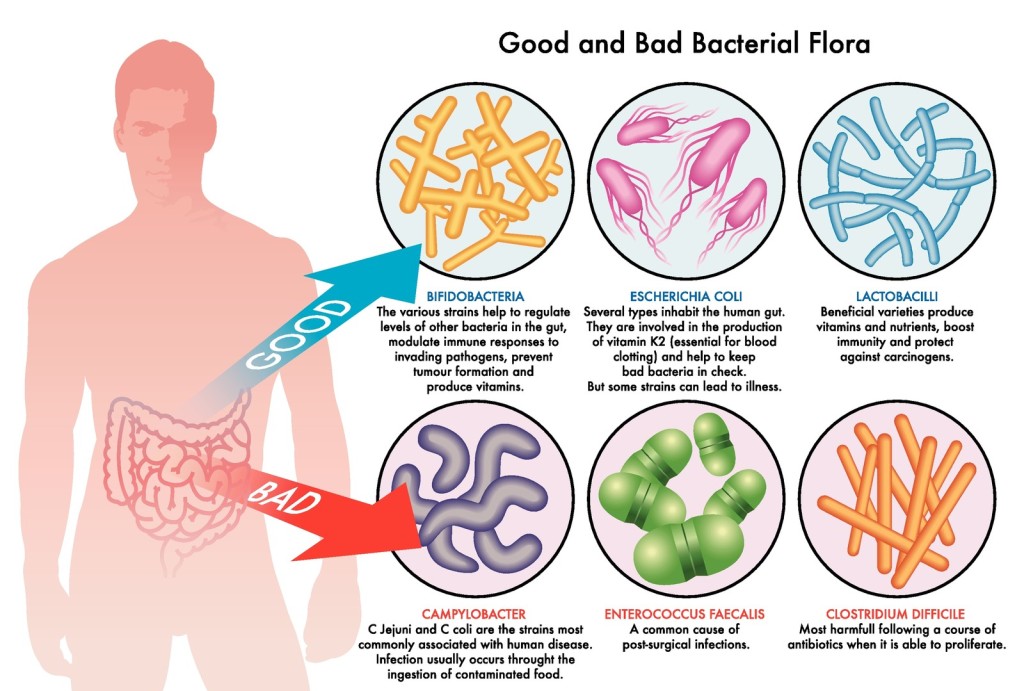
Maintaining a healthy gut is vital for proper digestion and overall well-being. When the balance between beneficial and harmful bacteria gets disrupted (known as dysbiosis), it can lead to an array of health problems like bloating, gas, constipation or diarrhea.
Furthermore, scientific studies have shown that imbalances in the gut microbiome are linked to various chronic conditions such as obesity, type 2 diabetes, autoimmune diseases like inflammatory bowel disease (IBD), allergies and asthma.
Probiotics: Nature’s Helper for Gut Health
Probiotics are live microorganisms that provide numerous benefits when consumed in adequate amounts. They help restore and maintain a healthy balance within the gut microbiome by promoting the growth of beneficial bacteria while inhibiting harmful ones.
Common sources of probiotics include fermented foods like yogurt (with live cultures), kefir (a fermented milk drink), sauerkraut (fermented cabbage), kimchi (spicy Korean fermented vegetables) or kombucha (fermented tea). Probiotics are also available as dietary supplements in the form of capsules, tablets, or powders.
Health Benefits of Probiotics
1. Improved Digestion: Probiotics aid in breaking down food and absorbing nutrients, thereby supporting optimal digestion. They can alleviate symptoms associated with digestive disorders such as irritable bowel syndrome (IBS) and inflammatory bowel disease (IBD).
2. Enhanced Immunity: The gut is intricately linked to our immune system. By maintaining a healthy gut microbiome, probiotics help strengthen our body’s defenses against harmful pathogens and reduce the risk of infections.
3. Mental Health Support: Emerging research suggests that the gut microbiome influences brain function and mental health. Certain strains of probiotics have been found to reduce symptoms of anxiety, depression, and stress by modulating neurotransmitters like serotonin.
4. Reduced Inflammation: Dysbiosis often leads to chronic inflammation in the gut, which can contribute to various diseases. Probiotics help restore balance and promote an anti-inflammatory environment within the digestive tract.
Choosing the Right Probiotic
With countless probiotic products available on the market, selecting the right one can be overwhelming. It’s important to consider a few key factors:
1. Strain Diversity: Look for a product that contains multiple strains of bacteria since different strains offer unique benefits.
2. Colony Forming Units (CFUs): Pay attention to CFU count; higher numbers indicate a more potent product.
3. Quality Assurance: Opt for reputable brands that ensure their products undergo rigorous testing for purity and potency.
4. Compatibility: Consider any specific dietary restrictions or allergies when choosing a suitable source of probiotics.
It’s worth noting that while probiotics offer many potential benefits for overall health, they may not work equally well for everyone due to individual differences in gut composition and other factors specific to each person’s health profile.
In conclusion, maintaining a healthy gut is crucial for overall well-being, and probiotics play a vital role in supporting this delicate balance. By incorporating probiotic-rich foods or supplements into your diet, you can enhance digestion, boost immunity, support mental health, and reduce inflammation. However, it’s essential to choose the right probiotic product that suits your needs. As always, consult with a healthcare professional before making any significant changes to your diet or supplementation routine.

Leave a Reply