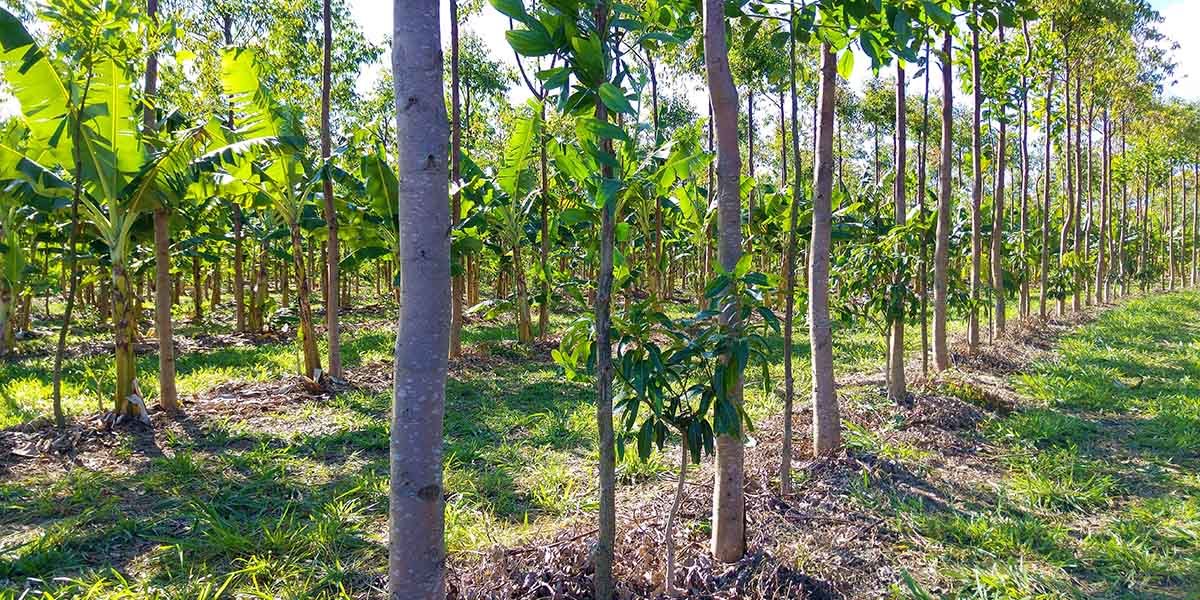
Agroforestry Systems: A Sustainable and Nutrient-Rich Approach to Healthy Eating
In recent years, there has been a growing interest in sustainable farming practices that not only provide nutritious food but also promote environmental conservation. One such approach gaining popularity is agroforestry systems. These systems combine the cultivation of trees with crops or livestock, creating a mutually beneficial relationship that maximizes productivity while minimizing negative impacts on the environment. Let’s explore some of the key benefits and types of agroforestry systems.
1. Increased Biodiversity:
Agroforestry systems promote biodiversity by providing habitats for a wide range of plants and animals. By integrating trees into agricultural fields, farmers create a diverse ecosystem where different species can thrive together. This leads to enhanced soil health, pollination, pest control, and overall resilience to climate change.
2. Soil Improvement:
Trees play a crucial role in improving soil quality within agroforestry systems. Their deep roots help break up compacted soil layers, allowing better water infiltration and nutrient absorption. Fallen leaves act as natural mulch, enriching the soil with organic matter and promoting microbial activity.
3. Climate Change Mitigation:
One significant advantage of agroforestry is its potential to mitigate climate change through carbon sequestration. Trees absorb carbon dioxide from the atmosphere during photosynthesis and store it in their biomass—both aboveground (trunks) and belowground (roots). Additionally, the shade provided by trees reduces evaporation rates from bare soils, conserving water resources.
4. Enhanced Crop Yields:
Agroforestry can increase crop yields due to various reasons including improved microclimate conditions under tree canopies – reduced temperature extremes lead to less stress on crops; reduced wind speeds decrease water loss through transpiration; increased availability of nutrients due to nutrient cycling between tree roots and crops; decreased erosion as tree roots bind soil particles together.
5. Diversified Income Streams:
Agroforestry systems provide farmers with multiple income streams. In addition to annual crop harvests, trees can be harvested for timber or non-timber forest products such as fruits, nuts, and medicinal plants. This diversity helps farmers build resilience against market fluctuations and ensures a more stable income throughout the year.
6. Efficient Water Management:
Trees in agroforestry systems act as natural water managers. They help reduce soil erosion caused by heavy rainfalls and increase water infiltration into the ground, replenishing groundwater reserves. By optimizing water usage, these systems contribute to sustainable water management practices.
There are several types of agroforestry systems, including alley cropping, silvopasture, windbreaks/shelterbelts, and forest farming. Each system has its own unique characteristics but shares the common goal of integrating trees with other agricultural components.
In conclusion, embracing agroforestry systems can revolutionize our approach to healthy eating by providing nutrient-rich food while preserving the environment for future generations. These innovative farming practices offer numerous benefits such as increased biodiversity, improved soil health, climate change mitigation potential, enhanced crop yields, diversified income streams for farmers, and efficient water management strategies. By supporting agroforestry initiatives and incorporating their produce into our diets wherever possible, we contribute to a sustainable food system that nourishes both people and the planet.

Leave a Reply