The Role of Soluble Fiber in Reducing Cholesterol Levels
High cholesterol levels can increase the risk of heart disease and other cardiovascular conditions. Fortunately, incorporating soluble fiber into your diet can help lower cholesterol levels and improve heart health.
Soluble fiber is a type of dietary fiber that dissolves in water to form a gel-like substance. This substance helps to reduce the absorption of cholesterol into the bloodstream, thus lowering LDL (bad) cholesterol levels. It does this by binding with bile acids in the intestine, preventing them from being reabsorbed and forcing the liver to use more cholesterol to produce new bile acids.
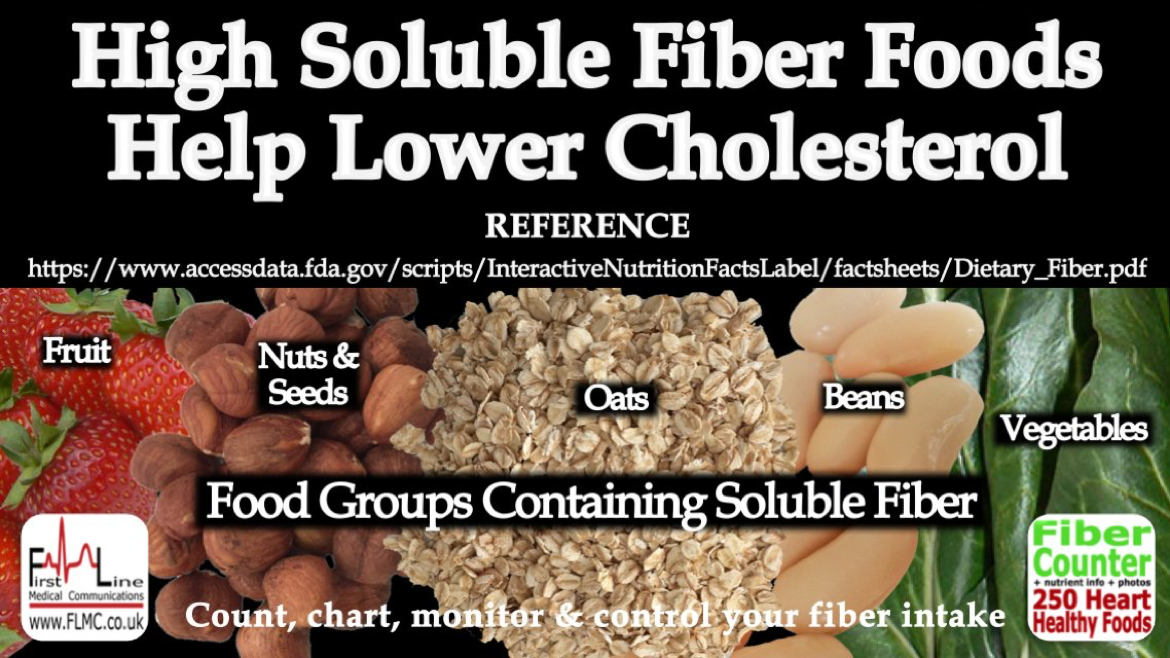
Some excellent sources of soluble fiber include oats, barley, legumes (such as beans and lentils), fruits (like apples, oranges, and berries), vegetables (such as carrots and Brussels sprouts), flaxseeds, chia seeds, and psyllium husk.
Including these foods in your diet on a regular basis can have significant benefits for reducing cholesterol levels. For example, oats contain beta-glucan, a particular type of soluble fiber that has been extensively studied for its cholesterol-lowering effects. Consuming just 3 grams of beta-glucan per day can lead to a reduction in total cholesterol by up to 5%.
In addition to its beneficial effect on cholesterol levels, soluble fiber also helps regulate blood sugar levels by slowing down digestion and promoting a gradual release of glucose into the bloodstream. This is particularly important for individuals with diabetes or those at risk for developing it.
It’s worth noting that while soluble fiber gets most of the attention when it comes to improving heart health and managing diabetes, insoluble fiber also plays an essential role in maintaining overall digestive health.
Insoluble fibers do not dissolve in water but instead add bulk to stool and promote regular bowel movements. Some lesser-known sources of insoluble fiber include whole grains like brown rice or wheat bran cereals like bran flakes, nuts and seeds (such as almonds and sunflower seeds), and certain vegetables like celery and cucumbers.
By incorporating a variety of both soluble and insoluble fiber-rich foods into your diet, you can optimize the benefits for heart health, digestion, weight management, diabetes control, and even cancer prevention.
It is important to note that obtaining fiber from whole food sources is generally more beneficial than relying on supplements. Whole foods contain additional nutrients that work synergistically with fiber to support overall health. Additionally, gradually increasing your fiber intake over time can help prevent digestive discomfort such as bloating or gas.
In conclusion, consuming a diet rich in soluble fiber has been shown to be effective in reducing cholesterol levels. Including a variety of high-fiber foods like oats, legumes, fruits, vegetables, flaxseeds, and chia seeds can provide numerous health benefits beyond just lowering cholesterol. Remember to also incorporate insoluble fibers from whole grains, nuts/seeds, and certain vegetables for optimal digestive function. As always consult with a healthcare professional or registered dietitian before making any significant dietary changes or starting any new supplements.

Leave a Reply