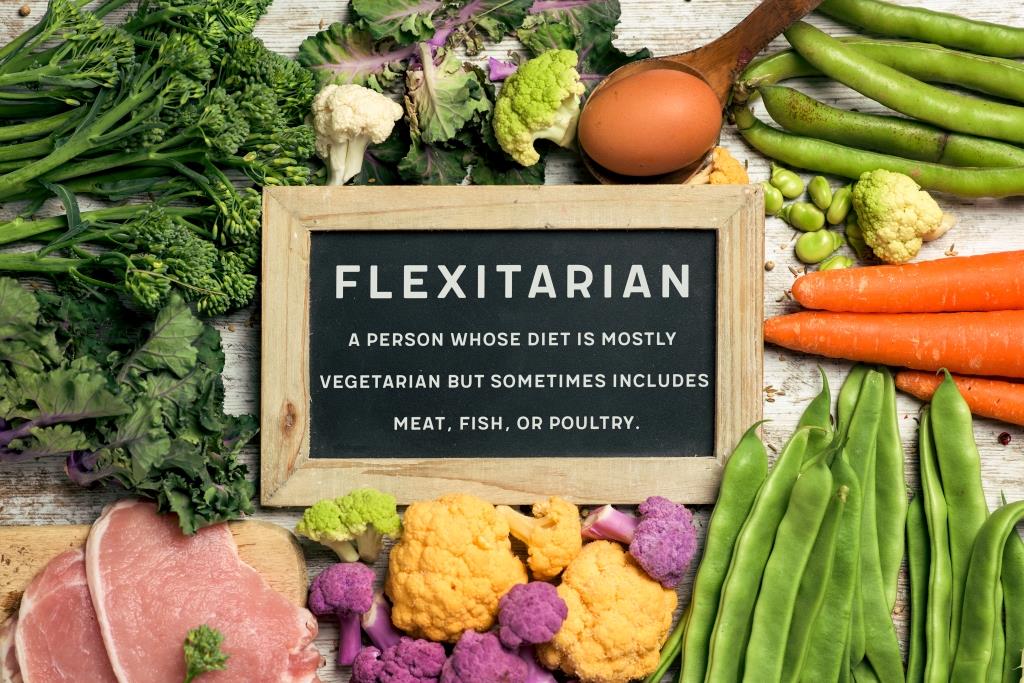
Transitioning to a Flexitarian Lifestyle: A Journey Towards Balanced and Sustainable Eating
In recent years, an increasing number of individuals have been embracing the flexitarian lifestyle as a way to improve their health and reduce their impact on the environment. This dietary approach combines the best of both worlds, incorporating elements of vegetarianism while still allowing for occasional consumption of meat and other animal products. If you’re considering making this transition, read on to learn about the benefits and practical tips for adopting a flexitarian lifestyle.
One of the main reasons people choose to become flexitarians is its positive impact on personal health. By reducing meat intake and focusing more on plant-based foods, individuals can enjoy numerous health benefits such as weight loss, reduced risk of chronic diseases like heart disease and diabetes, improved digestion, increased energy levels, and better overall well-being. The abundance of fruits, vegetables, legumes, whole grains, nuts, and seeds that make up a flexitarian diet provides essential nutrients while being low in saturated fat and cholesterol.
Flexitarianism also promotes sustainability by mitigating environmental concerns associated with intensive animal agriculture. Livestock farming contributes significantly to greenhouse gas emissions and deforestation while depleting valuable resources like water. By opting for more plant-based meals instead of relying heavily on animal products every day, we can collectively reduce our carbon footprint and help preserve our planet’s natural resources.
Making the transition towards a flexitarian lifestyle doesn’t have to be daunting or restrictive. Start by gradually reducing your meat consumption throughout the week; perhaps designate specific days where you commit to eating exclusively plant-based meals. Experimenting with new recipes that focus on colorful vegetables or alternative protein sources like tofu or tempeh can make the journey exciting rather than overwhelming.
It’s important not to overlook meal planning when adopting a flexitarian diet. Ensuring you have a variety of ingredients readily available will prevent last-minute reliance on fast food or processed options. Explore diverse cuisines from around the world that naturally incorporate plant-based dishes, such as Mediterranean or Asian cuisine. These traditions offer a wealth of inspiration and can help you discover new favorite flavors.
Remember, adopting a flexitarian lifestyle is about finding balance and making conscious choices rather than strict rules. Allow yourself the freedom to enjoy occasional meat-based dishes when dining out or during special occasions without guilt. Every small step towards reducing your meat consumption contributes to both personal well-being and a more sustainable future for our planet.
In conclusion, transitioning to a flexitarian lifestyle offers countless benefits for personal health and the environment. By gradually shifting towards plant-based eating while still allowing for occasional animal products, individuals can experience improved well-being while minimizing their ecological footprint. Embrace this journey with an open mind, explore new flavors, be kind to yourself, and savor the positive changes that come with embracing a flexitarian approach to food.

Leave a Reply