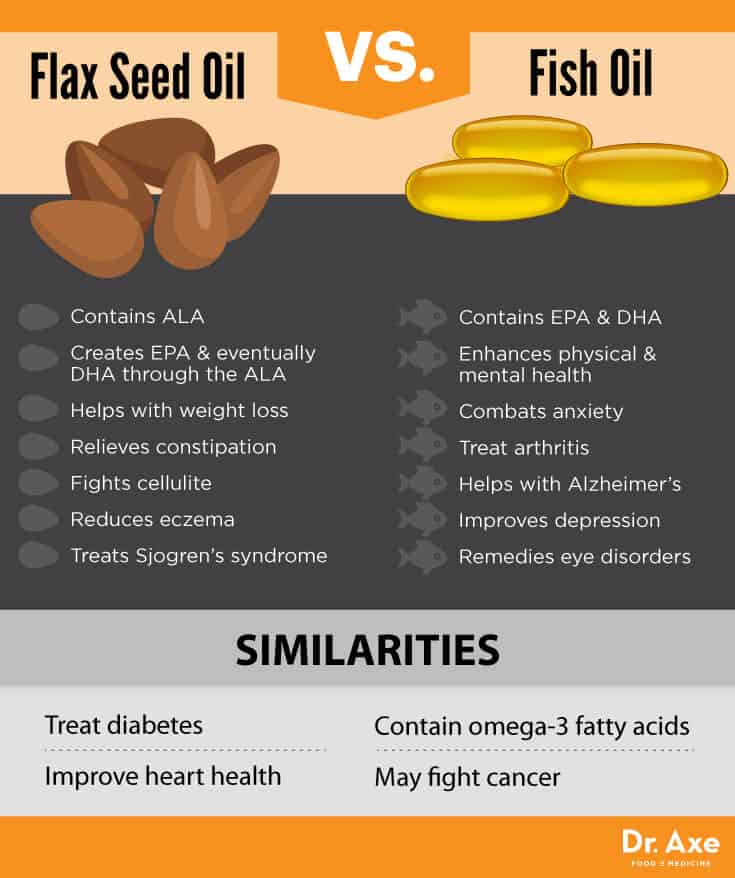
Flaxseed oil, also known as linseed oil, is derived from the seeds of the flax plant (Linum usitatissimum). It has gained popularity in recent years due to its numerous health benefits. Packed with essential nutrients and rich in omega-3 fatty acids, flaxseed oil offers a wide range of advantages for those looking to improve their overall well-being.
One of the primary reasons why flaxseed oil is highly regarded is its high concentration of alpha-linolenic acid (ALA), an omega-3 fatty acid. ALA plays a crucial role in reducing inflammation in the body and promoting cardiovascular health. Studies have shown that regular consumption of flaxseed oil can help lower blood pressure, reduce bad cholesterol levels (LDL), and decrease the risk of heart disease.
Another notable benefit of flaxseed oil is its potential impact on skin health. The omega-3 fatty acids present in this oil are believed to help nourish the skin from within, improving hydration and elasticity while reducing dryness and irritation. Some studies suggest that incorporating flaxseed oil into your diet may alleviate symptoms associated with common skin conditions like eczema and psoriasis.
In addition to its omega-3 content, flaxseed oil contains lignans – natural compounds found abundantly in plants – which possess antioxidant properties. These antioxidants help protect cells from damage caused by free radicals, thus minimizing the risk of chronic diseases such as cancer and diabetes. Moreover, lignans have been linked to hormonal balance support during menopause, potentially relieving hot flashes and other associated symptoms.
Flaxseed oil also serves as an excellent source of dietary fiber. Fiber aids digestion by promoting regular bowel movements and preventing constipation. Additionally, it contributes to weight management by increasing satiety levels, helping you feel fuller for longer periods after meals.
When incorporating flaxseed oil into your diet, it’s important to note that the body doesn’t efficiently convert ALA into other omega-3 fatty acids, such as eicosapentaenoic acid (EPA) and docosahexaenoic acid (DHA). Therefore, if you’re looking to obtain these specific omega-3s, it may be beneficial to consider alternative sources like fish oil or algae-based supplements.
To maximize the benefits of flaxseed oil, it is recommended to consume it in its cold-pressed form. Heat can destroy some of the delicate compounds present in the oil. Add a tablespoon of flaxseed oil to your smoothies, salad dressings, or drizzle it over cooked vegetables for an easy way to incorporate this nutritious oil into your diet.
In conclusion, incorporating flaxseed oil into your daily routine can provide numerous health benefits. From promoting heart health and improving skin conditions to aiding digestion and providing essential nutrients, flaxseed oil is a versatile addition to any healthy eating plan. However, remember that moderation is key when consuming any type of fat-rich food or supplement. As always, consult with a healthcare professional before making significant changes to your diet or lifestyle.

Leave a Reply