Asian cuisine has long been admired for its vibrant flavors, bold spices, and refreshing ingredients. From sushi to stir-fries, Asian dishes are not only delicious but also packed with nutrients. If you’re looking to incorporate healthier cooking techniques into your everyday meals while still indulging in the delightful flavors of Asian cuisine, look no further! In this post, we’ll explore some creative ways to prepare nutritious Asian-inspired dishes that will tantalize your taste buds without compromising your health.
1. Swap Out the Deep Fryer: Stir-Frying is Your Friend
Deep-fried dishes may be tempting, but let’s face it – they’re not the best option for our waistlines or overall health. Instead of reaching for that deep fryer, embrace stir-frying as a healthier alternative. This technique involves quickly cooking bite-sized pieces of meat or vegetables over high heat with minimal oil.
To get started with stir-frying, invest in a good quality wok or skillet that heats evenly. Preheat it on high heat before adding a small amount of oil – sesame oil works wonders here as it adds an authentic Asian flavor profile.
Next, toss in your favorite veggies like bell peppers, broccoli florets, snap peas, and mushrooms. Stir them around briskly until they start to soften but still retain their crispness. Add lean protein options such as chicken breast strips or shrimp and continue to cook until they are cooked through.
To enhance the flavors further and keep things healthy yet flavorful, reach for low-sodium soy sauce or tamari instead of using excessive salt. You can also add ginger-garlic paste for an extra kick and sprinkle some toasted sesame seeds on top just before serving.
2. Go Green with Steamed Dumplings
Dumplings are beloved in many Asian cuisines – from Chinese jiaozi to Japanese gyoza – these little pockets of joy can now be enjoyed guilt-free by opting for steaming instead of frying.
Making dumplings from scratch can be a fun and interactive cooking activity. Start by preparing the filling – a combination of lean ground meat (like chicken or turkey), finely chopped vegetables such as cabbage, carrots, and scallions, along with garlic and ginger for that unmistakable Asian flavor. Mix these ingredients together and season with low-sodium soy sauce or tamari.
Now comes the exciting part – wrapping! Use store-bought dumpling wrappers or make your own dough using a mixture of all-purpose flour and water. Fill each wrapper with about a tablespoon of the filling, fold it in half to form a crescent shape, and seal the edges by pressing firmly.
Line your steamer basket with parchment paper or lettuce leaves to prevent sticking, then arrange the dumplings inside without overcrowding. Steam them over boiling water for about 10-12 minutes until they are cooked through.
Serve these delightful steamed dumplings alongside a dipping sauce made from reduced-sodium soy sauce mixed with rice vinegar, sesame oil, minced garlic, and chili paste for an added kick!
3. Embrace Raw Delights: Sushi Rolls
Sushi is undoubtedly one of Japan’s most famous culinary exports but enjoying it regularly at restaurants can be exorbitantly expensive. Why not try making sushi rolls at home? Not only will you save money but you’ll also have full control over what goes into your rolls.
Start by purchasing sushi-grade fish or opt for vegetarian options like cucumber sticks or avocado slices if raw fish isn’t your thing. You’ll also need some sheets of nori seaweed which can be found in most grocery stores nowadays.
Spread a thin layer of cooked sushi rice on top of the nori sheet leaving about an inch empty at one end so you can seal the roll later on. Add your choice of fillings – thinly sliced fish/veggies/herbs – in a straight line across the rice.
To make rolling easier, use a sushi mat or a clean kitchen towel. Start rolling from the end with the fillings, applying gentle pressure to ensure everything stays in place. Moisten the empty edge of nori with water to seal the roll.
Once you have your rolls ready, use a sharp knife dipped in water to slice them into bite-sized pieces. Serve your homemade sushi rolls with reduced-sodium soy sauce and wasabi for an authentic touch.
4. Noodle Alternatives: Rice Paper Wraps
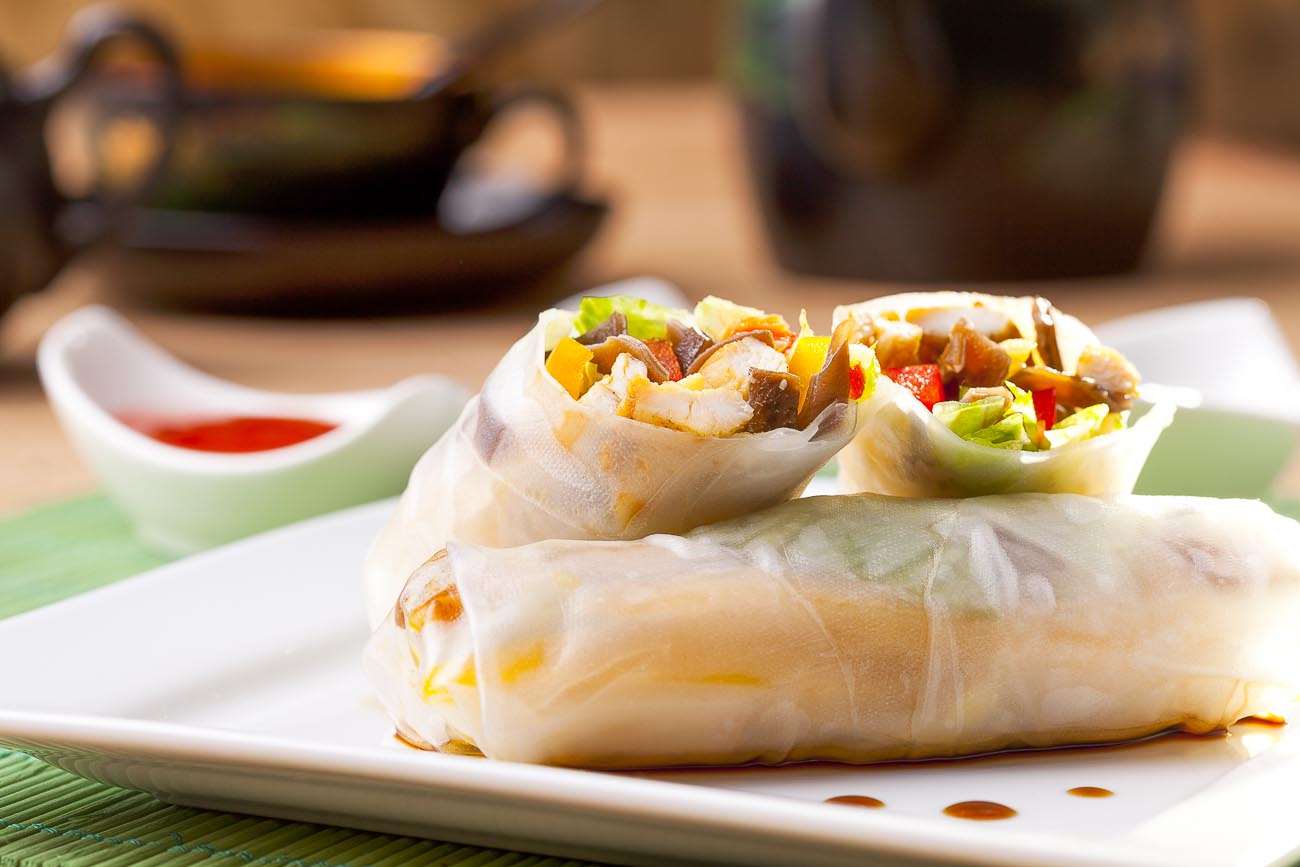
If you’re watching your carb intake or simply want a lighter option than traditional noodles, rice paper wraps are an excellent alternative. These translucent sheets made from ground rice flour can be filled with an array of fresh veggies and protein sources, making them both healthy and delicious.
Soak each sheet of rice paper briefly in warm water until it becomes pliable but still holds its shape. Place it on a clean surface and arrange thinly sliced vegetables like carrots, bell peppers, cucumber sticks, lettuce leaves, and herbs such as cilantro or mint in the center of the wrap.
Add some cooked shrimp or grilled chicken for protein if desired. Fold over one side of the wrap tightly over the filling then fold both ends inward before rolling it up tightly like a burrito.
Serve these refreshing rice paper wraps alongside peanut dipping sauce – made by whisking together natural peanut butter (without added sugar), lime juice, low-sodium soy sauce/tamari, honey/agave syrup (for sweetness), minced garlic, and red pepper flakes for some heat!
5. The Power of Fermentation: Kimchi
Kimchi is Korea’s national dish – a spicy fermented cabbage that has gained popularity worldwide due to its unique flavor profile and gut-friendly probiotics content. While kimchi can be found at many grocery stores nowadays, making it at home allows you full control over ingredients like salt content and fermentation time.
Start by cutting a head of Napa cabbage into bite-sized pieces and placing them in a large bowl. Sprinkle salt over the cabbage and let it sit for about an hour, allowing the excess moisture to be drawn out. Rinse off the excess salt and pat dry.
In a separate bowl, mix together minced garlic, grated ginger, Korean chili powder (gochugaru), fish sauce or soy sauce/tamari (for a vegetarian version), sliced scallions, and grated carrot. Add this mixture to the cabbage and toss everything together until well combined.
Pack your kimchi tightly in clean glass jars leaving some space at the top as fermentation will cause it to expand. Cover loosely with lids and let it sit at room temperature for 2-3 days before refrigerating. The longer you ferment it, the tangier it becomes!
Kimchi can be enjoyed on its own as a side dish or used as an ingredient in various Asian recipes like fried rice or noodles, adding both flavor and beneficial probiotics.
Asian cuisine-inspired healthy cooking techniques offer endless possibilities for delicious meals that won’t leave you feeling guilty afterward. So go ahead – swap that deep-fried dish with stir-frying, steam those dumplings instead of frying them, make your own sushi rolls using fresh ingredients, experiment with rice paper wraps for lighter noodle alternatives, and don’t forget to embrace the power of fermentation by making homemade kimchi! Your taste buds will thank you while your body reaps the benefits of nutritious Asian-inspired dishes.

Leave a Reply