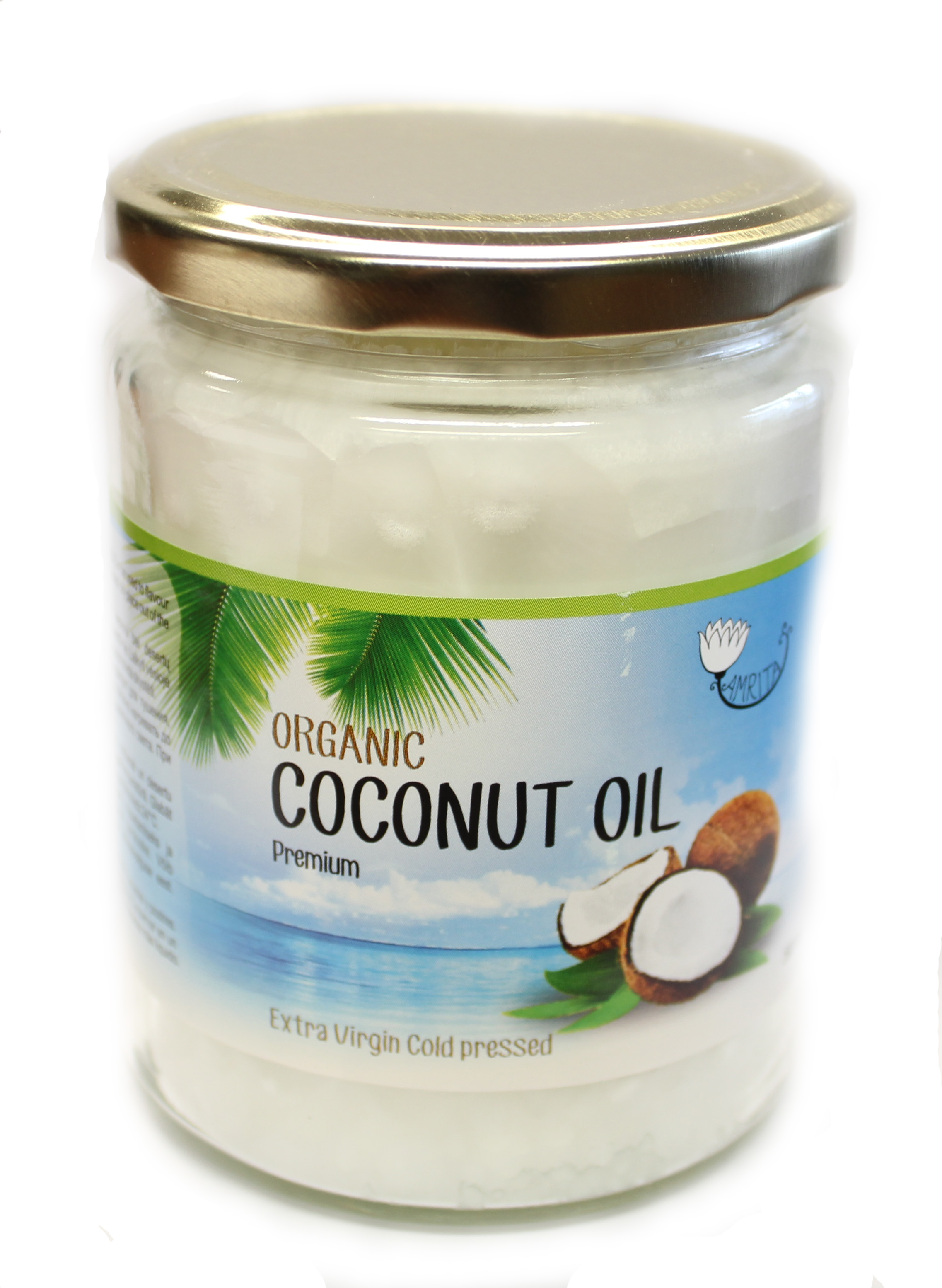
Coconut oil has gained popularity in recent years as a versatile and healthy alternative to traditional cooking oils. This tropical oil is extracted from the meat of mature coconuts, and it offers a wide range of potential health benefits. In this case study, we will delve deep into the properties and uses of coconut oil to understand why it has become a staple in many kitchens around the world.
1. Nutritional Profile
Coconut oil is primarily composed of saturated fats, which make up about 90% of its fatty acid content. While saturated fats have long been associated with negative health effects, recent research suggests that not all saturated fats are created equal. The specific type of saturated fat found in coconut oil is known as medium-chain triglycerides (MCTs), which behave differently in our bodies compared to other types.
Unlike long-chain triglycerides (LCTs) found in most dietary fats, MCTs are metabolized more efficiently by the body and can be used as a quick source of energy rather than being stored as fat. Additionally, coconut oil contains small amounts of vitamins E and K, along with antioxidants that contribute to its overall nutritional value.
2. Heart Health
Contrary to previous beliefs linking all saturated fats to cardiovascular disease risk factors, emerging evidence suggests that MCTs may actually have a positive impact on heart health when consumed in moderation. Several studies indicate that these unique fatty acids can help increase levels of high-density lipoprotein (HDL), also known as “good” cholesterol while decreasing low-density lipoprotein (LDL) or “bad” cholesterol levels.
Furthermore, one study conducted on women consuming coconut oil showed an improvement in their antioxidant status and reduction in markers for oxidative stress – both important factors for maintaining cardiovascular health.
3. Weight Management
The potential weight loss benefits associated with coconut oil stem from its unique ability to boost metabolism due to MCTs’ rapid digestion and utilization by the body. Research suggests that MCTs can increase energy expenditure and fat oxidation, potentially aiding in weight loss efforts.
In a study involving overweight men, those who consumed coconut oil experienced a reduction in waist circumference compared to those consuming soybean oil. While these findings are promising, it’s important to note that coconut oil should be consumed as part of an overall balanced diet and not as a magic solution for weight loss.
4. Digestive Health
Coconut oil may offer several benefits for digestive health due to its antimicrobial properties. The lauric acid found in coconut oil has been shown to have antibacterial, antiviral, and antifungal effects when broken down into monolaurin by the body.
These properties make coconut oil effective against harmful bacteria like H. pylori which can cause stomach ulcers, as well as Candida yeast overgrowth in the gut. Furthermore, MCTs present in coconut oil are easily absorbed by the intestines without requiring bile acids or pancreatic enzymes for digestion – making them an excellent source of energy for individuals with digestive disorders.
5. Skin and Hair Care
The moisturizing properties of coconut oil have made it a popular ingredient in skincare products for centuries. Its medium-chain fatty acids help retain moisture on the skin’s surface by forming a protective layer while also promoting collagen production.
Additionally, applying coconut oil directly onto hair helps prevent protein loss during washing and combing due to its ability to penetrate the hair shaft better than other oils. This makes it an ideal natural conditioner for dry or damaged hair.
6. Cooking Uses
Coconut oil’s high smoke point (around 350°F or 175°C) makes it suitable for various cooking methods such as frying, sautéing, baking, and roasting without producing harmful free radicals associated with overheating other oils.
Its mild flavor adds a pleasant tropical twist to dishes while providing them with healthy fats. Coconut oil can also be used as a substitute for butter or margarine in baking recipes, making it an excellent dairy-free option for those with dietary restrictions.
7. Conclusion
Coconut oil’s unique composition and potential health benefits have made it a popular choice among individuals seeking healthier cooking alternatives. While further research is needed to fully understand the extent of its benefits, current evidence suggests that incorporating coconut oil into your diet may have positive effects on heart health, weight management, digestive function, and even skin and hair care.
As with any food or ingredient, moderation is key. Despite its many potential advantages, coconut oil is still high in calories due to its fat content. Therefore, it should be consumed in moderation as part of a well-balanced diet alongside other healthy fats like olive oil, avocados, nuts, and seeds.
Always consult with a healthcare professional or registered dietitian before making significant changes to your diet or if you have specific health concerns related to the consumption of coconut oil.

Leave a Reply