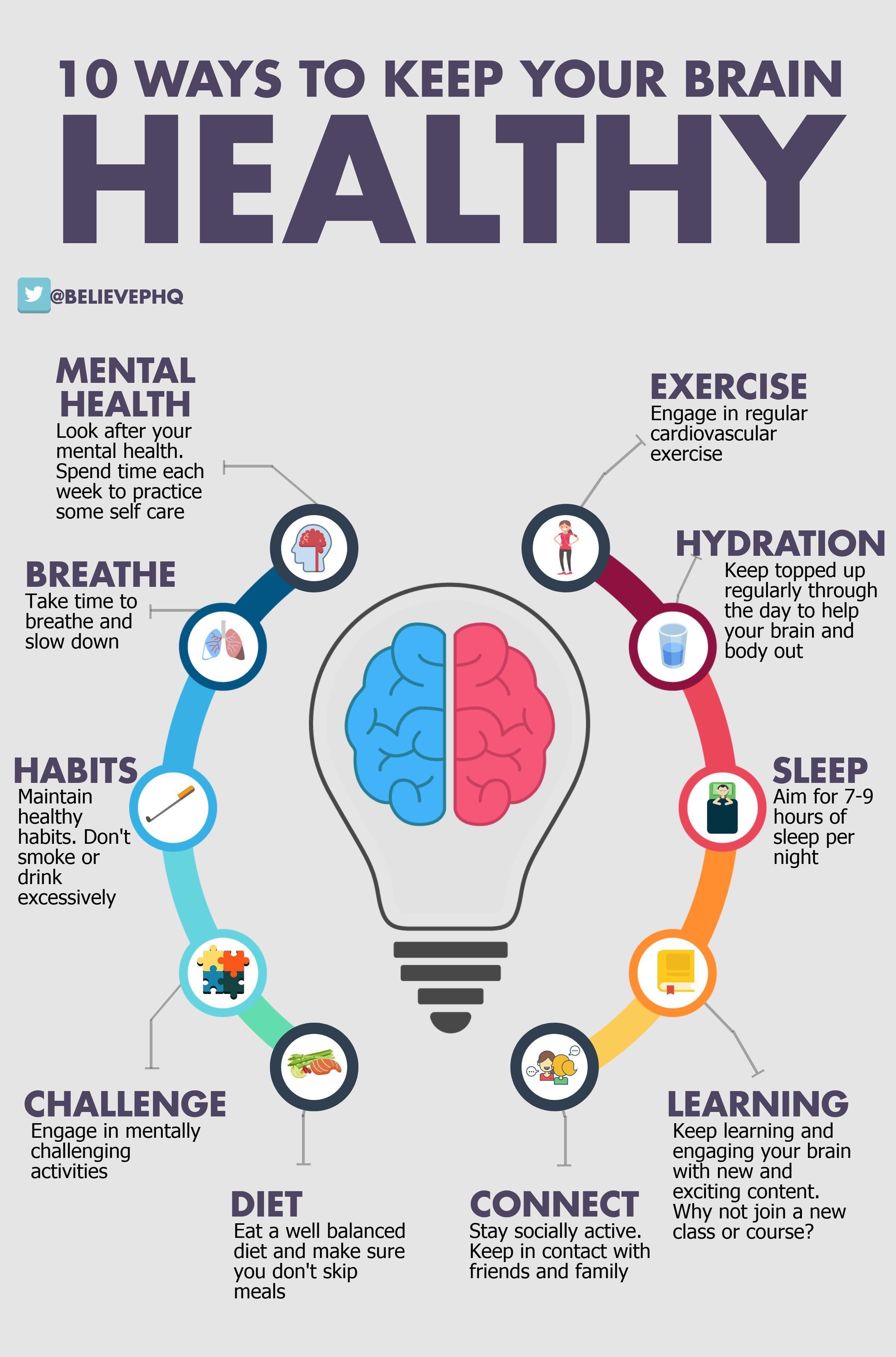
When it comes to maintaining a healthy lifestyle, we often focus on physical fitness and nutrition. But what about our brain health? Our brains are vital organs that require proper care and attention to function optimally. By adopting certain habits and making conscious choices, we can improve our brain health and enhance cognitive abilities. In this article, we will explore some effective strategies for keeping your brain in top shape.
1. Follow a Balanced Diet
A well-balanced diet is not only essential for overall health but also plays a crucial role in brain function. Incorporating nutrient-rich foods into your daily meals can support cognitive performance and reduce the risk of age-related mental decline.
Start by including plenty of fruits and vegetables in your diet. These colorful plants contain antioxidants that help protect the brain from oxidative stress caused by free radicals. Berries, leafy greens (such as spinach and kale), broccoli, avocados, and sweet potatoes are excellent choices.
Omega-3 fatty acids found in fish like salmon, tuna, mackerel, as well as walnuts and flaxseeds promote healthy brain functioning. They have been linked to improved memory and reduced risk of neurological diseases.
Additionally, whole grains provide a steady supply of glucose – the primary energy source for the brain. Opt for whole wheat bread, brown rice, quinoa or oats over refined carbohydrates which cause spikes in blood sugar levels.
2. Stay Hydrated
Dehydration can negatively impact cognitive abilities such as memory retention and focus. It’s important to drink enough water throughout the day to keep your body hydrated—about 8 cups (64 ounces) per day is typically recommended.
Carry a reusable water bottle with you at all times as a reminder to drink water regularly. You can also incorporate hydrating foods like cucumbers or watermelon into your meals or snacks.
3. Get Regular Exercise
Physical exercise not only benefits your body but also has numerous positive effects on brain health. Engaging in regular physical activity increases blood flow to the brain, delivering essential nutrients and oxygen while promoting the growth of new neural connections.
Aim to incorporate at least 150 minutes of moderate-intensity aerobic exercise into your weekly routine. Activities like brisk walking, jogging, swimming, or cycling are excellent choices. Additionally, strength training exercises can help improve cognitive function by increasing levels of brain-derived neurotrophic factor (BDNF), a protein that supports the survival and growth of neurons.
4. Prioritize Quality Sleep
Sleep is crucial for repairing and rejuvenating our bodies—including our brains. During deep sleep stages, our brains consolidate memories and remove toxins accumulated throughout the day.
To improve sleep quality, establish a consistent bedtime routine that includes relaxation techniques such as reading a book or taking a warm bath before bed. Create a comfortable sleeping environment by keeping your bedroom cool, dark, and quiet. Avoid exposure to screens (such as smartphones or laptops) right before bed as the blue light emitted can disrupt melatonin production and interfere with sleep.
5. Challenge Your Brain
Just like any other muscle in your body, your brain needs exercise too! Engaging in mentally stimulating activities helps maintain cognitive function and can even slow down age-related decline.
Try learning something new—whether it’s playing an instrument, solving puzzles like crosswords or Sudoku, or even picking up a new language. Engage in intellectually stimulating conversations with friends or join social clubs where you can discuss various topics.
6. Manage Stress Levels
Chronic stress not only affects mental well-being but also has detrimental effects on brain health over time. Prolonged exposure to stress hormones can impair memory formation and increase the risk of developing conditions such as depression or anxiety disorders.
Explore different stress management techniques such as mindfulness meditation, yoga, deep breathing exercises or journaling to help reduce stress levels. Finding healthy outlets for relaxation will not only benefit your brain but also improve your overall quality of life.
7. Stay Socially Active
Maintaining strong social connections is important for brain health and emotional well-being. Regularly interacting with friends, family, or participating in group activities can help prevent cognitive decline and reduce the risk of developing conditions such as dementia.
Join community clubs, volunteer organizations or attend social events to meet new people and engage in meaningful conversations. Keeping an active social life helps stimulate the brain and contributes to a healthier mind.
8. Limit Alcohol Consumption
Excessive alcohol consumption can have detrimental effects on brain health. Chronic alcohol abuse has been linked to memory loss, impaired cognition, and an increased risk of neurodegenerative diseases.
If you choose to drink alcohol, do so in moderation—limiting intake to no more than one drink per day for women or two drinks per day for men. It’s important to remember that excessive drinking poses serious risks not only to your brain but also to other organs in your body.
In conclusion, taking care of our brain health should be a priority just as much as taking care of our physical health. By adopting these strategies into our daily lives—following a balanced diet, staying hydrated, getting regular exercise, prioritizing sleep quality, challenging our brains with stimulating activities, managing stress levels through relaxation techniques, maintaining social connections—and limiting alcohol consumption—we can enhance our cognitive abilities and promote long-term brain health. Start incorporating these habits today for a sharper mind tomorrow!

Leave a Reply