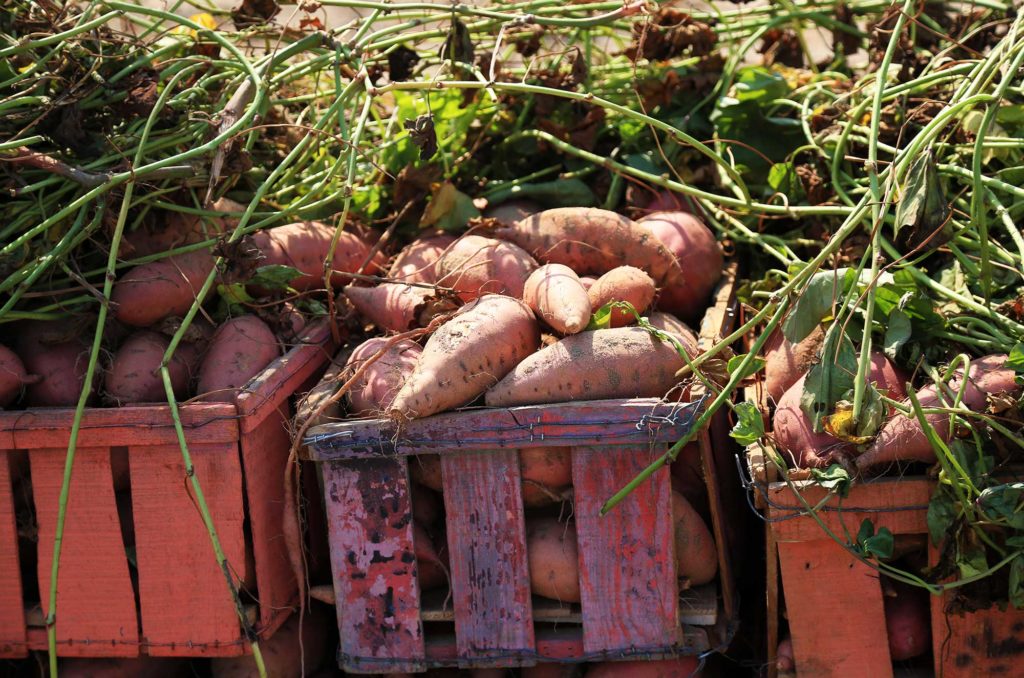
Sweet potatoes are not only a delicious and nutritious addition to our plates, but they also have the potential to be a lucrative crop for farmers. However, like any agricultural venture, sweet potato farming requires financial resources to get started and sustain operations. In this article, we will explore some of the financing options available for sweet potato farmers.
1. Agricultural Loans:
Agricultural loans are one of the most common financing options for farmers. These loans can be obtained from banks, credit unions, or government programs specifically designed to support agriculture. The advantage of agricultural loans is that they offer flexible repayment terms and competitive interest rates tailored to meet the needs of farmers.
2. USDA Farm Service Agency (FSA) Loans:
The USDA FSA provides various loan programs targeted at supporting small-scale farmers with limited access to commercial credit. Farmers can apply for direct operating loans or farm ownership loans through FSA offices located in each state. These loans often come with lower down payment requirements and favorable interest rates.
3. Grants:
Grants are another option worth considering if you’re looking for non-repayable financial assistance for your sweet potato farming venture. Numerous organizations provide grants specifically dedicated to sustainable agriculture practices or improving food security in local communities. Local government bodies, nonprofits focused on agriculture, and even private companies may offer grants that cover start-up costs such as land purchase or equipment acquisition.
4. Crowdfunding:
Crowdfunding platforms have gained popularity over recent years as an alternative way of financing projects across different sectors—including agriculture. Platforms like Kickstarter or Indiegogo allow individuals to showcase their business plans and raise funds directly from interested parties who believe in their vision.
5. Cooperative Financing:
Cooperatives are organizations created by a group of people with similar needs who pool their resources together for mutual benefits—such as securing funding collectively at better terms than individual farmers could obtain alone. Joining a cooperative specific to sweet potato farming can provide access to shared resources, bulk purchasing discounts, and cooperative loans.
6. Microloans:
Microloans are small-scale loans typically offered by community development financial institutions (CDFIs). These loans are specifically designed to support entrepreneurs and farmers with limited capital requirements for their businesses. Microloan programs often have more relaxed eligibility criteria and offer personalized guidance and technical assistance to borrowers.
7. Agricultural Credit Cards:
Agricultural credit cards can be a convenient option for managing ongoing expenses related to sweet potato farming. These cards typically come with benefits tailored for agricultural needs, such as higher credit limits during peak seasons or rewards focused on farm-related purchases.
When considering financing options for your sweet potato farming venture, it is crucial to assess your own borrowing capacity, repayment ability, and the specific requirements of each financing source. Consulting with agricultural extension offices or local farm bureaus can provide valuable insights into available funding programs in your region.
With the right financing in place, you can turn your passion for growing sweet potatoes into a successful business venture that not only feeds communities but also helps sustain our environment and promotes healthy eating habits.

Leave a Reply