Coconut milk has gained popularity in recent years as a nutritious and delicious alternative to dairy milk. Made from the flesh of mature coconuts, coconut milk is not only creamy and flavorful but also offers numerous health benefits. Packed with essential nutrients, it can be a valuable addition to your diet if consumed in moderation.
One of the primary advantages of coconut milk is its high nutritional content. It contains vitamins C, E, B1, B3, B5, and B6, as well as minerals such as iron, selenium, sodium, calcium, magnesium, and phosphorus. These nutrients play crucial roles in maintaining overall health and wellbeing.
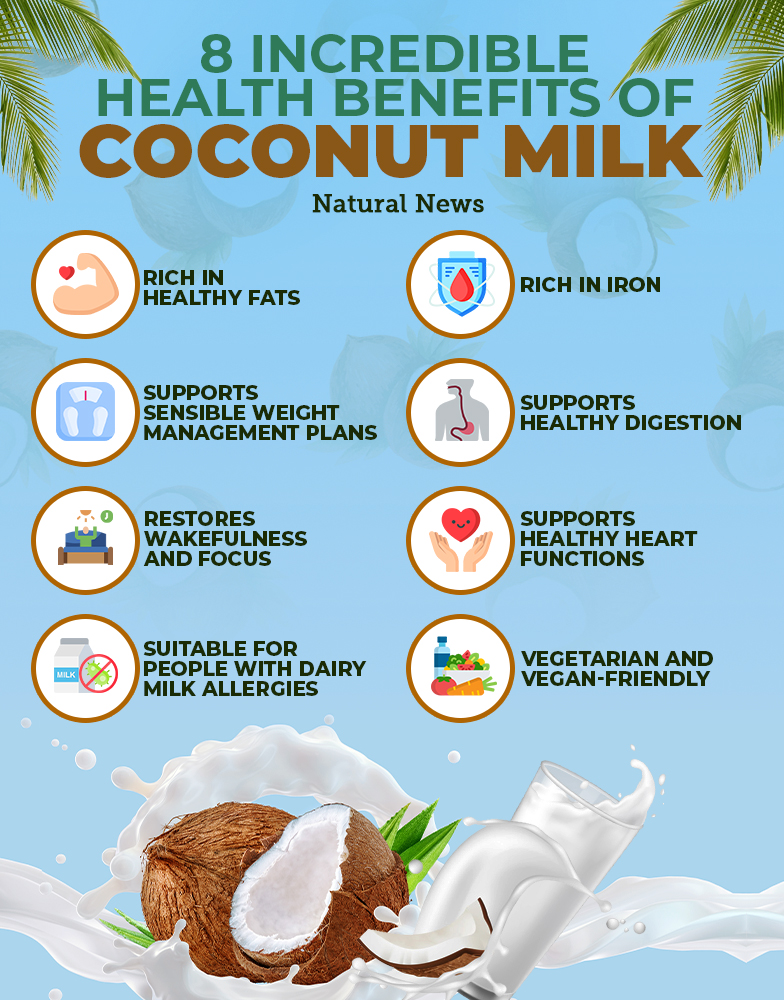
Unlike cow’s milk or other dairy products that are high in saturated fat and cholesterol, coconut milk consists mostly of healthy fats called medium-chain triglycerides (MCTs). MCTs are easily absorbed by the body for quick energy production rather than being stored as fat cells. This makes coconut milk an ideal choice for those looking to maintain a healthy weight or manage their weight loss goals.
In addition to providing energy through MCTs, coconut milk also contains lauric acid. Lauric acid possesses antiviral properties that can help boost immunity against various infections caused by viruses like influenza or herpes simplex virus types 1 and 2 (HSV-1 & HSV-2). Including coconut milk in your diet may provide an extra layer of defense during cold and flu seasons.
Furthermore, research suggests that consuming coconut milk regularly may have positive effects on heart health. The MCTs present in this plant-based beverage have been shown to increase levels of good cholesterol (HDL) while reducing bad cholesterol (LDL). High LDL levels are often associated with an increased risk of cardiovascular diseases such as heart attacks and strokes.
Moreover, the antioxidants found in coconut milk can aid in neutralizing harmful free radicals within our bodies. Free radicals are unstable molecules that can damage cells over time, leading to various health issues. By consuming coconut milk regularly, you can help reduce oxidative stress and potentially lower the risk of chronic diseases such as cancer and neurodegenerative disorders.
Coconut milk is also a great option for individuals with lactose intolerance or dairy allergies. Lactose intolerance is a common condition where the body lacks sufficient enzymes to break down lactose, the sugar found in dairy products. This often leads to digestive discomfort like bloating, gas, or diarrhea after consuming milk-based products. Coconut milk provides an excellent alternative that is free from lactose and has a naturally sweet taste.
Additionally, coconut milk contains certain compounds that have been shown to possess antimicrobial properties. Lauric acid, present in high amounts within coconut milk, exhibits potent antibacterial activity against harmful bacteria such as Staphylococcus aureus and Streptococcus mutans – known contributors to oral infections and dental cavities.
Including coconut milk in your diet could also benefit your skin and hair health due to its rich vitamin E content. Vitamin E acts as a potent antioxidant that helps protect the skin from damage caused by UV radiation and environmental pollutants. It also promotes healthy hair growth by nourishing the scalp and strengthening hair follicles.
While there are numerous benefits of incorporating coconut milk into your diet, it’s essential to consume it in moderation due to its high calorie content. One cup of canned coconut milk contains approximately 445 calories compared to around 150 calories in one cup of whole cow’s milk. Therefore, it’s crucial not to overindulge in this creamy beverage if you’re watching your calorie intake or trying to lose weight.
In conclusion, coconut milk offers a variety of health benefits ranging from providing quick energy through MCTs and boosting immunity with lauric acid to promoting heart health through cholesterol regulation. Its antioxidants may help reduce the risk of chronic diseases like cancer while providing relief for those with lactose intolerance or dairy allergies. However, it’s important to consume coconut milk in moderation due to its high calorie content. So go ahead and enjoy the numerous advantages of this versatile and delicious plant-based alternative to traditional dairy milk!

Leave a Reply