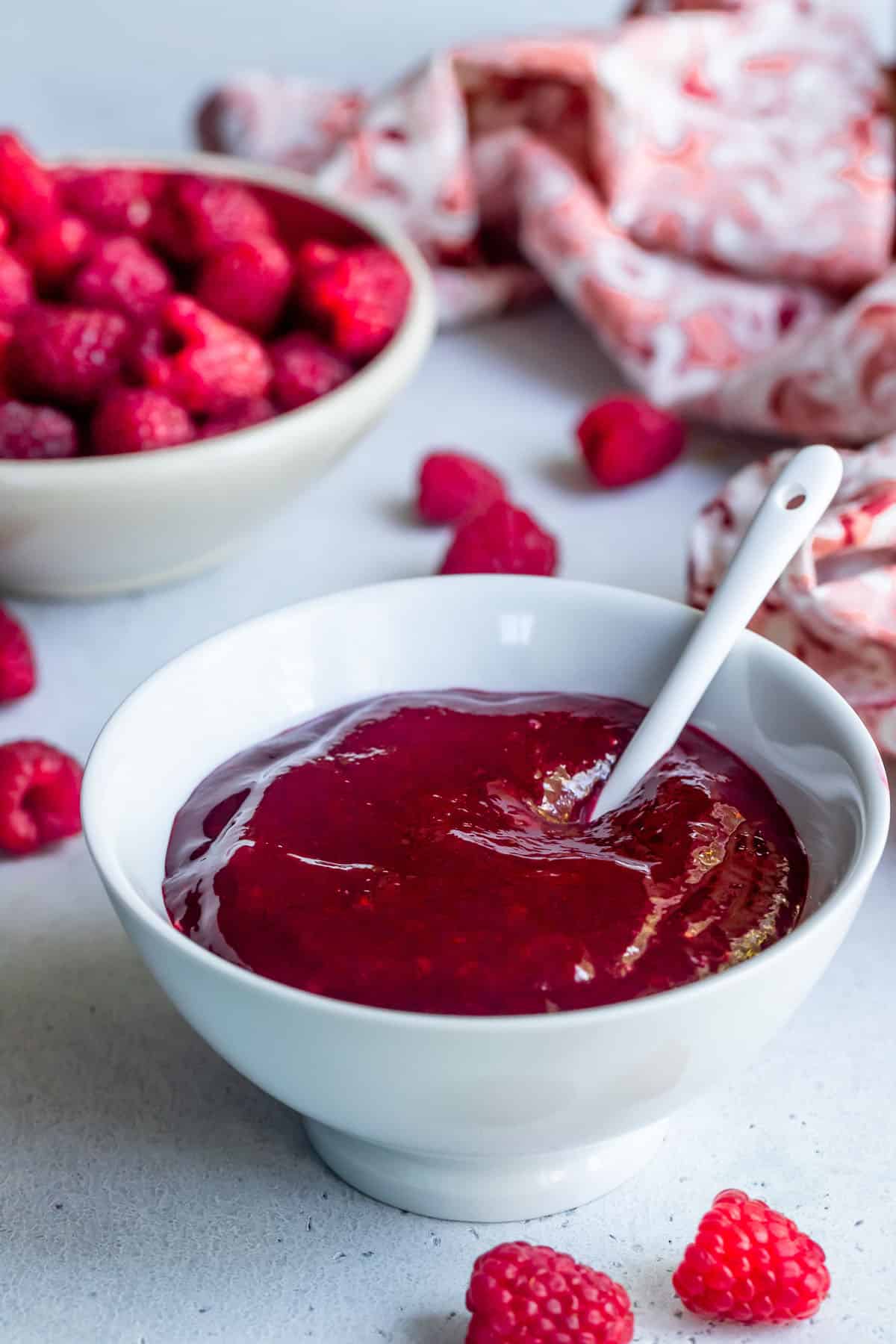
Raspberry Sauce: A Delicious and Nutritious Addition to Your Diet
When it comes to healthy eating, finding ways to incorporate fruits into your meals and snacks is always a great idea. One versatile fruit that deserves more attention is the raspberry. Bursting with flavor and packed with nutrients, raspberries can be transformed into a delightful sauce that can enhance both sweet and savory dishes. In this case study, we will explore the benefits of raspberry sauce, its various uses in cooking, and how you can easily make it at home.
Firstly, let’s highlight the nutritional profile of raspberries. These tiny berries are an excellent source of vitamins C and K, fiber, antioxidants, and minerals like manganese. They also contain phytochemicals such as anthocyanins which give them their vibrant red color. Including raspberries or raspberry sauce in your diet can help support a healthy immune system, promote heart health, aid digestion due to their high fiber content, and even contribute to weight management.
One of the best things about raspberry sauce is its versatility in culinary applications. For those with a sweet tooth or looking for healthier dessert options, drizzle it over pancakes or waffles instead of sugary syrups. You can also use it as a topping for yogurt parfaits or ice cream sundaes for an added burst of flavor without excessive calories or added sugars.
But don’t limit yourself to just desserts! Raspberry sauce adds complexity when used in savory dishes too. It makes an excellent glaze for roasted meats like chicken or pork tenderloin by balancing out their richness with its natural acidity. If you’re feeling adventurous in the kitchen, try adding some chili flakes to create a spicy-sweet marinade for grilled shrimp skewers.
Now that we’ve discussed the benefits and potential uses of raspberry sauce let’s dive into how easy it is to make at home using fresh or frozen raspberries. To start off, gather one pound of raspberries, a tablespoon of lemon juice, and a sweetener of your choice (optional). Combine all the ingredients in a saucepan over medium heat. As the raspberries break down, use a fork or spoon to help mash them further until you achieve your desired texture. Let it simmer for about 10 minutes while stirring occasionally to prevent burning. Once done, remove from heat and allow it to cool before transferring it into an airtight jar or container.
Remember that raspberry sauce can be easily customized according to personal preferences. If you prefer a smoother consistency, strain the sauce through a sieve after cooking. For those who enjoy some added sweetness, feel free to add honey or maple syrup during the cooking process.
In conclusion, including raspberry sauce in your diet is both beneficial and delicious. Whether you choose to use it as a topping for desserts or as an ingredient in savory dishes, this versatile sauce adds flavor while providing essential nutrients. By making your own raspberry sauce at home, you have full control over its ingredients and can avoid unnecessary sugars found in store-bought alternatives. So go ahead and experiment with this delightful fruit sauce – your taste buds and body will thank you!

Leave a Reply