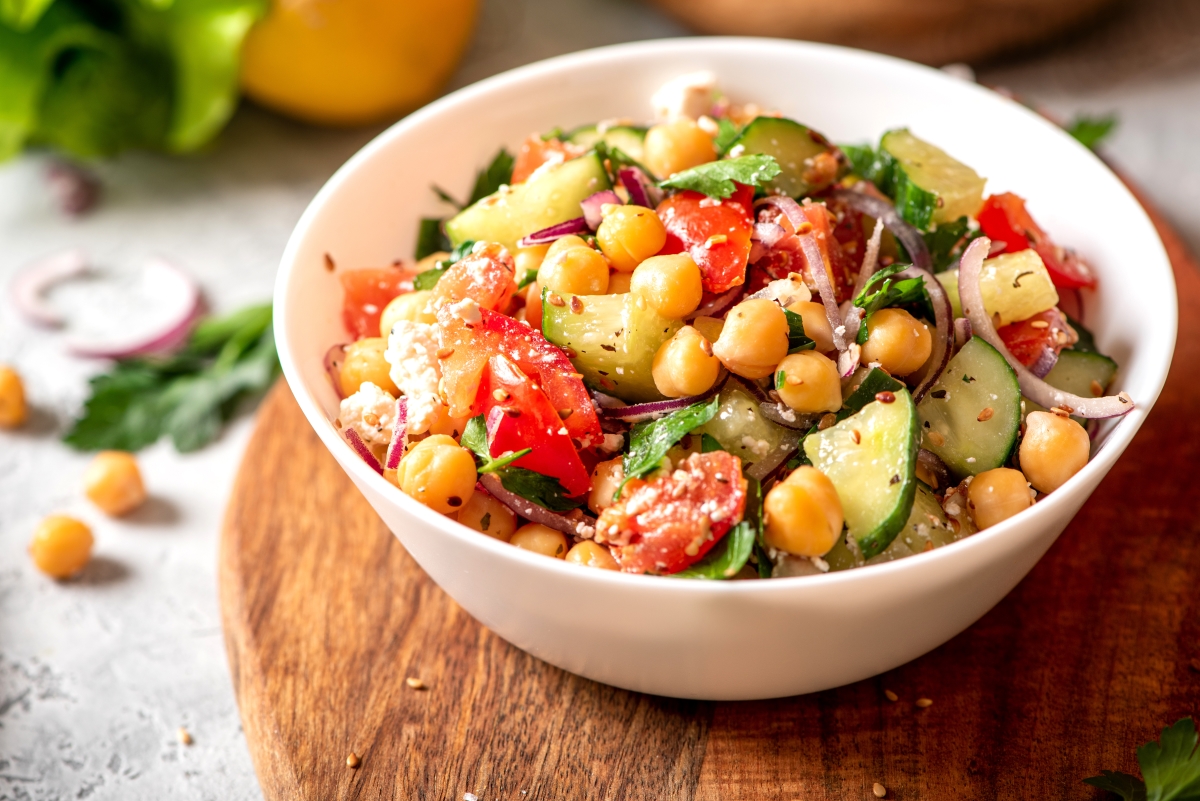
The Mediterranean Diet: A Delicious and Healthy Lifestyle
When it comes to healthy eating, the Mediterranean diet is often hailed as one of the best. Its emphasis on fresh fruits and vegetables, whole grains, lean proteins, and heart-healthy fats has been linked to numerous health benefits. Let’s take a closer look at what makes this diet so special.
Originating from the countries bordering the Mediterranean Sea, including Greece, Italy, Spain, and Morocco, the Mediterranean diet is centered around traditional foods that have been enjoyed for centuries. It is not just a diet but a way of life that promotes balance and moderation in food choices.
At its core, the Mediterranean diet encourages an abundance of plant-based foods such as fruits and vegetables. These provide essential vitamins, minerals, antioxidants, and dietary fiber that promote good health. Whole grains like brown rice and quinoa are also staples in this diet due to their high nutrient content.
Olive oil is another key component of the Mediterranean diet. It replaces unhealthy saturated fats with monounsaturated fats which have been shown to lower bad cholesterol levels while increasing good cholesterol levels. This healthy fat source can be used in cooking or drizzled over salads for added flavor.
Lean proteins play an important role in this diet as well. Fish such as salmon or sardines are rich in omega-3 fatty acids which support brain function and reduce inflammation. Poultry like chicken or turkey is also consumed in moderation along with eggs. Red meat consumption is limited but not eliminated entirely.
One unique aspect of the Mediterranean lifestyle is its inclusion of dairy products like Greek yogurt and cheese. These provide calcium for strong bones and probiotics for gut health when consumed in moderate amounts.
To add flavor to dishes without relying heavily on salt or processed condiments, herbs and spices are used generously in Mediterranean cuisine. Basil, oregano, rosemary, thyme – these aromatic additions bring out natural flavors while providing additional health benefits.
The Mediterranean diet also encourages regular physical activity, such as walking or cycling. This combination of nutritious eating and staying active contributes to a lower risk of chronic diseases like heart disease, diabetes, and certain cancers.
Asian Cuisine: A Fusion of Flavors and Health
From the vibrant street food stalls of Thailand to the delicate sushi rolls in Japan, Asian cuisine is known for its unique flavors and emphasis on fresh ingredients. But beyond being delicious, many Asian dishes are also packed with nutrients and offer various health benefits.
One hallmark of Asian cooking is its reliance on vegetables. Many traditional dishes feature an abundance of colorful veggies like bok choy, snow peas, mushrooms, and bell peppers. These provide essential vitamins and minerals while adding fiber to the diet.
Rice is a staple in many Asian countries and offers a great source of energy through complex carbohydrates. Brown rice is particularly beneficial due to its higher fiber content compared to white rice.
Seafood plays a significant role in Asian cuisine as well. Fish like salmon, tuna, shrimp, or mackerel are rich in omega-3 fatty acids which have been shown to reduce inflammation and support heart health. Additionally, seaweed commonly used in Japanese cuisine is packed with important minerals like iodine.
Tofu and tempeh are popular sources of plant-based protein in Asia. These soybean products are not only versatile but also offer a healthy alternative to meat by providing essential amino acids without the saturated fat or cholesterol found in animal products.
Herbs and spices also take center stage in Asian cooking. Ginger has anti-inflammatory properties while turmeric contains curcumin – a powerful antioxidant that may help reduce the risk of chronic diseases such as cancer or Alzheimer’s disease.
Traditional condiments such as soy sauce or miso paste can be high in sodium so it’s important to use them sparingly or opt for reduced-sodium versions when possible.
Overall, consuming a variety of Asian dishes can provide a balanced and nutritious diet. However, it’s essential to be mindful of portion sizes and cooking methods as some traditional preparations may involve deep-frying or excessive use of oils.
Mexican Dishes: Spices, Colors, and Nutrients
Mexican cuisine is beloved worldwide for its bold flavors, vibrant colors, and diverse ingredients. From tacos to enchiladas, Mexican dishes offer a unique blend of spices and nutrients that make them both delicious and healthy when prepared thoughtfully.
One key aspect of Mexican cuisine is the generous use of herbs and spices. Cumin, chili powder, oregano, cilantro – these aromatic additions not only enhance the taste but also provide various health benefits. For example, chili peppers contain capsaicin which has been linked to pain relief and weight management.
Beans are another staple in Mexican cooking. Whether it’s black beans or pinto beans, they are an excellent source of plant-based protein, dietary fiber, vitamins (such as folate), minerals (like iron), and antioxidants. Combined with whole grains like corn tortillas or brown rice, they create a complete protein source that supports muscle growth and repair.
Avocado is widely used in Mexican cuisine as well due to its creamy texture and healthy fats content. This fruit provides monounsaturated fats that contribute to heart health while also being rich in fiber.
Tomatoes are essential ingredients in many Mexican salsas or sauces such as salsa verde or pico de gallo. They are packed with lycopene – an antioxidant known for its cancer-fighting properties.
Traditional Mexican dishes often include lean proteins like grilled chicken or fish instead of red meat which tends to be higher in saturated fat. By choosing lean cuts or opting for vegetarian options like roasted vegetables or tofu fillings in tacos,
Italian Recipes: Simplicity at Its Finest
Italian cuisine is famous around the world for its simplicity yet rich flavors. From pasta to pizza, Italian recipes often feature fresh ingredients and straightforward cooking techniques that allow the natural flavors to shine through.
At the heart of Italian cuisine is the use of quality ingredients. Fresh fruits and vegetables are abundant in traditional dishes, providing essential vitamins, minerals, and dietary fiber. Tomatoes, garlic, onions, eggplant – these staples are used generously in sauces or as toppings for bruschetta.
Olive oil is a cornerstone of Italian cooking. Its monounsaturated fats have been linked to numerous health benefits such as reducing inflammation and improving heart health. Extra virgin olive oil is particularly prized for its high antioxidant content.
Whole grains like pasta or bread made from durum wheat feature prominently in Italian meals. Unlike refined grains which have had their bran and germ removed, whole grains provide more fiber and nutrients while promoting feelings of fullness.
Fish and seafood play an important role in coastal regions like Sicily or Naples where grilled octopus or seafood risotto are popular choices. These protein sources offer omega-3 fatty acids that support brain function and reduce inflammation.
Cheese lovers will find plenty to enjoy in Italian cuisine with classics like Parmigiano-Reggiano or mozzarella adding richness to many dishes. However, it’s important to consume cheese in moderation due to its higher fat content.
Fresh herbs like basil or oregano add depth of flavor without relying on excessive salt or processed condiments. They also provide additional antioxidants that promote good health.
When it comes to desserts, Italians are known for their gelato – a creamy frozen treat made with real fruit and low-fat milk compared to ice cream which contains more cream and sugar. This indulgence can be enjoyed occasionally as part of a balanced diet.
Middle Eastern Flavors: A Feast for the Senses
Middle Eastern cuisine encompasses a wide range of flavors from countries such as Lebanon, Israel,
Iran,
Syria,
and Saudi Arabia.
This region’s cuisine is known for its use of spices, herbs, and aromatic ingredients that create a feast for the senses.
One staple ingredient in Middle Eastern cooking is olive oil, which is used for sautéing, frying, and dressing salads. It provides heart-healthy monounsaturated fats that have been linked to reducing inflammation and improving cholesterol levels.
Fresh fruits and vegetables are also abundant in Middle Eastern dishes. Hummus made from chickpeas provides protein and dietary fiber while tabbouleh salad offers a refreshing mix of chopped parsley, tomatoes, bulgur wheat, lemon juice, and olive oil. These dishes provide essential nutrients while being low in saturated fat and calories.
Herbs like mint or cilantro add freshness to many Middle Eastern recipes. Mint tea is a popular beverage enjoyed throughout the region due to its soothing properties on digestion.
The use of legumes such as lentils or beans is common in Middle Eastern cuisine. They are packed with plant-based proteins, dietary fiber,
and minerals like iron
that support overall health.
Nuts like almonds or pistachios are frequently used as garnishes or incorporated into dishes adding healthy fats,
vitamins,
and minerals.
Tahini made from sesame seeds offers additional nutrients such as calcium
and magnesium when used as a condiment or base for dips like baba ganoush.
Lean proteins like chicken or lamb play an important role in traditional Middle Eastern dishes but are often consumed in moderation compared to the abundance of plant-based foods.
Flatbreads such as pita bread are staples that accompany many meals providing carbohydrates while being lower in calories compared to other types of bread. It can be filled with falafel – deep-fried balls made from ground chickpeas – along with fresh vegetables and tahini sauce creating a balanced meal option.
Overall,
Middle Eastern flavors offer a wide range of delicious options that bring together wholesome ingredients with vibrant spices.
By incorporating more of these dishes into your diet,
you can enjoy a healthy and varied culinary experience.
African-Inspired Meals: A Celebration of Diversity
Africa is a vast continent with diverse cultures and cuisines that reflect its rich history. From North African tagines to West African jollof rice, African-inspired meals are known for their bold flavors, unique ingredients, and nutritious qualities.
One common thread in many African cuisines is the use of grains such as millet, sorghum, or maize. These nutrient-dense staples provide carbohydrates for energy along with essential vitamins like niacin and minerals like iron.
Leafy greens like spinach or collard greens are widely consumed across Africa. They offer an array of vitamins (such as vitamin K), minerals (like calcium), and antioxidants that contribute to overall health when incorporated into meals.
Legumes like black-eyed peas or lentils are another crucial component of African cuisine. They provide plant-based protein along with dietary fiber that supports digestion and helps maintain a healthy weight.
Palm oil is frequently used in West African cooking due to its distinct flavor profile and nutritional benefits. It contains heart-healthy fats as well as vitamin E which acts as an antioxidant protecting cells from damage caused by free radicals.
Herbs and spices play a vital role in enhancing the flavors of African dishes. Scotch bonnet peppers add heat while ginger provides warmth – both stimulating the taste buds while also offering potential anti-inflammatory properties.
Traditional methods of cooking such as slow simmering or stewing are often employed resulting in tender meats infused with aromatic spices alongside vegetables creating flavorful one-pot wonders bursting with nutrients.
Fruits like mangoes, pineapples, or passion fruit are popular across Africa due to their natural sweetness along with providing important vitamins (such as vitamin C) and minerals (like potassium).
While meat consumption varies throughout Africa depending on culture and availability,
many traditional dishes feature lean proteins such as grilled chicken or fish
which can provide essential amino acids for muscle growth and repair.
African-inspired cuisine offers a diverse range of flavors,
ingredients,
and cooking techniques that celebrate the continent’s culinary heritage.
By incorporating these dishes into your diet,
you can explore new tastes while enjoying the health benefits offered by this vibrant cuisine.
South American Cooking: A Fusion of Flavors
South American cooking is as diverse as the continent itself, with each country showcasing unique culinary traditions. From Argentina’s famous steaks to Peru’s ceviche, South American cuisine is known for its fusion of flavors and creative use of local ingredients.
One staple in South American cooking is corn. It provides carbohydrates along with dietary fiber that aids digestion and helps maintain healthy blood sugar levels. Corn can be transformed into various dishes like arepas (corn cakes) or tamales (steamed corn dough filled with meat or vegetables).
Potatoes also play a significant role in many South American cuisines, particularly in countries like Peru or Bolivia. They offer complex carbohydrates along with vitamins (such as vitamin C) and minerals (like potassium). Traditional dishes like causa – mashed potatoes layered with avocado, chicken, or seafood – showcase the versatility of this root vegetable.
Beans are another common ingredient throughout South America. Black beans, pinto beans, or lentils provide plant-based protein along with dietary fiber that supports gut health and helps manage weight. These legumes are often used in stews or side dishes alongside rice forming a complete protein source when combined together.
Quinoa has gained popularity worldwide due to its high nutrient content and versatility in recipes. Originating from the Andean region,
quinoa is considered a superfood providing complete proteins
as well as essential amino acids
that support overall health.
Lean proteins such as beef, chicken, pork, or fish are commonly consumed across South America but portion sizes tend to be smaller compared to other parts of the world. Grilling or roasting these proteins with herbs and spices enhances their flavors without adding excessive fats.
Herbs like cilantro, parsley,
or oregano add freshness to many South American dishes.
They also offer additional vitamins
and minerals along with potential antioxidant properties.
Fruits like mangoes, papayas, or passion fruit are abundant in countries such as Brazil or Colombia. They provide natural sweetness along with essential vitamins (such as vitamin A) and antioxidants that promote good health.
South American cuisine is also famous for its vibrant sauces and condiments. Chimichurri – a blend of fresh herbs, garlic, vinegar, and oil – adds zing to grilled meats while salsa criolla – made from tomatoes, onions, lime juice, and chili peppers – is a popular accompaniment to many dishes.
The diversity of South American cooking offers an array of delicious options that highlight the region’s cultural heritage while providing important nutrients. By exploring these cuisines,
you can discover new flavors while enjoying the health benefits offered by this culinary fusion.
Nordic Cuisine: Simple Yet Satisfying
Nordic cuisine may not be as widely known as some other international cuisines but it has gained popularity in recent years due to its emphasis on simple yet high-quality ingredients. From Denmark’s smørrebrød to Sweden’s gravlax,
Nordic cuisine showcases the region’s commitment to using local produce in creative ways that are both delicious and nutritious.
One key component of Nordic cooking is seafood.
With access to the Baltic Sea,
Atlantic Ocean,
and numerous lakes,
it comes as no surprise that fish plays a central role in Nordic diets.
Fatty fish like salmon or herring are rich sources of omega-3 fatty acids
that support heart health
as well as brain function.
These healthy fats have been linked to reducing inflammation
and improving cognitive function.
Berries are another essential part of Nordic cuisine.
Whether it’s lingonberries,
cloudberries, blueberries,
or raspberries,
these fruits are packed with antioxidants
that protect cells from damage caused by free radicals.
Berries are often enjoyed fresh or used in jams and desserts.
Root vegetables like potatoes,
carrots, beets,
and turnips thrive in the Nordic climate
and are commonly used in traditional dishes.
They provide carbohydrates along with essential vitamins
and minerals that support overall health.
Rye bread is a ubiquitous staple in Nordic countries.
This dense and hearty bread is rich in fiber
which aids digestion
and helps maintain healthy blood sugar levels.

Leave a Reply