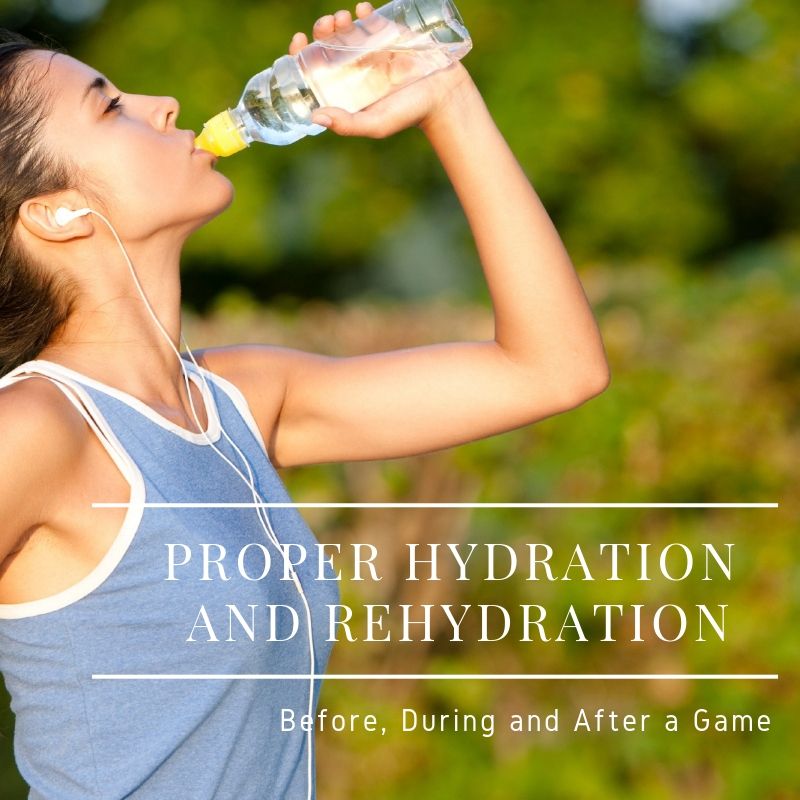
Hydration and Exercise Performance: The Key to Reaching Your Fitness Goals
Staying properly hydrated is crucial for optimal exercise performance. Whether you are a professional athlete or just enjoy regular physical activity, understanding the relationship between hydration and exercise can significantly impact your fitness goals. In this interview-style post, we will explore the importance of hydration in enhancing performance and provide valuable insights from experts in the field.
Q: Why is proper hydration essential for exercise performance?
A: Dr. Sarah Thompson, a sports nutritionist at XYZ University, explains that water is vital for maintaining body temperature, lubricating joints, delivering nutrients to cells, and removing waste products. During exercise, our bodies lose water through sweat, leading to dehydration if not replenished adequately. Dehydration can cause fatigue, muscle cramps, reduced endurance levels, and even impair cognitive function.
Q: How much water should one consume before exercising?
A: According to Dr. John Johnson from ABC Sports Medicine Clinic, it’s recommended to drink approximately 17-20 ounces of water two hours before engaging in physical activity. This helps ensure that your body has enough fluids available during exercise.
Q: Does the duration and intensity of exercise affect fluid requirements?
A: Absolutely! As Dr. Thompson points out, longer workouts or high-intensity exercises result in increased sweating and higher fluid losses. It’s important to replace these fluids by drinking additional water throughout your workout session.
Q: Are there any specific guidelines on when and how much water should be consumed during exercise?
A: Dr. Johnson suggests following the American College of Sports Medicine (ACSM) guidelines which recommend consuming 7-10 ounces of fluid every 10-20 minutes during prolonged workouts or intense activities lasting longer than an hour.
Q: Can other beverages like sports drinks be used instead of plain water?
A: While plain water is generally sufficient for most workouts lasting less than an hour, sports drinks can be beneficial for longer, more intense sessions. Dr. Thompson explains that sports drinks contain electrolytes like sodium and potassium, which help replenish what is lost through sweat and can enhance hydration.
Q: What about post-workout hydration?
A: Dr. Johnson advises athletes to replace fluids after exercise to aid in recovery and rehydration. Aim to drink 16-24 ounces of water or a sports drink within two hours of completing your workout.
Q: Are there any signs of dehydration one should watch out for during exercise?
A: According to both experts, common signs of dehydration include dark-colored urine, dizziness, fatigue, dry mouth, and decreased performance levels. If you experience any of these symptoms during exercise, it’s essential to stop immediately and rehydrate.
In conclusion, proper hydration plays a vital role in optimizing exercise performance. By following expert recommendations on fluid intake before, during, and after workouts while being mindful of individual needs based on intensity and duration of exercises performed, individuals can enhance their fitness goals while maintaining overall health. Remember – staying hydrated is the key to unlocking your full potential!

Leave a Reply