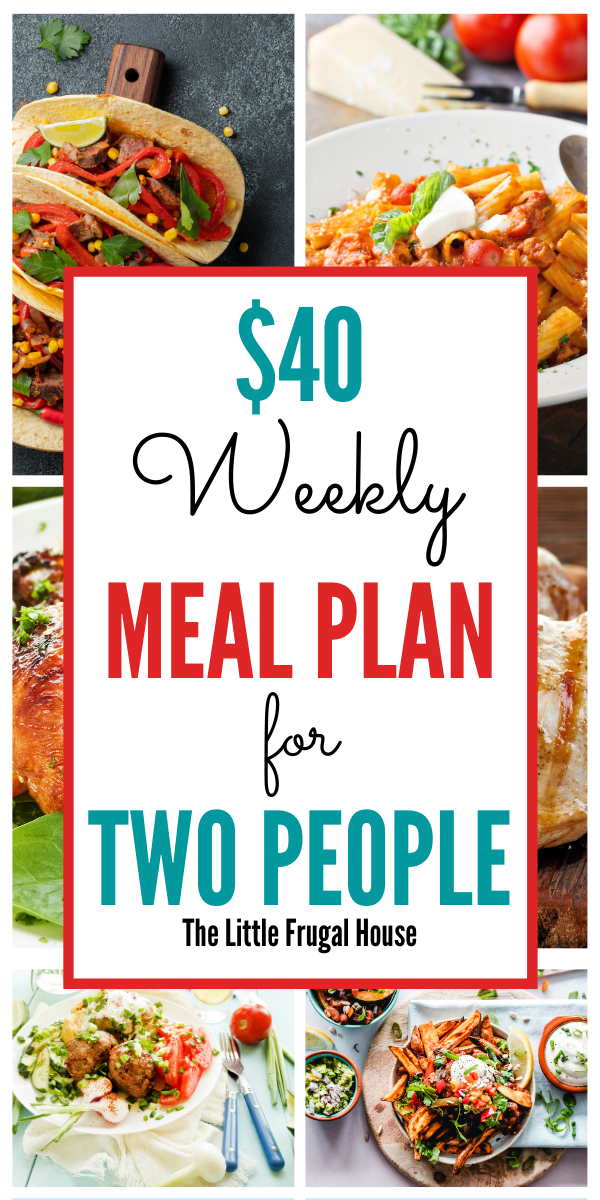
Meal Planning on a Tight Budget: How to Eat Healthy and Save Money
In today’s fast-paced world, it can be challenging to find the time and money to eat healthy. But with careful planning and a little creativity, it is possible to nourish your body while sticking to a tight budget. Meal planning is a fantastic strategy that not only saves you money but also ensures that you make healthier choices.
Here are some tips and tricks for meal planning on a tight budget:
1. Set a Realistic Budget:
The first step in meal planning on a tight budget is determining how much you can spend on groceries each week or month. Consider your income, expenses, and financial goals when setting this amount. Having a clear budget will help guide your shopping decisions and prevent overspending.
2. Plan Your Meals in Advance:
Once you have set your budget, take the time to plan your meals for the upcoming week or month. Look for recipes that use inexpensive ingredients such as beans, lentils, rice, pasta, seasonal fruits, and vegetables. Aim for variety by choosing recipes from different cuisines or incorporating different protein sources like eggs or tofu.
3. Make a Grocery List:
With your meals planned out, create a detailed grocery list before heading to the store. Stick to what you need rather than buying items impulsively – this will help reduce food waste and keep costs down.
4. Shop Smartly:
When grocery shopping on a tight budget, consider these strategies:
a) Buy in Bulk: Purchasing staple items like grains (rice, oats), legumes (beans), or spices in bulk can save money over time.
b) Check Unit Prices: Compare prices per unit (ounce or pound) instead of relying solely on overall cost labels.
c) Buy Seasonal Produce: Choose fruits and vegetables that are in season as they tend to be more affordable.
d) Utilize Frozen Foods: Frozen fruits and vegetables are just as nutritious as fresh ones and often cost less. They also have a longer shelf life, reducing the chances of spoilage.
e) Avoid Pre-Packaged Convenience Foods: These products may be convenient but can quickly eat into your budget. Instead, opt for whole foods that you can prepare yourself.
5. Cook in Bulk:
Another great way to save money is by cooking in bulk. Prepare larger quantities of recipes and portion them out for several meals throughout the week or freeze them for later use. This approach not only saves time but also ensures that you always have a healthy meal on hand when needed.
6. Embrace Meatless Meals:
Meat can be one of the costliest items on your grocery list. Consider incorporating more vegetarian or vegan meals into your plan to cut costs without sacrificing nutrition. Experiment with plant-based proteins like tofu, lentils, chickpeas, or black beans – they are not only affordable but also packed with nutrients.
7. Minimize Food Waste:
Reducing food waste is crucial when meal planning on a tight budget. To avoid throwing away unused ingredients, repurpose leftovers creatively or incorporate them into future meals. Get creative with vegetable scraps too – make homemade vegetable broth or blend them into sauces and soups.
8. Grow Your Own Food:
If you have space available, consider starting a small garden at home to grow herbs, fruits, and vegetables that you frequently use in your cooking. Not only will this save money in the long run, but it will also give you access to fresh produce right at your doorstep.
9. Take Advantage of Sales and Coupons:
Keep an eye out for sales and discounts at local grocery stores and supermarkets – these are excellent opportunities to stock up on non-perishable items like canned goods or pantry staples when they’re priced lower than usual.
10: Be Flexible:
Finally, remember that flexibility is key when working within a tight budget while meal planning. Adjust your meals based on what’s on sale or available at a lower price. Don’t be afraid to substitute ingredients with cheaper alternatives or modify recipes to fit your budget.
Meal planning on a tight budget may require extra effort and creativity, but it is entirely possible to eat healthy and save money at the same time. By setting a realistic budget, planning ahead, shopping smartly, cooking in bulk, minimizing waste, and being flexible, you can make nutritious meals without breaking the bank. Remember that every small step towards healthier eating counts and that your efforts will pay off in the long run – both for your health and your wallet.

Leave a Reply