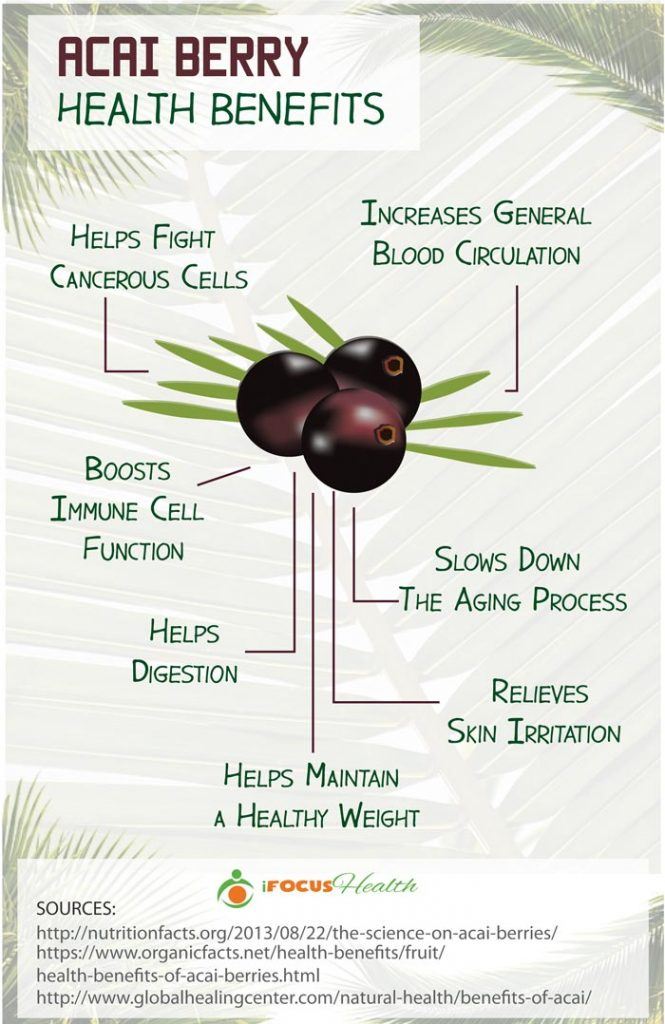
Welcome to our panel discussion on the topic of Acai and its potential benefits for heart health. Today, we have gathered a team of experts to dive deep into this superfood and explore its impact on cardiovascular wellness. Joining us today are Dr. Sarah Johnson, a cardiologist specializing in preventive medicine, nutritionist Lisa Thompson, and fitness expert Mark Davis.
Moderator: Let’s start by discussing what makes Acai such a popular choice when it comes to heart health. Dr. Johnson, could you give us an overview?
Dr. Johnson: Certainly! Acai berries are rich in antioxidants called anthocyanins that help fight oxidative stress and inflammation in the body—both of which play significant roles in the development of heart disease. These antioxidants may also improve blood flow and help maintain healthy cholesterol levels.
Lisa Thompson: I agree with Dr. Johnson’s point about antioxidants being crucial for heart health. Additionally, Acai is high in fiber which can aid in reducing bad cholesterol levels while promoting satiety and weight management—a vital aspect considering obesity is closely linked to cardiovascular issues.
Mark Davis: Absolutely! And let’s not forget that Acai is also packed with essential fatty acids like omega-3s that support overall heart function and reduce inflammation throughout the body.
Moderator: That leads us nicely into our next question—how can incorporating Acai into one’s diet promote heart health? Lisa?
Lisa Thompson: Including fresh or frozen Acai berries or puree into smoothies or bowls is an excellent way to enjoy this fruit regularly without any added sugars or preservatives present in some commercial products. You can also sprinkle dried powdered forms onto oatmeal or yogurt for an extra boost of nutrients.
Dr. Johnson: Adding whole foods like Acai as part of a well-balanced diet may contribute to improving overall heart health by reducing oxidative stress markers, LDL (bad) cholesterol levels, and enhancing endothelial function—the inner lining of blood vessels.
Mark Davis: I completely agree. Acai’s nutrient density can provide energy for physical activity, which is crucial for maintaining a healthy weight and reducing the risk of heart disease. It also supports muscle recovery post-workout due to its high antioxidant content.
Moderator: Many people turn to supplements for convenience. Are Acai supplements as effective as consuming the whole fruit?
Dr. Johnson: While Acai supplements may contain certain beneficial compounds, they lack the fiber found in the whole fruit. Fiber plays a significant role in cardiovascular health by helping manage cholesterol levels and promoting gut health, so it’s always better to consume Acai through natural sources whenever possible.
Lisa Thompson: Additionally, some studies have shown that nutrients obtained from whole foods are often more easily absorbed and utilized by our bodies compared to those from isolated supplements. So, it’s best to focus on incorporating a variety of nutrient-dense whole foods into your diet rather than relying solely on supplements.
Moderator: That’s great advice! Now let’s talk about any potential side effects or interactions with medications that individuals should be aware of when consuming Acai regularly.
Dr. Johnson: Generally speaking, Acai is safe for most people when consumed in moderation as part of a balanced diet. However, since Acai has anticoagulant properties similar to aspirin, individuals taking blood-thinning medications should consult their doctors before significantly increasing their intake.
Lisa Thompson: It’s worth mentioning that while rare, some individuals may experience mild gastrointestinal discomfort or allergic reactions when consuming Acai berries or products made from them. If you have any known allergies or sensitivities, exercise caution and start with small amounts before gradually increasing consumption.
Mark Davis: And don’t forget that portion control is essential too! Although Acai is highly nutritious, it still contains calories like any other food item—it’s important not to overdo it if you’re watching your calorie intake.
Moderator: Thank you all for your valuable insights! Before we wrap up, do any of you have closing thoughts?
Dr. Johnson: I believe that incorporating Acai into a heart-healthy diet can be beneficial, but it’s crucial to remember that no single food holds the key to optimal cardiovascular health. It’s always about the bigger picture—eating a varied diet rich in whole foods, exercising regularly, managing stress levels, and getting enough sleep.
Lisa Thompson: Absolutely! Acai is just one piece of the puzzle when it comes to heart health. By adopting an overall healthy lifestyle and enjoying a diverse range of fruits, vegetables, whole grains, lean proteins, and healthy fats, individuals can support their hearts in the best way possible.
Mark Davis: And let’s not forget that while nutrition plays a significant role in cardiovascular wellness, physical activity is equally important. Regular exercise combined with a balanced diet will go a long way toward maintaining good heart health.
Moderator: Well said! Thank you all for sharing your expertise on this fascinating topic. We hope our readers find this discussion helpful as they navigate their own journeys towards better heart health.

Leave a Reply