Different varieties of strawberries offer a wide range of flavors, textures, and colors to suit various palates and culinary needs. Some popular varieties include the sweet and juicy June-bearing strawberries, which are typically available in early summer. Everbearing strawberries produce fruit throughout the growing season, offering a continuous supply of berries. Alpine strawberries are smaller in size but pack an intense flavor punch.
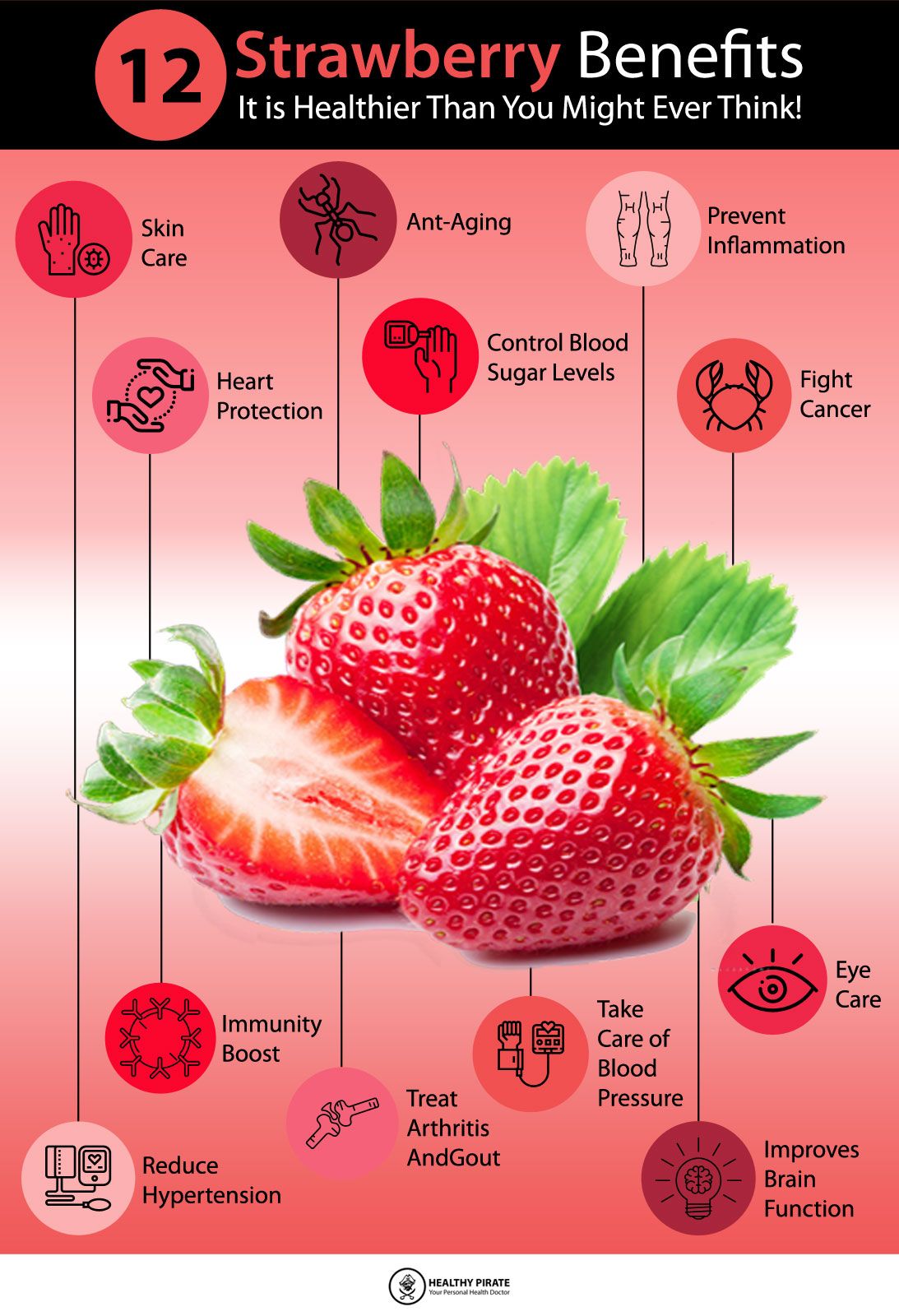
Strawberries not only taste delicious but also provide numerous health benefits. They are low in calories but high in essential vitamins, minerals, and antioxidants. A single serving of strawberries contains more vitamin C than an orange! These nutrient powerhouses also provide fiber for digestive health.
While uncommon, some individuals may experience allergies or sensitivities to strawberries. Symptoms can range from mild itching or swelling to more severe reactions like difficulty breathing or anaphylaxis. If you suspect a strawberry allergy or sensitivity, it is important to consult with a healthcare professional for proper diagnosis and guidance.
The cultivation of strawberries dates back centuries. Ancient Romans enjoyed wild strawberries while medieval Europeans began cultivating them as early as the 14th century. Today, strawberry farming has become a global industry with modern techniques ensuring year-round availability.
Strawberries aren’t just limited to sweet treats! They can be incorporated into savory dishes too. Try adding sliced fresh strawberries to salads for a burst of sweetness or using them as toppings on pizzas for added color and flavor.
For those looking to unwind with a refreshing drink, strawberry-inspired cocktails and mocktails offer delightful options. From classic strawberry daiquiris to sparkling strawberry lemonades, these beverages are perfect for any occasion.
Organic farming practices have gained popularity due to their minimal impact on the environment and potential health benefits associated with consuming organic produce. Organic farming methods prioritize soil health by avoiding synthetic chemicals like pesticides or fertilizers.
In addition to being tasty treats, strawberries offer lesser-known health benefits such as improving eye health due to their high levels of antioxidants like anthocyanins. They also contain compounds that may promote healthy skin and reduce inflammation.
Limited space? No problem! Strawberries can be grown in small spaces or containers. Vertical gardening techniques, like hanging baskets or wall-mounted planters, are ideal for growing strawberries in tight spaces.
Strawberry festivals around the world celebrate this beloved fruit. From the famous Strawberry Festival in Plant City, Florida to the Strawberry Fair in Cambridge, England, these events offer a chance to indulge in strawberry-themed delights and enjoy live entertainment.
Discovering strawberry-themed desserts from different cultures is a delightful way to explore global culinary traditions. From French strawberry tarts to Japanese strawberry shortcakes, each culture has its unique take on incorporating strawberries into their sweet treats.
Strawberries have long been used as a natural remedy for various skin conditions due to their soothing properties. They can help alleviate conditions like acne or sunburn when applied topically or consumed regularly.
The science behind strawberry flavor and aroma is fascinating. The combination of certain chemical compounds gives strawberries their distinct taste and smell. Understanding this chemistry can aid in developing artificial flavors or enhancing natural ones.
Considering environmental concerns, exploring alternative packaging materials for strawberries becomes crucial. Biodegradable options made from plant-based materials could help reduce waste and minimize the ecological impact associated with traditional packaging methods.
Regularly consuming strawberries has been linked to improved heart health due to their high levels of antioxidants and anti-inflammatory compounds. These properties may help lower blood pressure and cholesterol levels while reducing the risk of heart disease.
To prolong shelf life, proper preservation techniques should be employed. Freezing strawberries is an easy way to preserve them for later use without compromising taste or nutrient content.
Don’t discard those strawberry leaves or stems! They can be repurposed creatively in various ways such as making tea infusions, adding flavor to salads, or using them as compost material for your garden.
Strawberries are packed with antioxidants that protect the body from harmful free radicals and reduce inflammation. These compounds contribute to overall well-being and may help prevent chronic diseases.
Recent studies suggest that strawberries may have a positive impact on cognitive function. The antioxidants found in strawberries, along with their anti-inflammatory properties, may help improve memory and brain health.
Strawberry-related superstitions or folklore add an interesting cultural aspect to this beloved fruit. From beliefs about love and fertility to predictions of weather patterns, strawberries have been associated with various superstitions throughout history.
In conclusion, strawberries are not only delicious but also offer numerous health benefits. With their diverse varieties, versatile uses in culinary creations, and rich history, strawberries continue to captivate our taste buds while promoting overall well-being.

Leave a Reply