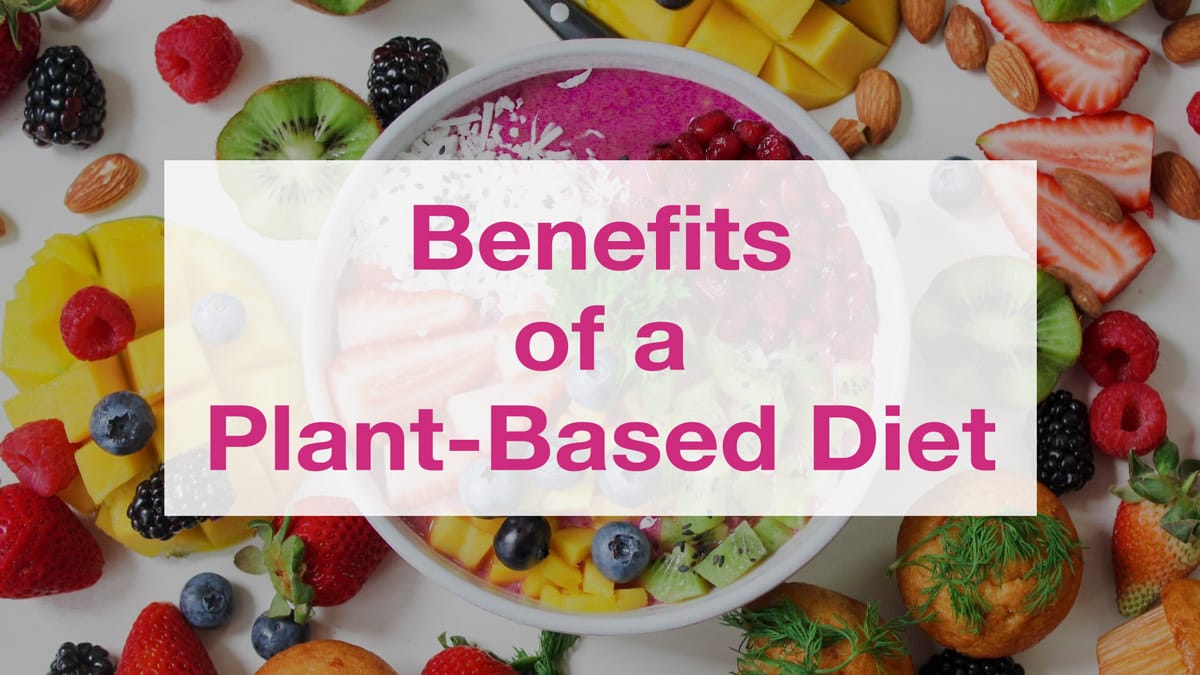
Plant-based diets have gained significant popularity in recent years, with more and more people adopting this way of eating for various reasons. Whether it is for health concerns, ethical considerations, or environmental sustainability, plant-based diets offer numerous benefits. In this article, we will explore the basics of plant-based diets, their potential health advantages, and provide tips on how to get started.
What is a Plant-Based Diet?
A plant-based diet primarily focuses on consuming foods derived from plants such as fruits, vegetables, whole grains, legumes (such as beans and lentils), nuts, and seeds. It emphasizes minimally processed foods while limiting or avoiding animal products like meat (including poultry and seafood), dairy products, eggs, and honey.
It’s important to note that plant-based diets encompass a spectrum of dietary patterns rather than being a one-size-fits-all approach. For instance:
1. Vegan Diet: Vegans exclude all animal-derived foods from their diet.
2. Vegetarian Diet: Vegetarians avoid meat but may consume other animal-derived products like dairy or eggs.
3. Flexitarian Diet: Flexitarians follow a mostly vegetarian diet but occasionally include small amounts of meat or fish.
Health Benefits of Plant-Based Diets
Adopting a well-balanced plant-based diet can provide several health benefits:
1. Reduced Risk of Chronic Diseases: Numerous studies suggest that eating more plants and fewer animal products can lower the risk of heart disease, high blood pressure, type 2 diabetes, obesity, certain cancers (such as colon cancer), and even improve overall longevity.
2. Weight Management: A plant-based diet tends to be naturally lower in calories while being rich in fiber content. This combination promotes weight loss or maintenance when accompanied by appropriate portion control.
3. Improved Digestion: The abundance of fiber in plant foods aids digestion by promoting regular bowel movements and maintaining gut health.
4. Increased Nutrient Intake: Plant-based diets are often rich in essential nutrients like vitamins (such as vitamin C, E, and folate), minerals (including potassium and magnesium), phytochemicals, and antioxidants. These can help support immune function, protect cells from damage, reduce inflammation, and promote overall well-being.
5. Healthier Cholesterol Levels: Plant-based diets typically have lower levels of saturated fat compared to animal-based diets. This helps maintain healthy cholesterol levels and reduces the risk of cardiovascular diseases.
Tips for Getting Started
Transitioning to a plant-based diet may seem overwhelming at first. Here are some tips to ease the process:
1. Take It Slow: Start by incorporating more plant-based meals into your routine gradually rather than drastically changing your entire diet overnight. Begin with one or two meatless days per week and gradually increase the frequency.
2. Experiment with New Foods: Explore different fruits, vegetables, grains, legumes, nuts, seeds and try out new recipes to keep your meals interesting and varied.
3. Focus on Whole Foods: Emphasize whole foods rather than heavily processed alternatives that may be labeled as “plant-based” but lack nutritional value.
4. Pay Attention to Nutrient Balance: Ensure you are getting a variety of nutrients by including sources of protein (such as tofu or tempeh), iron (found in leafy greens or legumes), omega-3 fatty acids (from flaxseeds or walnuts), calcium (through fortified plant milks or leafy greens) in your diet.
5. Seek Professional Guidance if Needed: If you have specific health concerns or dietary restrictions when transitioning to a plant-based diet, consulting a registered dietitian can provide personalized guidance tailored to your needs.
Conclusion
Plant-based diets offer numerous benefits for both individuals’ health and the planet’s sustainability. By focusing on whole foods derived from plants while limiting animal products intake, one can enjoy reduced risks of chronic diseases while enjoying a balanced and nutrient-rich diet. Remember, the transition to a plant-based diet should be gradual and tailored to individual preferences and needs. With time, patience, and exploration of new foods, adopting a plant-based lifestyle can be rewarding for both your health and the environment.

Leave a Reply