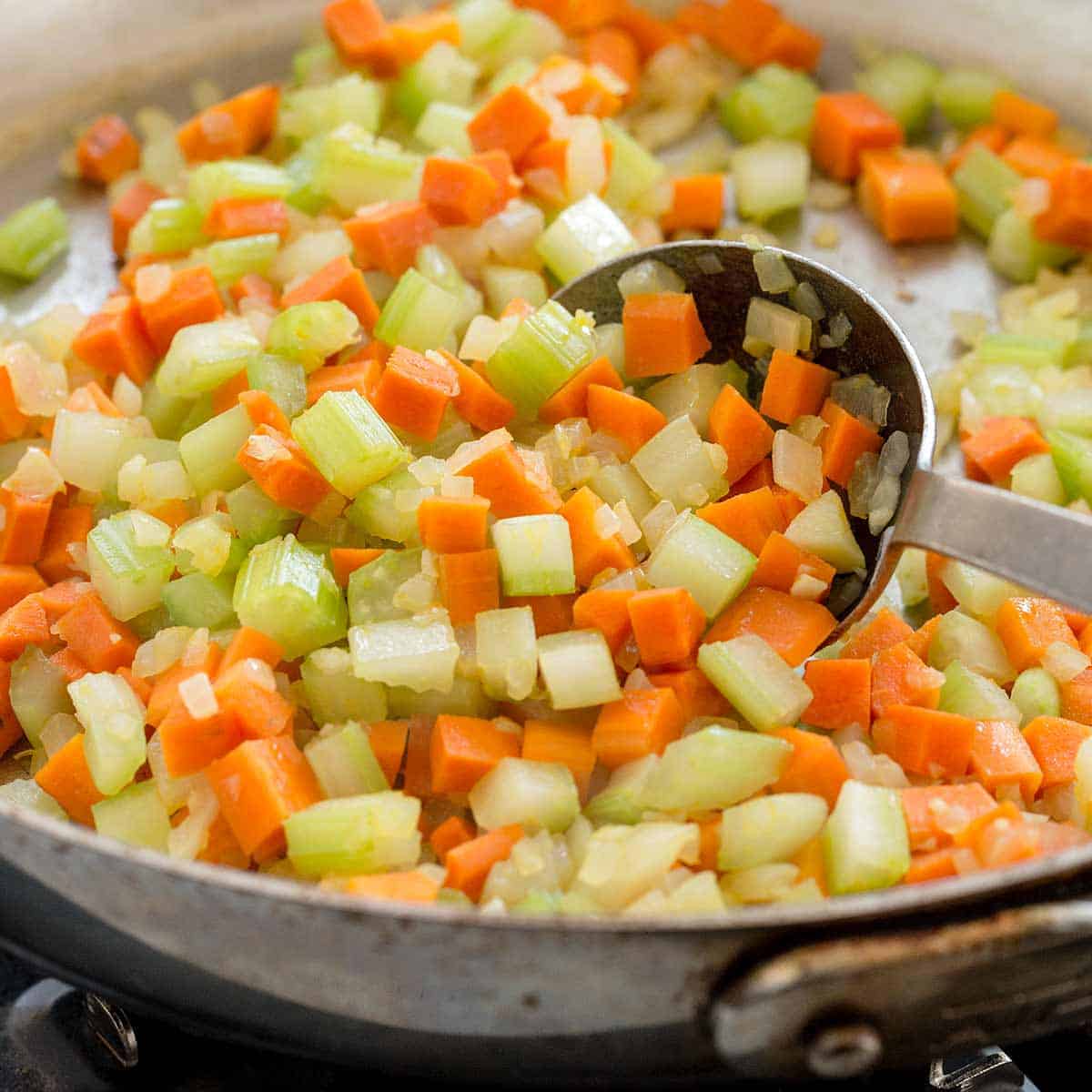
Sautéing: A Guide to Mastering the Art of Healthy Cooking
When it comes to healthy cooking techniques, sautéing is a tried and true method that delivers delicious results. Derived from the French word “sauter,” which means “to jump,” sautéing involves quickly cooking food in a small amount of oil or fat over high heat. This technique not only preserves the natural flavors and textures of ingredients but also requires minimal added fats, making it an excellent option for those who are looking to maintain a healthy diet.
To master the art of sautéing, there are several key steps and considerations that will help you achieve perfectly cooked dishes every time.
1. Choose the right equipment:
Invest in a good-quality skillet or frying pan with a wide bottom and low sides. Non-stick pans are ideal for sautéing as they require less oil, making your meals healthier overall. Additionally, using a pan with even heat distribution will ensure consistent cooking throughout.
2. Prep your ingredients:
Before you start sautéing, take some time to prep your ingredients properly. Cut vegetables into uniform pieces to ensure even cooking and consider marinating meats beforehand for enhanced flavor. It’s crucial to have all your ingredients measured out and ready by the stove since this technique relies on quick cooking times.
3. Control the heat:
Sautéing is all about high heat; however, it’s essential to find the right balance between too hot and not hot enough. Preheat your skillet over medium-high heat before adding any oil or food items. To test if it’s ready, sprinkle a few drops of water onto the surface—if they sizzle and evaporate almost instantly, you’re good to go!
4. Use suitable oils:
Choose heart-healthy oils like olive oil or avocado oil when preparing your sautéed dishes. These oils contain monounsaturated fats that can help reduce bad cholesterol levels. Avoid using oils with low smoke points, such as butter or flaxseed oil, which can burn and negatively affect the taste of your food.
5. Add ingredients in stages:
To ensure even cooking, add your ingredients in stages based on their required cooking times. Start by sautéing aromatics like onions and garlic until they become translucent and fragrant. Next, add vegetables that take longer to cook, such as carrots or bell peppers. Finally, toss in softer veggies like zucchini or mushrooms towards the end to prevent them from becoming mushy.
6. Maintain continuous movement:
The key to successful sautéing lies in constant movement. Use a spatula or wooden spoon to gently move the ingredients around the pan throughout the cooking process. This helps distribute heat evenly and prevents any sticking or burning.
7. Don’t overcrowd the pan:
It’s essential not to overcrowd your skillet when sautéing—this can lead to steaming rather than proper browning of the food. Cook in batches if necessary, allowing enough space for each ingredient to make contact with the hot surface and develop a beautiful caramelized exterior.
8. Season wisely:
Seasoning is crucial for enhancing flavors during sautéing but should be done strategically for healthier meals. Opt for herbs and spices instead of excessive salt or sodium-heavy seasonings. Freshly ground black pepper, garlic powder, paprika, cumin, or dried herbs like thyme and rosemary are excellent choices that add depth without compromising healthfulness.
9. Finish with flair:
Once your ingredients are perfectly cooked through, it’s time to finish off your dish with an extra touch of flavor! Squeeze fresh lemon juice over seafood or sprinkle some chopped fresh herbs on top of sautéed vegetables just before serving—a small addition that makes a big difference!
10: Pair smartly:
Sautéed dishes work wonderfully as standalone meals or as part of a larger culinary creation. Serve sautéed chicken breast with a side of steamed vegetables for a light and healthy dinner option, or toss sautéed shrimp into a vibrant salad for an extra protein boost.
Sautéing is not only a cooking technique; it’s an art form that elevates your dishes to new heights. With these tips in mind, you’ll be well-equipped to create flavorful, nutritious meals that will impress family and friends while nourishing your body at the same time. Happy sautéing!

Leave a Reply