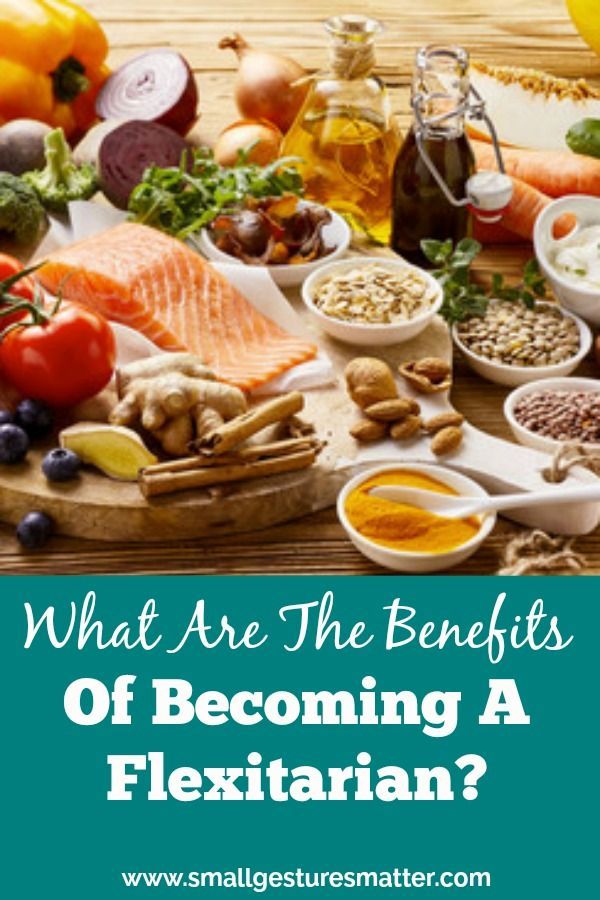
Health benefits of reducing meat consumption
Introduction:
In recent years, there has been a growing movement towards reducing meat consumption and adopting a more plant-based diet. While personal beliefs and ethical concerns are often the driving forces behind this shift, it is worth understanding that reducing meat consumption also brings numerous health benefits. From improving heart health to promoting weight loss, the impact of cutting back on meat can be significant. In this article, we will explore some of the key health benefits associated with reducing meat intake.
1. Decreased risk of chronic diseases:
High consumption of red and processed meats has been linked to an increased risk of developing chronic diseases such as cardiovascular disease, type 2 diabetes, and certain types of cancer. By replacing these meats with healthier protein sources like legumes, nuts, seeds, or tofu, individuals can significantly reduce their risk factors for these conditions.
2. Improved heart health:
Meat products tend to be high in saturated fats and cholesterol – two factors that contribute to heart disease. By opting for plant-based proteins instead, individuals can lower their intake of harmful fats while increasing their consumption of heart-healthy nutrients like fiber, antioxidants, and unsaturated fats found in sources such as avocados or olive oil.
3. Lower blood pressure:
Excessive salt intake is known to raise blood pressure levels – a major risk factor for cardiovascular disease. Since many processed meats contain high amounts of sodium as part of their preservation process or seasoning additives; by cutting back on these meats in favor of fresh fruits and vegetables rich in potassium (which helps regulate blood pressure), individuals can help maintain healthy blood pressure levels.
4. Weight management:
One common reason people choose to reduce meat consumption is its potential role in weight management or weight loss efforts. Plant-based diets tend to be lower in calories than diets centered around animal products; they are also higher in fiber content which promotes feelings of fullness and aids digestion.
5. Reduced risk of obesity:
High consumption of meat products has been associated with an increased risk of obesity due to their high-calorie content and potential contribution to insulin resistance. By incorporating more plant-based foods into daily meals, individuals can reduce calorie intake while increasing the nutrient density of their diet.
6. Improved gut health:
Plant-based diets tend to be higher in fiber, which acts as a prebiotic – feeding the beneficial bacteria in our gut. These bacteria play a crucial role in digestion, immune function, and overall well-being. By consuming more fruits, vegetables, whole grains, and legumes while reducing meat intake, individuals can support a healthy gut microbiome.
7. Enhanced nutrient profile:
While animal products contain essential nutrients like protein and certain vitamins (such as vitamin B12), excessive reliance on these sources may lead to imbalances or deficiencies in other vital nutrients found abundantly in plant-based foods. By diversifying one’s diet with a variety of fruits, vegetables, whole grains, nuts/seeds and occasionally incorporating fortified food products or supplements if necessary; individuals can ensure they receive all the necessary nutrients for optimal health.
Conclusion:
Reducing meat consumption not only benefits personal health but also contributes positively to environmental sustainability and ethical concerns related to animal agriculture. The numerous health benefits offered by adopting a more plant-based approach include decreased risk of chronic diseases such as heart disease and diabetes, weight management support through lower-calorie options rich in dietary fiber, improved gut health due to increased fiber intake supporting the gut microbiome functioning optimally among others mentioned above. Embracing this dietary shift is an empowering choice that promotes individual well-being along with long-term positive impact on global resources and animal welfare concerns

Leave a Reply