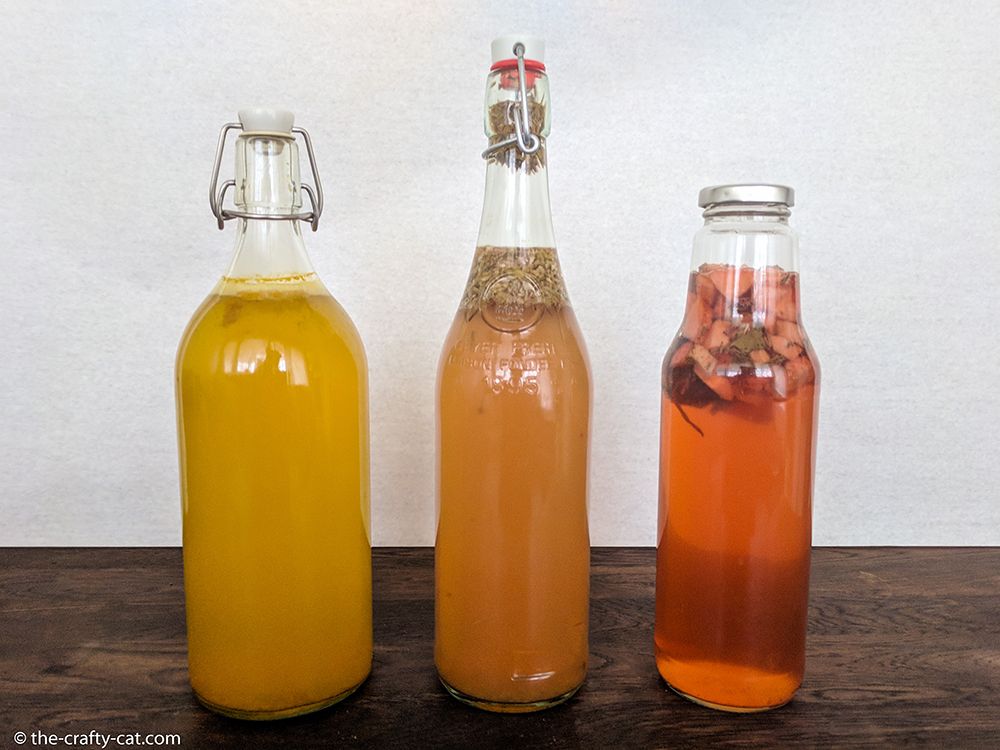
Using Fruit Juices in Second Fermentation of Kombucha
Kombucha, a fermented tea beverage, has gained popularity for its numerous health benefits and refreshing taste. Many kombucha enthusiasts enjoy experimenting with different flavors during the second fermentation process to create unique and delicious beverages. One popular method is using fruit juices as flavorings.
Second fermentation is an essential step in the kombucha-making process that occurs after the initial fermentation with a SCOBY (symbiotic culture of bacteria and yeast). During this stage, additional sugars and flavors are added to enhance the taste of the brew while increasing carbonation levels.
Fruit juices serve as fantastic natural sweeteners due to their high sugar content, making them an ideal choice for adding flavor to your kombucha. The sugars present in fruit juice act as food for the yeast in your brew, promoting further fermentation and carbonation.
When selecting fruit juices for your second fermentation, it’s crucial to choose those without any additives or preservatives. Pure, organic juices work best since they provide a more authentic flavor profile without unwanted chemicals interfering with the brewing process.
Here are some popular fruit juices you can use during second fermentation:
1. Apple Juice: Apple juice is a versatile option that pairs well with many other fruits or spices. It adds a subtle sweetness and tanginess to your kombucha while imparting a pleasant apple aroma.
2. Pineapple Juice: If you’re looking for a tropical twist in your kombucha, pineapple juice is an excellent choice. Its vibrant flavor complements many other fruits like mango or coconut for delightful combinations.
3. Berry Juices: Strawberry, raspberry, blueberry – berry juices add vibrant colors and intense fruity flavors to your brews. They not only make your kombucha visually appealing but also infuse it with antioxidants and vitamins found abundantly in berries.
4. Citrus Juices: Lemon, lime, orange – citrus fruits bring brightness and zing to your kombucha. They are particularly refreshing during warmer months and can be combined with other fruits or herbs like mint for a delightful combination.
5. Grape Juice: Grape juice offers a rich, sweet flavor that pairs well with many other fruits. It adds depth to your kombucha while providing resveratrol, an antioxidant known for its health benefits.
When using fruit juices in the second fermentation process, there are a few key points to keep in mind:
1. Dilution: While adding fruit juice, it’s important not to overpower the natural flavor of kombucha. Generally, a ratio of 10-20% fruit juice to 80-90% kombucha is recommended.
2. Bottling: After adding the desired amount of fruit juice to your brewed kombucha, transfer it into tightly sealed bottles suitable for carbonation. Glass bottles work best as they allow you to monitor carbonation levels visually.
3. Fermentation Time: The length of the second fermentation depends on various factors such as room temperature and personal preference for carbonation levels. On average, fermenting for 1-4 days at room temperature results in bubbly and flavorful kombucha.
4. Burping: To avoid excessive pressure buildup from carbonation during fermentation, burp the bottles daily by slightly opening them to release excess gas gently.
Remember that each batch may require some experimentation until you find the perfect balance between flavors and carbonation levels that suit your taste preferences.
Using fruit juices in the second fermentation process allows you to create endless flavor combinations limited only by your imagination and taste buds. It’s an exciting way to personalize your homemade brews while reaping the benefits of both fermented tea and fresh fruits’ nutritional content.
So go ahead – grab your favorite fruit juices and start experimenting! Discover new flavors, enjoy fizzy refreshment, and raise a glass filled with fruity goodness from your own kitchen!

Leave a Reply