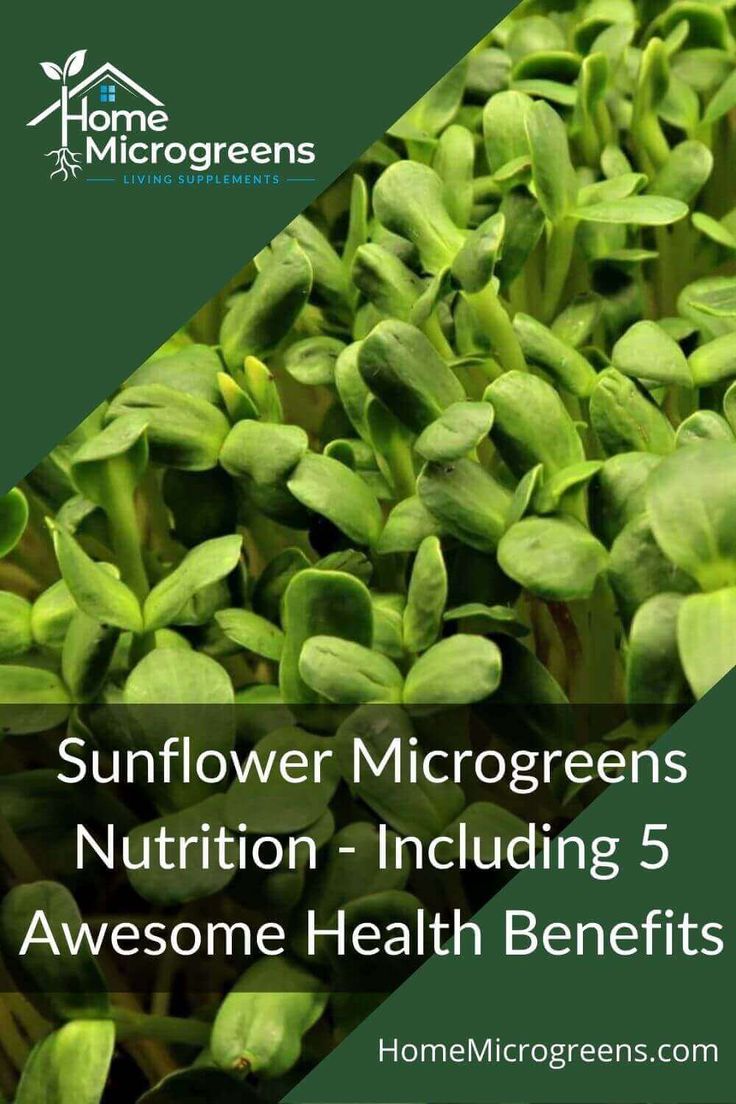
Microgreens have gained popularity in recent years, with their vibrant colors and delicate flavors adding a burst of freshness to various dishes. These miniature versions of leafy greens and herbs are not only visually appealing but also packed with nutritional benefits. In this article, we will explore the lesser-known varieties of microgreens, their impact on gut health, role in reducing inflammation, as a source of essential vitamins and minerals, uncommon ways to incorporate them into your diet, potential anti-aging properties, benefits of growing your own at home, recipes for picky eaters, flavor profiles of different varieties, role in weight management, proper storage techniques for maximum freshness, environmental impact and sustainability factor behind their cultivation.
1. Lesser-known microgreen varieties:
While many people are familiar with popular microgreens like broccoli and pea shoots, there are several lesser-known varieties worth exploring. Some examples include amaranth microgreens which have a slightly sweet taste; tatsoi microgreens that offer a mild mustard-like flavor; komatsuna microgreens known for their spinach-like taste; shungiku or edible chrysanthemum greens which have a unique floral flavor; sorrel microgreens that provide a tangy lemon-like taste; and mizuna or Japanese mustard greens that boast a peppery flavor.
2. Microgreens and gut health:
Gut health plays a crucial role in overall well-being as it affects digestion and nutrient absorption. Microgreens contain high levels of dietary fiber that promote healthy digestion by supporting the growth of beneficial gut bacteria. The fiber content also helps prevent constipation and maintains bowel regularity.
3. Role in reducing inflammation:
Inflammation is linked to various chronic diseases such as heart disease and diabetes. Certain types of microgreens possess anti-inflammatory properties due to the presence of antioxidants like vitamin C and beta-carotene. These compounds help combat free radicals in the body that contribute to inflammation.
4. Microgreens as a source of essential vitamins and minerals:
Microgreens are highly nutritious, often containing higher concentrations of vitamins and minerals compared to their fully grown counterparts. For example, red cabbage microgreens have six times more vitamin C than mature cabbage. They are also rich in vitamin A, vitamin K, iron, potassium, and calcium.
5. Uncommon ways to incorporate microgreens into your diet:
While microgreens can be sprinkled on salads and sandwiches or used as a garnish for various dishes, there are more creative ways to incorporate them into your meals. Try using them as a topping for pizzas or tacos, blending them into smoothies for added nutrients and color, mixing them into omelets or scrambled eggs, or even adding them to stir-fries for an extra burst of flavor.
6. Microgreens and potential anti-aging properties:
The antioxidants present in microgreens play a vital role in combating oxidative stress caused by free radicals. By neutralizing these harmful molecules, antioxidants help protect the body from premature aging and cellular damage.
7. Benefits of growing your own microgreens at home:
Growing your own microgreens can be a rewarding experience with numerous benefits. It allows you to have fresh greens readily available at all times, ensures their quality and safety since you control the cultivation process without relying on external sources. Moreover, it is cost-effective in the long run as buying seeds is usually cheaper than purchasing packaged microgreens regularly.
8. Microgreen recipes for picky eaters:
If you have picky eaters at home who aren’t fond of vegetables but need their nutritional benefits nonetheless, incorporating microgreens into their diets can be a great solution. Sneakily add them to smoothies or blend them with fruits to mask any strong flavors while still providing essential nutrients.
9. Exploring the flavor profiles of different microgreen varieties:
Each variety of microgreen carries its unique flavor profile that adds depth and complexity to dishes. For example, radish microgreens have a spicy kick, while cilantro microgreens offer a citrusy and fresh taste. Experimenting with different varieties can help you discover new flavors that enhance your culinary creations.
10. Microgreens and their role in weight management:
Microgreens are low in calories but high in nutrient content, making them an excellent addition to a weight management plan. The fiber-rich nature of microgreens promotes satiety, helping you feel fuller for longer periods and reducing the temptation to snack on unhealthy foods.
11. Proper storage and preservation techniques for maximum freshness:
To maintain the freshness and nutritional value of microgreens, it is essential to store them correctly. After harvesting or purchasing, gently rinse them under cold water and pat them dry with paper towels before refrigerating them in airtight containers or zip-lock bags lined with damp paper towels. Stored this way, they can stay fresh for up to a week.
12. Environmental impact of microgreen cultivation:
Compared to conventional agriculture practices requiring large amounts of land, water, and pesticides, microgreen cultivation has a significantly lower environmental impact. They can be grown indoors using hydroponic systems or even on small urban farms without the need for extensive resources.
13. Microgreens as a sustainable food source:
The fast-growing nature of microgreens allows for quick harvests within 1-3 weeks from sowing seeds. This rapid turnover rate makes them an efficient and sustainable source of fresh produce year-round since they require less space compared to traditional crops.
14. History and origins of microgreens:
While the exact origin remains unclear, historical evidence suggests that ancient civilizations like the Persians were growing these miniature greens thousands of years ago due to their nutritional benefits.
15. Microgreen nutrition facts: debunking common misconceptions:
Contrary to some misconceptions surrounding their nutritional value being inferior compared to fully grown vegetables or herbs, studies have shown that microgreens can contain higher levels of vitamins, minerals, and antioxidants.
16. Growing rare or exotic microgreen varieties:
For those looking to explore more unique flavors and textures, there are several rare or exotic microgreen varieties available. Examples include shiso microgreens with their distinct minty flavor, red garnet amaranth with its vibrant red leaves and slightly earthy taste, or lemon basil microgreens that provide a refreshing citrus twist.
17. Science behind the color variations in different microgreen types:
The vibrant colors seen in various microgreens are due to pigments called carotenoids and anthocyanins. These pigments not only contribute to the visual appeal but also offer additional health benefits as they possess antioxidant properties.
18. Using microgreens as natural food dyes in cooking and baking:
Microgreens can be used as a natural alternative to artificial food dyes in cooking and baking. For example, using purple basil or radish microgreens can add beautiful hues to desserts or drinks without the need for synthetic coloring agents.
19. Incorporating microgreens into plant-based diets:
Microgreens are an excellent addition to plant-based diets as they provide essential nutrients like iron, calcium, and vitamin K that might be lacking from solely consuming fruits and vegetables.
20. Microgreen smoothie recipes for a nutrient-packed breakfast option:
Starting your day with a nutrient-packed smoothie is an ideal way to incorporate microgreens into your diet. Try blending spinach or kale microgreens with fruits like banana or berries for a delicious and nourishing breakfast option.
In conclusion, exploring lesser-known varieties of microgreens opens up new avenues for culinary experimentation while providing numerous health benefits ranging from improved gut health to potential anti-aging properties. Their versatility makes them easy to incorporate into various dishes, making healthy eating both exciting and flavorful. Whether you choose to grow your own at home or source them from local farmers’ markets or grocery stores, incorporating microgreens into your diet is a step towards a healthier and more sustainable lifestyle.

Leave a Reply