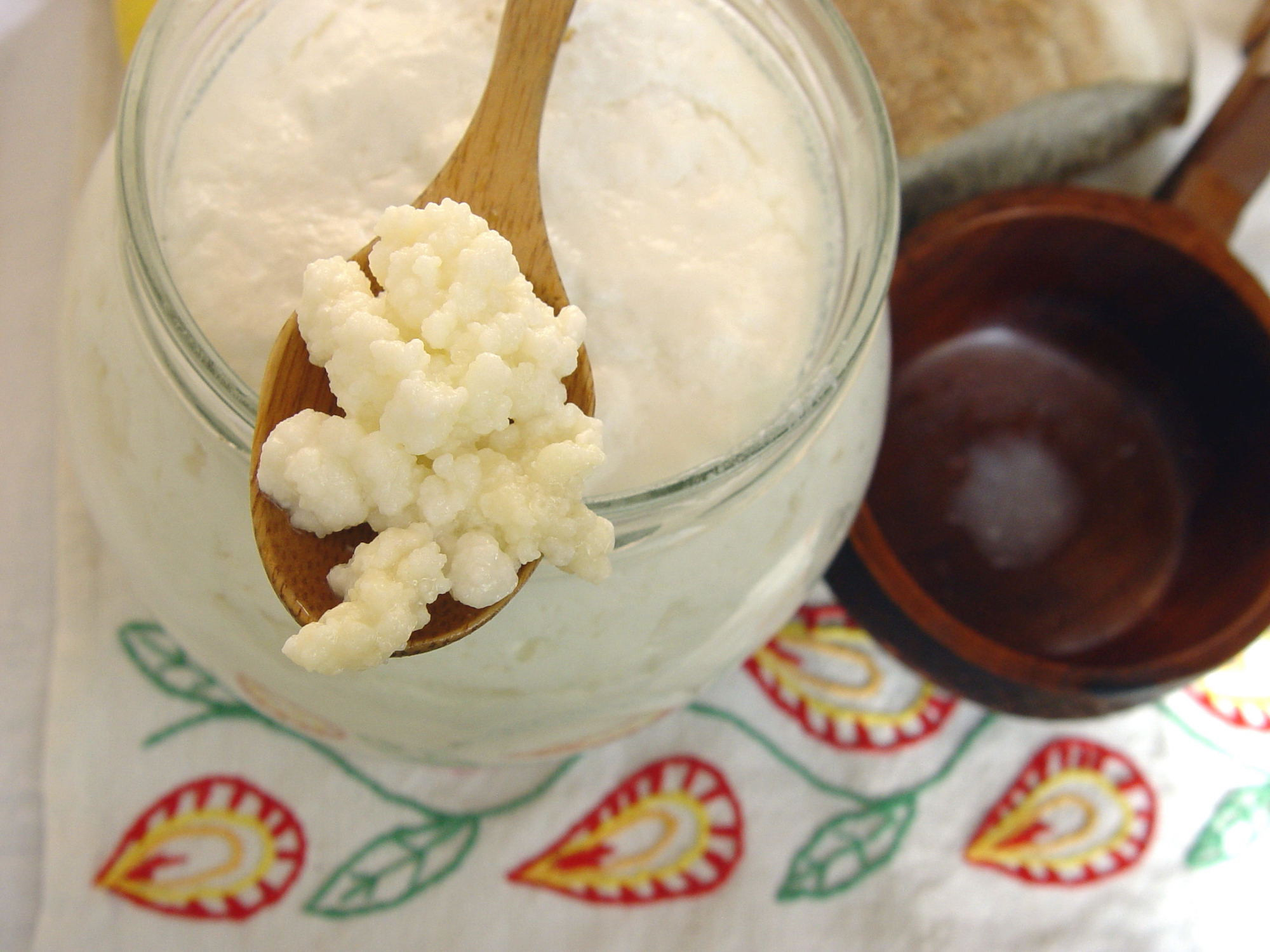
Kefir is a fermented milk drink that has been enjoyed for centuries due to its rich taste and numerous health benefits. Its origins can be traced back to the Caucasus Mountains, where nomadic shepherds discovered that fresh milk carried in animal skin bags would ferment into a delicious beverage after being exposed to heat and humidity.
The unique tangy flavor of kefir is attributed to the presence of kefir grains, which are a combination of yeast and bacteria clusters. These grains act as a fermentation starter and are responsible for transforming lactose in milk into lactic acid, giving kefir its characteristic tartness.
There are two main types of kefir grains: water kefir grains and milk kefir grains. Water kefir grains are translucent crystals that thrive in sugary water solutions, while milk kefir grains resemble small cauliflower florets and require dairy or non-dairy milks for fermentation.
Making homemade kefir is relatively simple. To begin, you’ll need either water or milk kefir grains, depending on your preference. Combine the chosen grain with either sugar-water or milk in a glass jar with a loose-fitting lid. Allow the mixture to ferment at room temperature for about 24-48 hours until it reaches your desired level of tartness.
Apart from its delightful flavor, one major reason why people consume kefir is because of its nutritional benefits. Kefir is packed with essential nutrients such as protein, calcium, magnesium, vitamin B12, and probiotics – beneficial bacteria that promote gut health.
As a probiotic powerhouse, consuming kefir regularly can help improve digestion by balancing the gut microbiota. The live bacteria in kefir also enhance immune function by stimulating the production of antibodies and reducing inflammation.
Furthermore, research suggests that including probiotics like those found in kefir can have positive effects on weight management by increasing feelings of fullness and reducing calorie intake.
Kefir may also possess anti-inflammatory properties that can help combat chronic inflammation in the body. Studies have shown that kefir consumption can reduce markers of inflammation, which may be beneficial for individuals with conditions like arthritis or inflammatory bowel disease.
Additionally, kefir has been linked to improved bone health due to its high calcium and vitamin K content. These nutrients are essential for maintaining strong bones and preventing conditions such as osteoporosis.
If you’re looking to incorporate kefir into your daily diet, there are various ways to enjoy it. You can simply drink it on its own, use it as a base for smoothies, or even substitute it for milk or yogurt in recipes. The tangy flavor of kefir adds a unique twist to both sweet and savory dishes.
In conclusion, kefir is not only a delicious beverage but also offers numerous health benefits. From improving gut health and boosting the immune system to potential anti-inflammatory effects and aiding in weight management, this fermented drink is truly a nutritional powerhouse. By making your own kefir at home or choosing quality commercial products, you can easily enjoy the many advantages this ancient beverage has to offer.

Leave a Reply