Fermented Foods and Probiotics: A Guide for Vegans
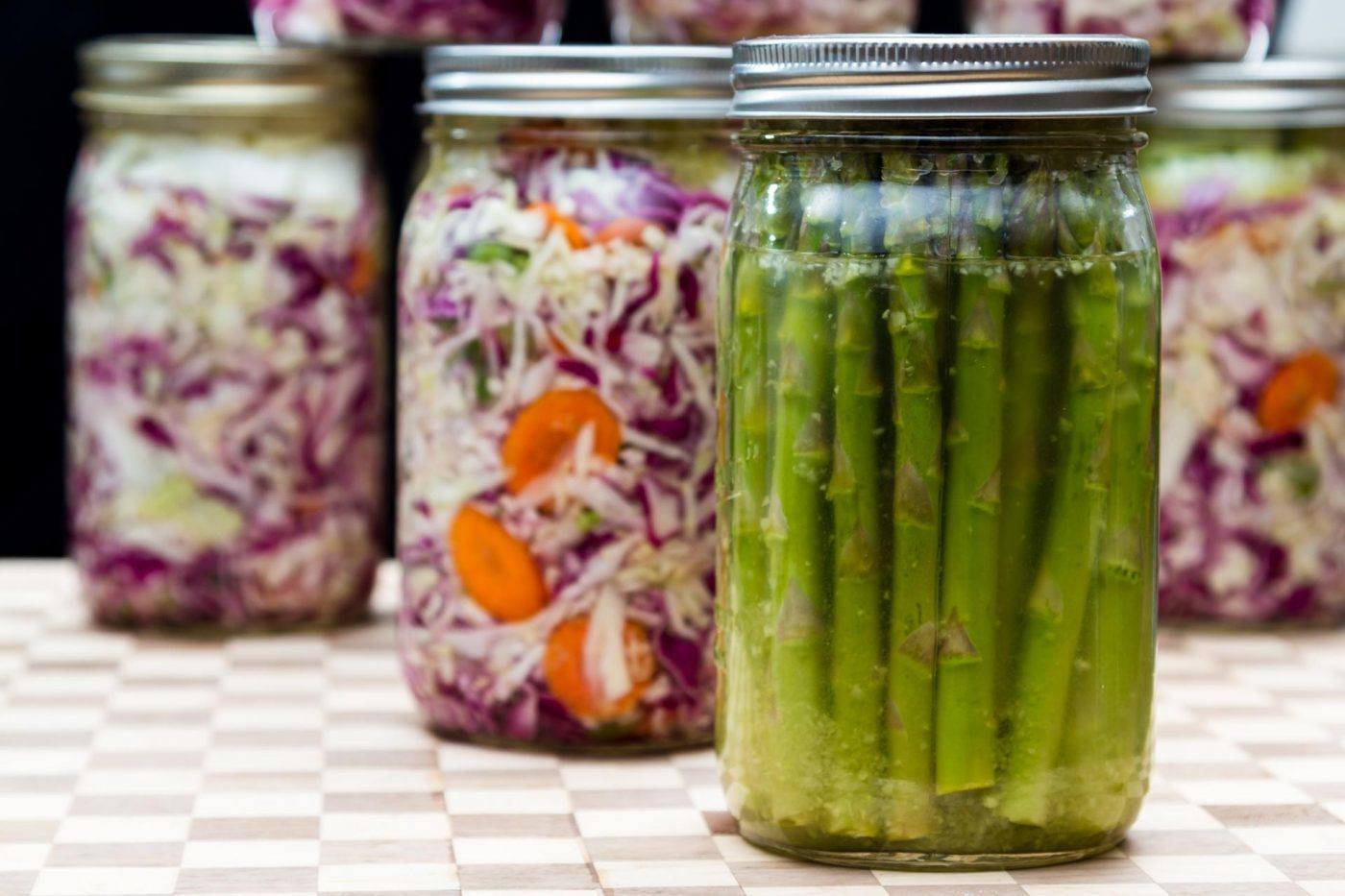
In recent years, there has been growing interest in fermented foods and their potential health benefits. Fermentation is a natural process that involves the breakdown of sugars by bacteria or yeast. This process not only enhances flavor but also increases the nutritional value of foods. One key benefit of fermented foods is their high probiotic content, which can have a positive impact on gut health. But what about vegans? Can they enjoy the benefits of fermented foods too?
The good news is that there are plenty of vegan-friendly options when it comes to fermented foods. Here are some examples:
1. Sauerkraut: Made from shredded cabbage that has been salted and left to ferment, sauerkraut is a classic example of a vegan-friendly fermented food. It’s rich in beneficial bacteria like Lactobacillus plantarum and Lactobacillus brevis.
2. Kimchi: A traditional Korean dish, kimchi typically consists of fermented vegetables such as cabbage, radishes, and carrots seasoned with spices like chili pepper and garlic. It’s not only tasty but packed with probiotics too.
3. Tempeh: A popular meat substitute made from soybeans, tempeh undergoes fermentation using Rhizopus oligosporus culture starter. Not only does this enhance its flavor profile, but it also boosts its nutrient content.
4. Miso: This Japanese staple is made by fermenting soybeans with koji (a type of fungus) and salt for several months or even years! Miso adds depth to soups and sauces while providing beneficial probiotics.
5. Kombucha: Although kombucha starts with tea leaves sweetened with sugar, the final product contains minimal residual sugar due to fermentation by SCOBY (symbiotic culture of bacteria and yeast). It results in a tangy and fizzy drink loaded with probiotics.
6. Coconut yogurt: For those looking for a vegan alternative to dairy-based yogurts, coconut yogurt is an excellent choice. Made by fermenting coconut milk with probiotic cultures, it offers a creamy texture and gut-friendly bacteria.
Including fermented foods in your diet can help improve digestion, boost the immune system, and even enhance mental health. If you’re new to fermented foods, start slowly and gradually introduce them into your meals. Remember that these foods are best consumed in moderation as part of a balanced diet.
In addition to fermented foods, vegans can also consider taking vegan probiotic supplements to further support their gut health. These supplements typically contain strains of beneficial bacteria derived from plant sources.
In conclusion, being vegan doesn’t mean missing out on the benefits of fermented foods and probiotics. With a wide variety of options available, vegans can enjoy the flavors and advantages that come with incorporating these nutritious additions into their diets. So go ahead and explore the world of fermentation – your taste buds and gut will thank you!

Leave a Reply