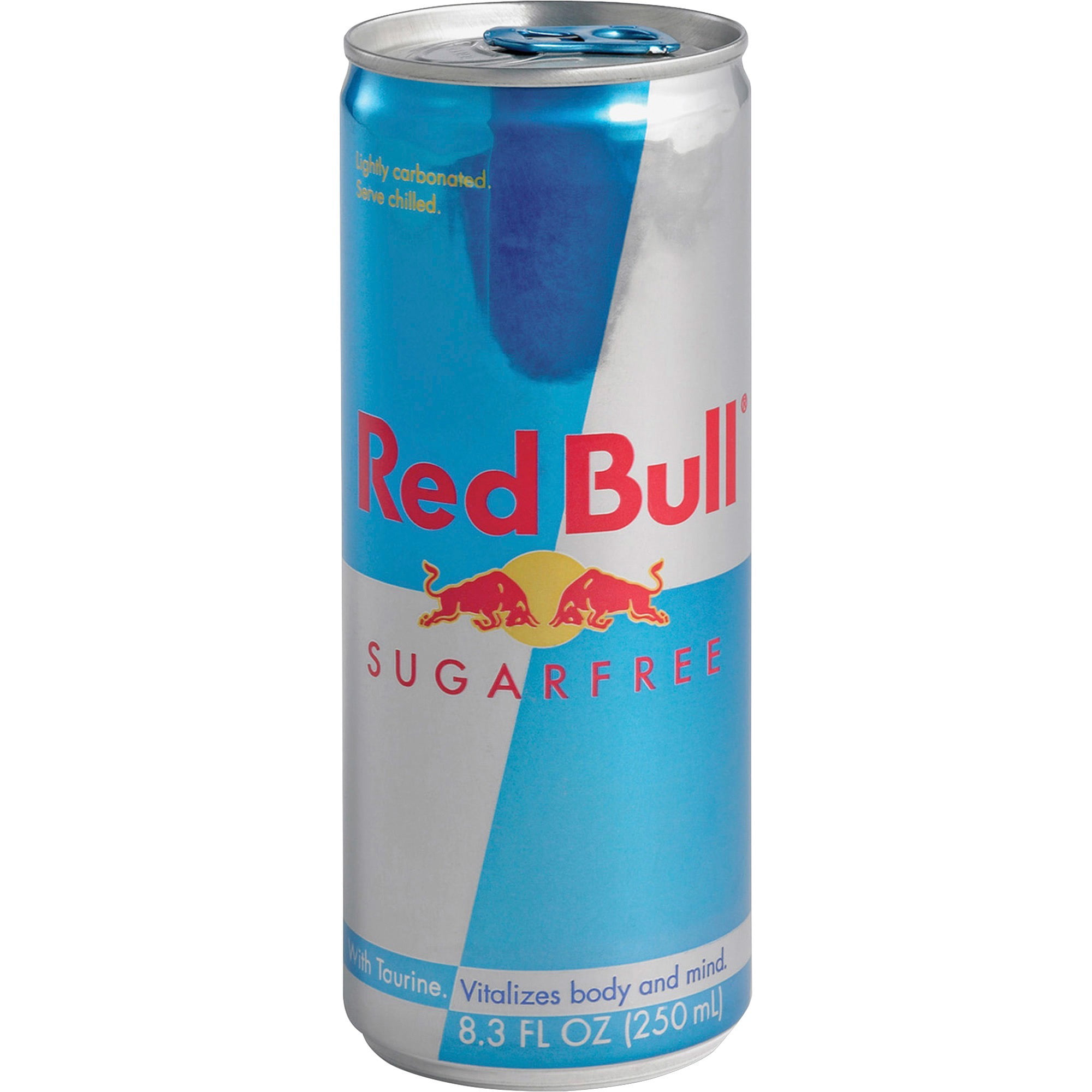
Sugar-Free Energy Drinks: A Comprehensive FAQ Guide
Introduction:
In today’s fast-paced world, many individuals turn to energy drinks to boost their energy levels and stay focused throughout the day. However, concerns about excessive sugar consumption have led to a rise in popularity of sugar-free energy drinks. In this comprehensive FAQ guide, we will address common questions related to sugar-free energy drinks, their ingredients, potential health effects, and alternatives for those seeking a healthier option.
1. What are sugar-free energy drinks?
Sugar-free energy drinks are beverages formulated with ingredients that provide an energetic boost without the addition of refined sugars or artificial sweeteners. These beverages typically contain caffeine and other natural stimulants like guarana or green tea extract.
2. How do sugar-free energy drinks work?
Sugar-free energy drinks stimulate the central nervous system due to their caffeine content. Caffeine acts as a mild stimulant by blocking adenosine receptors in the brain, which helps increase alertness and reduce fatigue.
3. Are sugar-free energy drinks healthier than regular ones?
While sugar-free options might seem like a healthier alternative for those concerned about excessive sugar intake, it is important to note that they still possess potential health risks associated with high caffeine content and other additives present in these beverages.
4. What are some common ingredients found in sugar-free energy drinks?
Apart from caffeine, which is the primary active ingredient in most of these products, other commonly found components include taurine (an amino acid), B-vitamins (such as niacin and vitamin B12), herbal extracts (like ginseng), and various flavorings.
5. Can drinking too many sugar-free energy drinks be harmful?
Excessive consumption of any caffeinated beverage can lead to negative side effects such as increased heart rate, elevated blood pressure, dehydration, insomnia, nervousness/jitters, digestive issues (due to high acidity), and even dependency on caffeine.
6. Are there any potential health benefits to sugar-free energy drinks?
While sugar-free energy drinks may provide a temporary boost in alertness and improve cognitive function, the long-term health benefits are still debatable. Some studies suggest that caffeine intake within moderate limits can have positive effects on mental performance, but further research is needed in this area.
7. Can sugar-free energy drinks help with weight loss?
Although these beverages do not contain added sugars, they are often packed with artificial sweeteners like sucralose or aspartame. While low-calorie sweeteners might reduce calorie intake, their impact on weight loss remains inconclusive. Additionally, relying solely on sugar-free energy drinks for weight management is not recommended as part of a balanced diet.
8. What are some alternatives to sugar-free energy drinks?
For individuals seeking healthier options to boost their energy levels, there are several alternatives to consider:
a) Natural Energy-Boosting Foods: Opt for whole foods rich in complex carbohydrates and nutrients such as fruits, vegetables, whole grains, nuts/seeds, and lean proteins.
b) Herbal Teas: Brew yourself a cup of herbal tea made from chamomile, peppermint leaves or ginseng root for a natural pick-me-up without the excess caffeine.
c) Hydration: Often fatigue is caused by dehydration; make sure you’re drinking enough water throughout the day to keep your body functioning optimally.
d) Regular Exercise: Engaging in physical activity can naturally increase your energy levels by improving blood circulation and releasing endorphins.
9. How much caffeine is safe to consume daily?
The Food and Drug Administration (FDA) suggests that consuming up to 400 mg of caffeine per day is generally recognized as safe for most healthy adults. However, individual sensitivities may vary significantly; it’s essential to listen to your body’s response when consuming caffeinated beverages.
Conclusion:
Sugar-free energy drinks offer an alternative option for those looking to reduce their sugar intake while still seeking an energy boost. However, it’s important to consume these beverages in moderation and be aware of potential health risks associated with excessive caffeine consumption. Incorporating natural energy-boosting foods, staying hydrated, and maintaining a balanced lifestyle are key when aiming for long-term sustainable energy levels. Always consult with your healthcare provider if you have any concerns about the impact of sugar-free energy drinks on your health or specific dietary requirements.

Leave a Reply