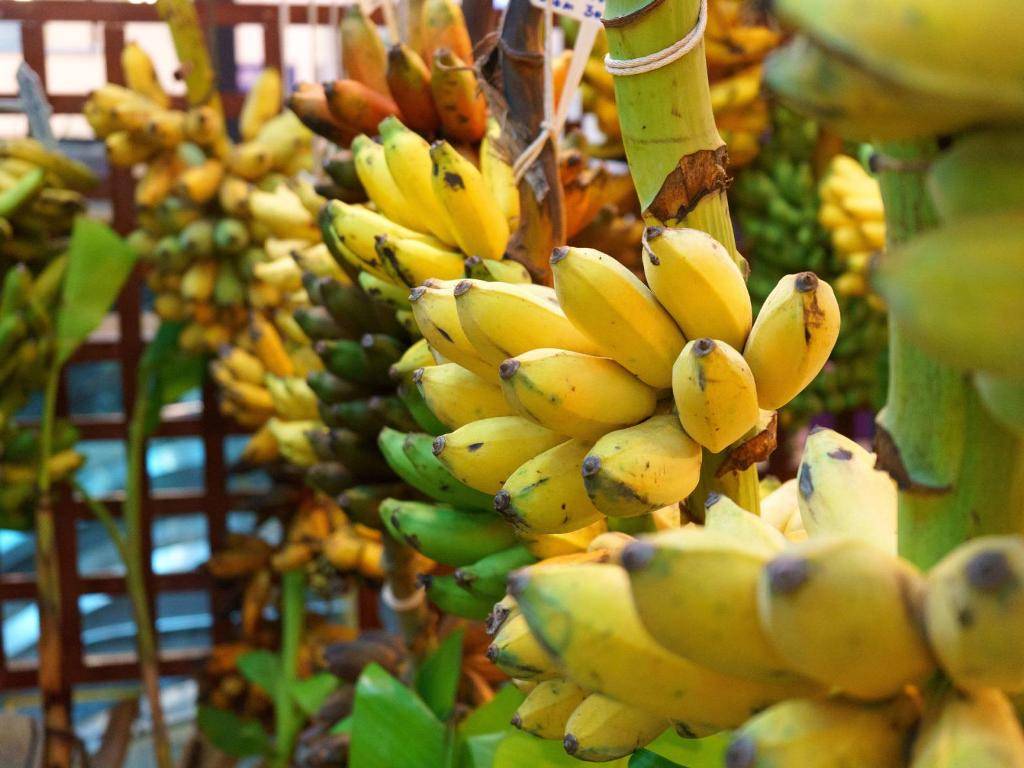
Bananas are one of the most popular and widely consumed fruits in the world. They are not only delicious but also packed with essential nutrients like potassium, vitamin C, and dietary fiber. Have you ever wondered how these tropical fruits are cultivated and harvested? In this article, we will explore some interesting facts about the cultivation and harvesting of bananas.
1. Banana Varieties:
There are over 1,000 different varieties of bananas grown worldwide, but the most commonly consumed variety is known as Cavendish. Cavendish bananas have a creamy texture with a slightly sweet taste when ripe. Other popular varieties include plantains, finger bananas (also known as ladyfinger bananas), red bananas, and blue Java bananas.
2. Ideal Growing Conditions:
Banana plants thrive in warm tropical climates with temperatures ranging from 80 to 95°F (27 to 35°C). They require ample sunlight for at least six hours a day and prefer well-drained soil with high organic matter content. The humidity level should be around 60-70% for optimal growth.
3. Propagation:
Unlike many other fruit trees that grow from seeds or pits, banana plants are propagated using suckers or tissue culture techniques. Suckers are small shoots that emerge from the base of an existing banana plant’s underground rhizome system. These suckers can be separated from the parent plant and transplanted to grow new banana trees.
4. Planting Process:
Before planting banana suckers or tissue-cultured seedlings, farmers prepare the land by plowing or digging trenches to improve drainage and loosen up the soil structure. Then they carefully plant each sucker about two feet deep into prepared holes while ensuring proper spacing between plants for adequate airflow.
5. Intercropping Benefits:
To maximize land use efficiency, many farmers practice intercropping alongside their banana plantation by growing complementary crops such as legumes (like beans) or vegetables between rows of banana plants. This practice helps in weed suppression, pest control, and nutrient management.
6. Growth and Maintenance:
Banana plants are fast-growing, with some varieties reaching heights of up to 20 feet (6 meters). To support their growth, farmers regularly remove any competing suckers that might hinder the main plant’s development. They also provide appropriate fertilization through organic matter or commercial fertilizers to ensure optimal nutrient uptake.
7. Pruning:
Pruning is an essential practice in banana cultivation to maintain the plant’s health and productivity. Farmers typically remove any dead or damaged leaves from each stalk and cut off the male flowers after pollination to divert energy towards fruit production.
8. Flowering and Fruit Development:
Bananas are considered “herbaceous perennials” because once a banana tree produces fruit, it dies back while new suckers emerge from its rhizome system to continue the cycle. Banana trees take around nine months to one year for their flowers to develop into mature fruits ready for harvesting.
9. Pollination Process:
Unlike many fruits that require insect pollinators like bees or butterflies, most cultivated bananas do not rely on natural pollination processes involving animals. Instead, they are parthenocarpic, meaning they can develop fruits without fertilization by pollen. However, wild varieties of bananas still depend on insects for pollination.
10. Pests and Diseases:
Banana plants face various pests and diseases that can affect their growth and yield significantly. The most notorious disease is Panama disease (Fusarium wilt), caused by a soil-borne fungus that attacks the roots of susceptible banana varieties. Another common issue is black sigatoka, a fungal leaf spot disease that affects photosynthesis if left unchecked.
11. Harvesting Time:
Knowing when to harvest bananas requires careful observation as different stages determine their taste and ripeness level desired by consumers worldwide.
– For export purposes: Bananas are typically harvested when they are still green and firm. They undergo a process called “forced ripening” after transportation to turn them yellow before reaching the market.
– For local consumption: Some farmers prefer harvesting bananas at different stages, including green for cooking or making traditional dishes, partially ripe for immediate consumption, or fully ripe for desserts and fresh eating.
12. Harvesting Techniques:
Harvesting bananas involves cutting down the entire stalk (also known as a bunch) instead of individual fruits. Workers use machetes or sharp knives to sever the stalk from the tree trunk carefully. The harvested bunches are then loaded onto carts or carried by hand to collection points.
13. Ripening Process:
As mentioned earlier, most commercially grown bananas are picked when green and firm before undergoing artificial ripening processes using ethylene gas in controlled environments. This process helps ensure that bananas reach their desired ripeness level uniformly.
14. Post-Harvest Handling:
After harvest, banana bunches go through various post-harvest treatments to maintain freshness and extend shelf life during storage and transportation.
– Washing: Bunches may be washed with water containing disinfectants to remove dirt and potential contaminants.
– Wax Coating: A thin layer of food-grade wax is applied on some bananas to enhance their appearance and protect them from moisture loss.
– Packaging: Bananas are often packed into cardboard boxes or plastic bags with ventilation holes to allow air circulation while protecting them from physical damage.
15. Transportation:
Bananas are transported over long distances via land, sea, or air depending on the destination market’s requirements. Careful handling is essential during transportation to prevent bruising or damage that can lead to premature spoilage.
In conclusion, the cultivation and harvesting of bananas require specific growing conditions, careful propagation techniques, regular maintenance practices like pruning and fertilization, pest management strategies, accurate timing for harvesting based on desired ripeness levels – whether it’s for local or export markets, and post-harvest treatments to ensure freshness. Understanding these fascinating facts about banana production can help us appreciate the efforts behind this globally beloved fruit and make more informed choices when purchasing bananas. So, next time you enjoy a delicious banana, remember the intricate journey it undertook from farm to your plate.

Leave a Reply