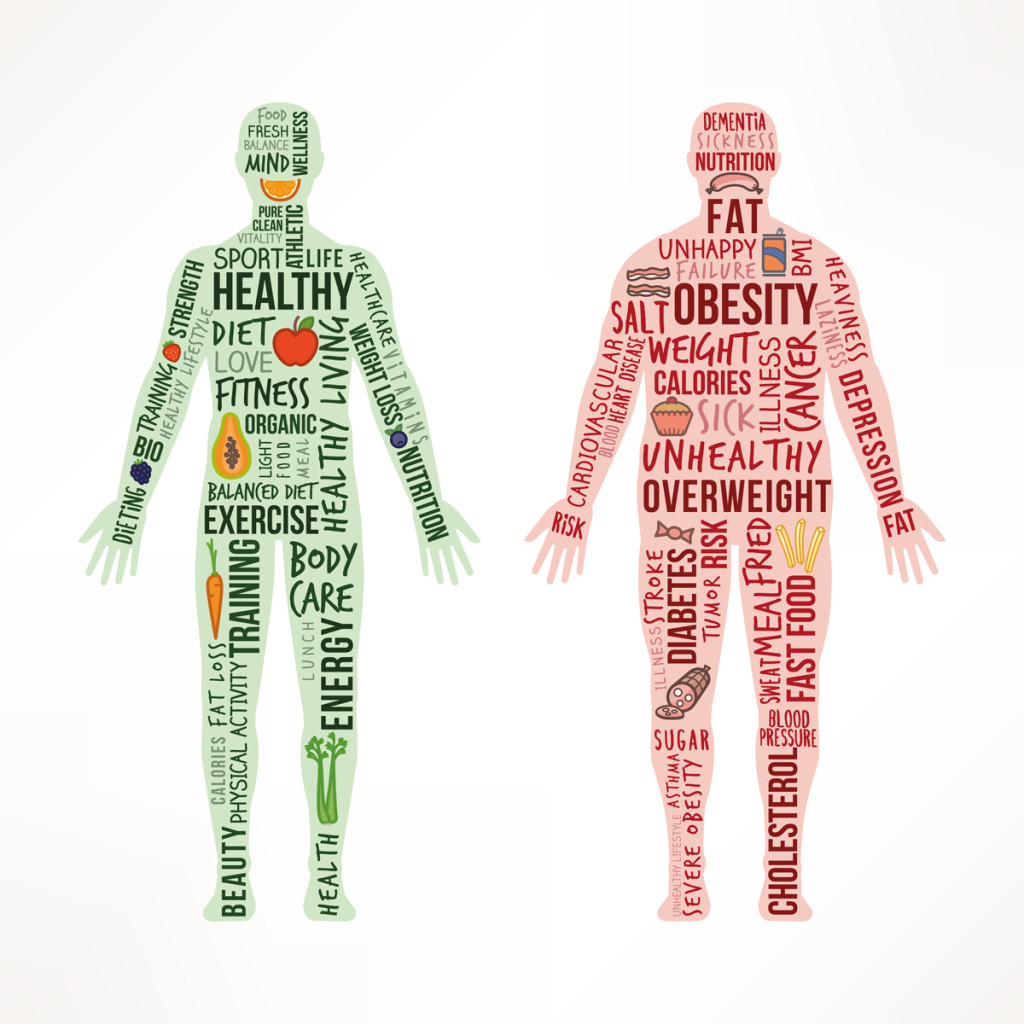
Welcome to our panel discussion on risks associated with healthy eating. Today, we have gathered a group of experts to shed light on some potential dangers that can arise from adopting a healthy eating lifestyle. While it’s important to prioritize nutrition, it’s equally crucial to be aware of the risks involved. Let’s dive into our conversation.
Firstly, one risk that often arises when people embark on a healthy eating journey is the possibility of developing nutritional deficiencies. Dr. Smith, could you please elaborate on this?
Dr. Smith: Certainly! When individuals restrict their diets or eliminate certain food groups without proper guidance or understanding, they may inadvertently miss out on essential nutrients required for optimal health. For example, eliminating dairy products without replacing them with adequate alternatives might lead to calcium deficiency.
Another significant risk associated with healthy eating is the potential development of disordered eating habits or even full-blown eating disorders such as orthorexia nervosa. This condition involves an obsessive preoccupation with “clean” and “pure” foods and can lead to severe anxiety and social isolation if left unchecked.
Registered Dietitian Ms. Johnson, what are your thoughts on this matter?
Ms. Johnson: I completely agree; extreme focus and obsession with clean eating can sometimes become unhealthy in itself. It’s important for individuals to cultivate a balanced approach towards food choices rather than fixating solely on specific nutrient content or avoiding certain ingredients entirely.
Moreover, another risk worth mentioning is the potential for inadequate calorie intake among those who pursue strict diet plans without considering individual needs and energy requirements adequately. Insufficient caloric intake can lead to fatigue, nutrient imbalances, hormonal disruptions, impaired immune function—among other adverse effects.
Lastly but not least importantly—the demonization of certain foods in pursuit of healthier options can negatively impact mental well-being by fostering guilt and shame around food choices which ultimately leads to an unhealthy relationship with food.
Dr. Miller: Absolutely! The psychological aspect plays a significant role in healthy eating as well. It’s crucial to approach food with a positive mindset and avoid labeling foods as “good” or “bad.” Moderation and balance are key.
In conclusion, while healthy eating choices can provide numerous benefits, it’s essential to be mindful of the potential risks involved. Nutritional deficiencies, disordered eating patterns, inadequate calorie intake, and negative psychological effects are all factors that should be considered when embarking on a healthy eating journey. Remember, listening to your body and seeking professional guidance can help mitigate these risks and ensure a sustainable approach towards better health.

Leave a Reply