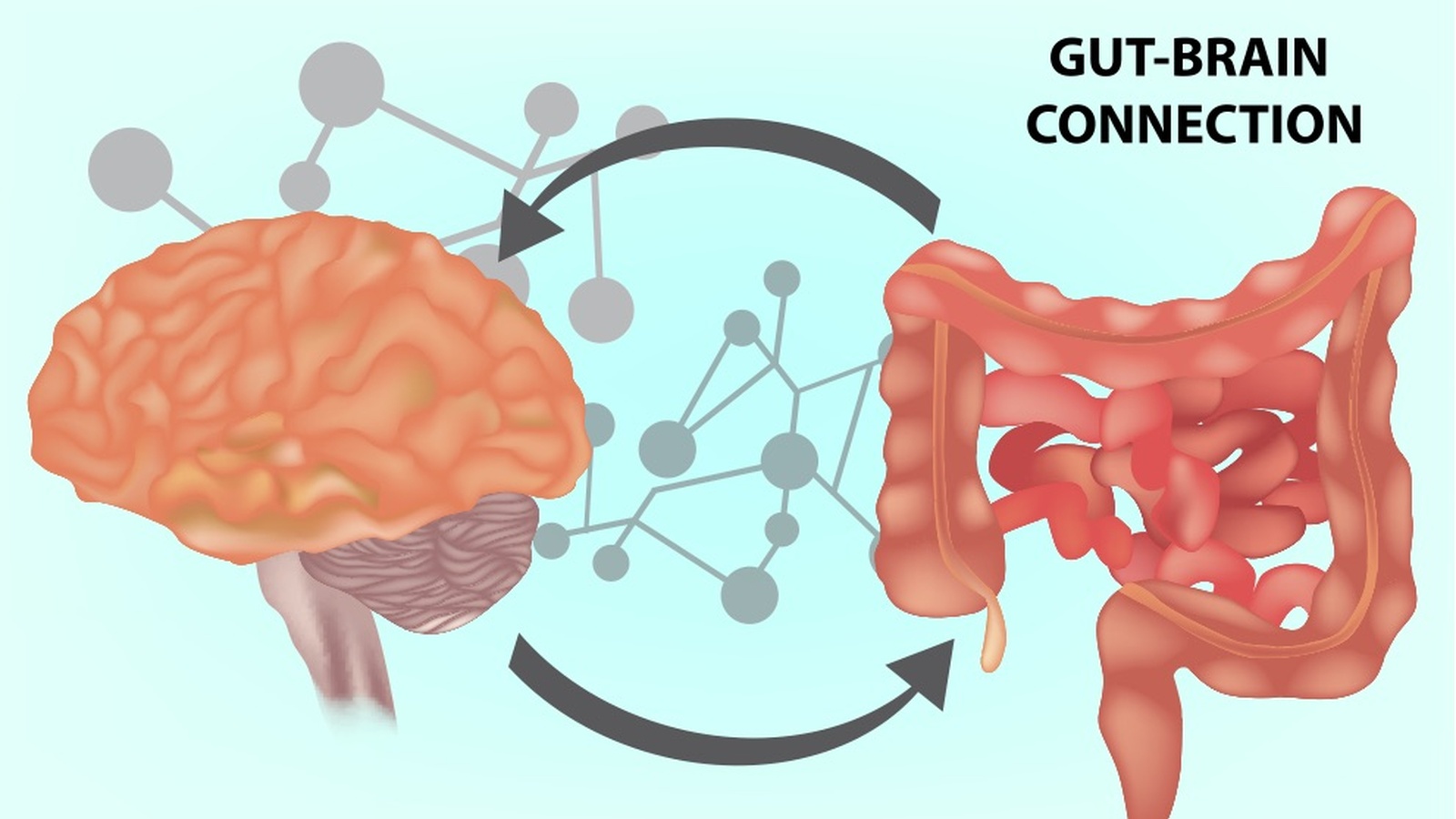
The Connection Between Gut Health and Mental Health
In recent years, there has been growing interest in the connection between gut health and mental health. While it may seem surprising at first, research has shown that our gut health plays a crucial role in maintaining optimal mental well-being. The complex relationship between the gut and the brain is a fascinating field of study that is shedding light on new ways to support our mental health through proper nutrition.
The gut, often referred to as the “second brain,” contains millions of nerve cells that communicate with the brain through an intricate network known as the gut-brain axis. This bi-directional communication system allows signals to travel back and forth, influencing both physical and mental processes. When this delicate balance is disrupted, it can have significant implications for our overall well-being.
One of the key factors linking gut health to mental health is the microbiome – a vast collection of microorganisms residing in our digestive tract. These microorganisms include bacteria, viruses, fungi, and other microbes that work together symbiotically with our bodies to maintain various physiological functions.
Research has revealed that certain strains of bacteria in the gut produce neurotransmitters such as serotonin and dopamine – chemicals responsible for regulating mood, sleep patterns, appetite, and emotions. In fact, about 90% of serotonin production occurs in the digestive tract.
When there is an imbalance or depletion of these beneficial bacteria in our gut microbiome (known as dysbiosis), it can lead to disturbances in neurotransmitter production. This disruption can contribute to symptoms commonly associated with poor mental health like anxiety disorders or depression.
Furthermore, studies have linked imbalances in specific bacterial strains within the microbiome with conditions such as irritable bowel syndrome (IBS) and inflammatory bowel disease (IBD). Interestingly enough, individuals diagnosed with these gastrointestinal disorders often report higher rates of anxiety and depression compared to those without them.
So how can we support good gut health for improved mental well-being? The first step is to focus on a nutrient-rich diet that nourishes both our bodies and our microbiome. Including a variety of fruits, vegetables, whole grains, lean proteins, and fermented foods can help promote the growth of beneficial bacteria in the gut.
Probiotics, live bacteria or yeasts that provide health benefits when consumed in adequate amounts, can also be beneficial for improving gut health. These friendly microbes can help restore balance to the gut microbiome and support mental health. Probiotic-rich foods such as yogurt, kefir, sauerkraut, kimchi, and kombucha are great additions to a gut-friendly diet.
In addition to a healthy diet, managing stress levels is crucial for maintaining optimal gut health. Chronic stress can disrupt the balance of bacteria in the microbiome and weaken the integrity of the intestinal barrier. Engaging in stress-reducing activities like regular exercise, meditation, deep breathing exercises or spending time with loved ones can significantly improve overall well-being.
Moreover, it’s important to note that each person’s gut microbiome is unique. What works well for one individual may not have the same effect on another. Therefore, paying attention to your body’s response when making dietary changes or introducing new probiotics into your routine is essential.
While nutrition plays an integral role in supporting good mental health through a healthy gut-brain axis connection—gut health alone cannot resolve all mental health conditions. It should always be viewed as part of an integrated approach involving appropriate medical care along with other therapeutic interventions if necessary.
In conclusion, research has shown that there is indeed a strong link between gut health and mental health. By prioritizing our digestive system’s well-being through proper nutrition and lifestyle choices such as managing stress levels effectively – we are taking proactive steps towards nurturing both our physical and mental wellness.
Remember: A happy belly often leads to a happy mind!

Leave a Reply