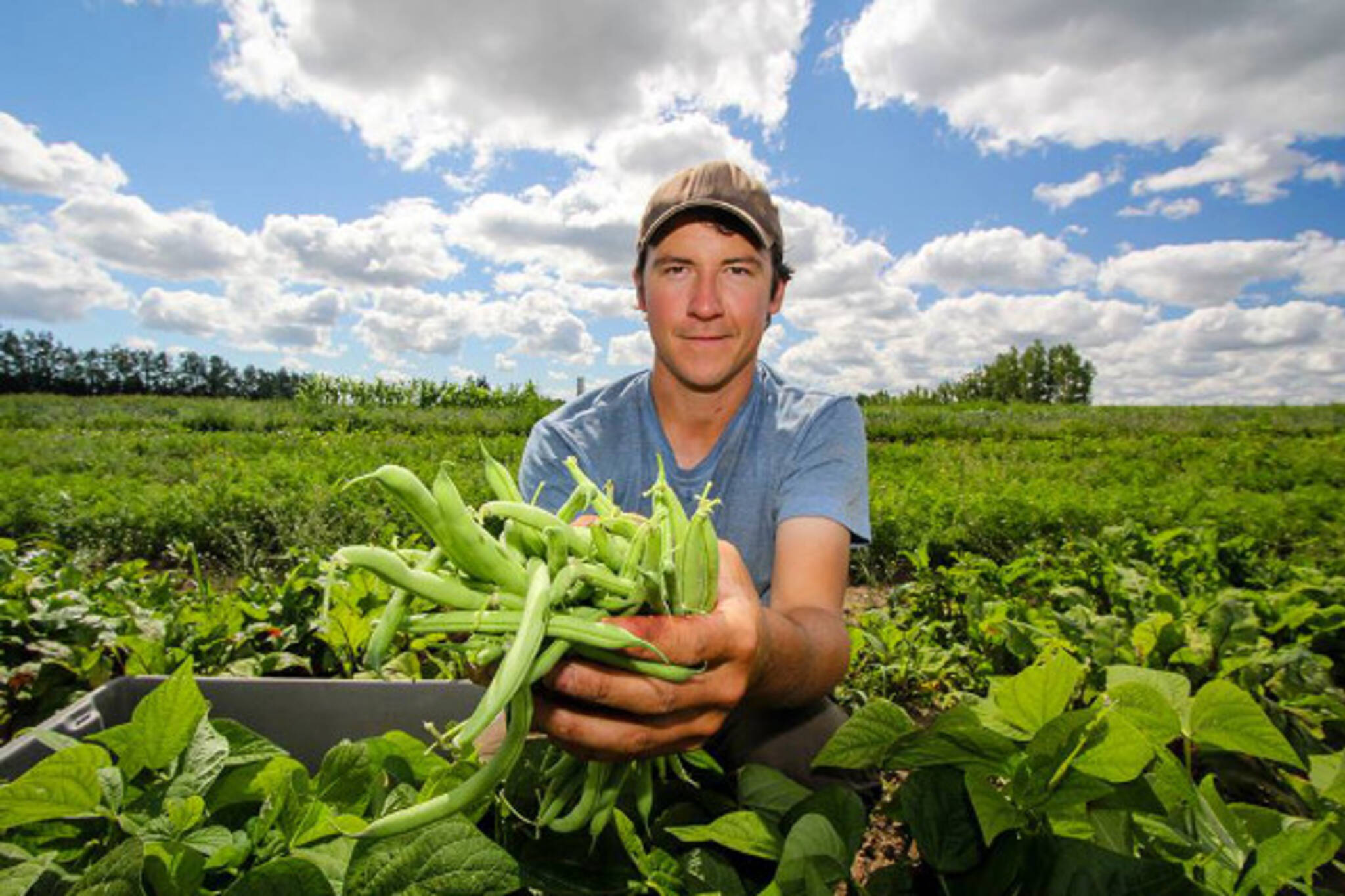
Organic Farming: An Interview with a Sustainable Agriculture Expert
In recent years, there has been a growing interest in organic farming as people become more conscious about the food they consume and its impact on their health and the environment. To shed light on this topic, we sat down with Dr. Sarah Thompson, an expert in sustainable agriculture, to discuss the benefits, challenges, and future prospects of organic farming.
Q: What exactly is organic farming?
Dr. Thompson: Organic farming is an agricultural method that emphasizes the use of natural inputs and techniques to grow crops and raise livestock. It promotes soil health by avoiding synthetic fertilizers, pesticides, GMOs (genetically modified organisms), and other artificial additives commonly used in conventional agriculture. Instead, it relies on practices such as crop rotation, composting, cover cropping, and integrated pest management.
Q: What are the key benefits of organic farming?
Dr. Thompson: There are numerous benefits associated with organic farming. Firstly, it helps protect our environment by reducing soil erosion and water pollution since no harmful chemicals are used. Organic farmers also prioritize biodiversity conservation by providing habitats for wildlife through the preservation of native vegetation around their fields.
Secondly, organically grown foods offer nutritional advantages. Several studies have shown that they contain higher levels of vitamins, minerals, antioxidants like vitamin C and E as well as beneficial compounds like polyphenols compared to conventionally grown counterparts.
Lastly but importantly for many consumers today is animal welfare; organic regulations mandate humane treatment for animals raised on these farms ensuring they have access to pasture or outdoor environments.
Q: Are there any challenges associated with organic farming?
Dr. Thompson: Like any agricultural system, organic farming does face some challenges. One significant challenge is pest control without relying heavily on synthetic pesticides or herbicides traditionally used in conventional agriculture systems.
Organic farmers must rely on cultural methods such as crop rotation or biological control using insects or microorganisms to manage pests. While effective, these methods may require more planning and monitoring.
Another challenge is the certification process. To label their produce or livestock as organic, farmers must comply with strict regulations set by various certification bodies. This can be time-consuming and expensive for small-scale farmers who might struggle to meet all the requirements.
Q: How do you see the future of organic farming?
Dr. Thompson: The future of organic farming looks promising. As consumers become more health-conscious and demand transparency in the food system, there is a growing market for organic products.
Furthermore, many governments are supporting sustainable agricultural practices through financial incentives and educational programs that encourage farmers to transition to organic methods. This support helps overcome some of the challenges faced by farmers during this transition.
In addition to consumer demand and government support, advancements in technology are also aiding organic farming’s growth. Precision agriculture techniques like sensor-based irrigation systems or drones equipped with cameras help optimize resource use and increase productivity while maintaining organically compliant practices.
Q: What advice would you give someone interested in starting an organic farm?
Dr. Thompson: Starting an organic farm requires careful planning and preparation. Here are a few key tips:
1) Educate yourself: Attend workshops, seminars, or courses on organic farming techniques specific to your region’s climate and soil conditions.
2) Start small: Begin with a manageable plot of land or consider leasing before investing heavily.
3) Build healthy soil: Focus on building up your soil health through composting, cover cropping, and crop rotation.
4) Connect with other growers: Networking with experienced farmers can provide invaluable guidance throughout your journey.
5) Consider marketing strategies early on: Identify potential markets for your produce such as local farmer’s markets or restaurants that prioritize sourcing organically grown ingredients.
Q: Is there anything else you’d like our readers to know about organic farming?
Dr. Thompson: It is important to recognize that while choosing organically produced foods supports sustainable agriculture, it is not a silver bullet for all agricultural challenges. Organic farming alone cannot feed the world’s growing population. We need a combination of different approaches, including organic and conventional methods, to ensure food security while minimizing environmental impact.
In conclusion, organic farming offers numerous benefits such as improved soil health, reduced environmental impact, and increased nutritional value in foods. While there are challenges associated with this method of farming, the support from consumers, governments, and advancements in technology bode well for its future growth. Whether you choose to consume organic products or consider starting an organic farm yourself, it’s clear that the movement towards sustainable agriculture is gaining momentum and contributing positively to our overall well-being and that of the planet.

Leave a Reply