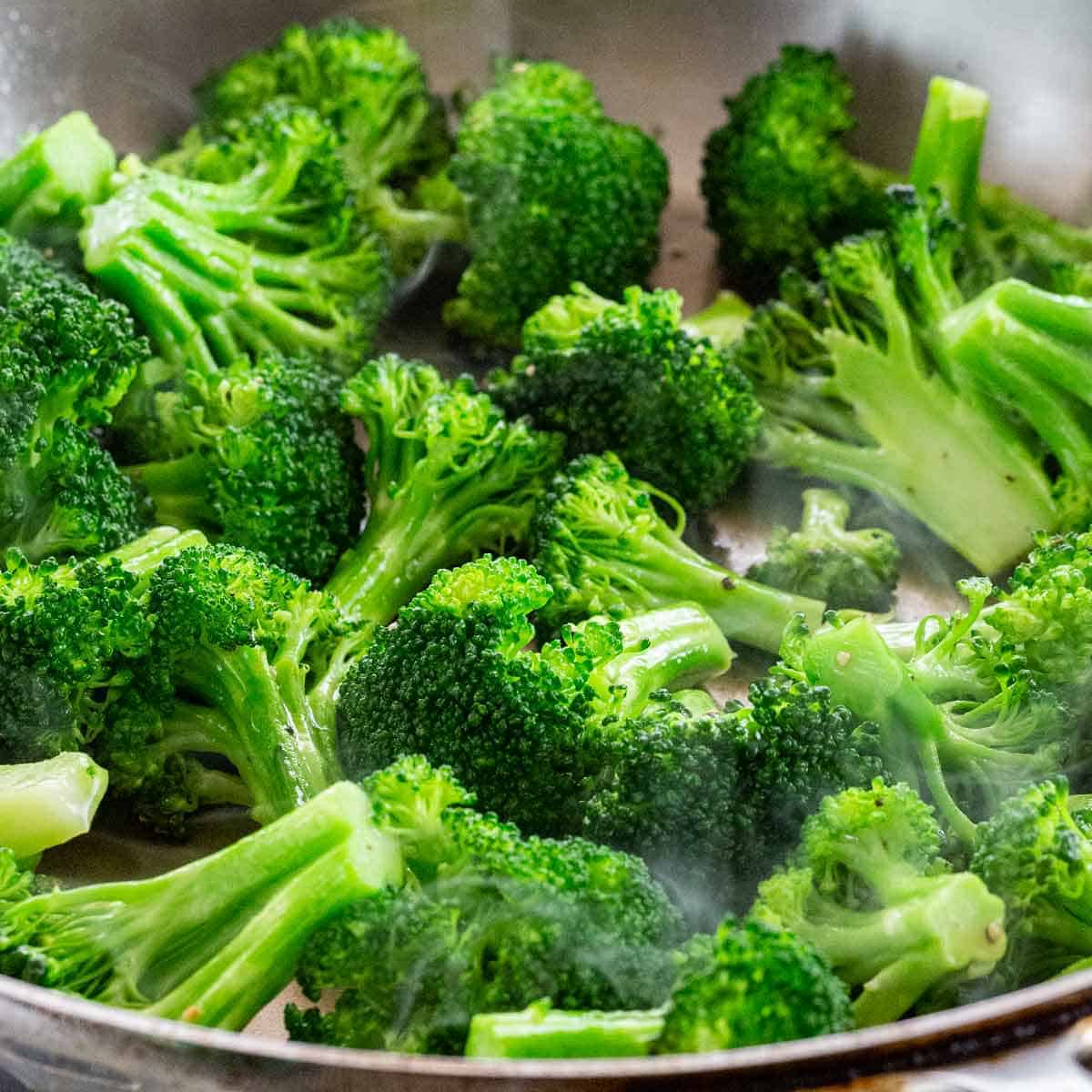
Cooking Methods for Broccoli: A Guide to Healthy and Delicious Meals
Broccoli, a nutrient-packed cruciferous vegetable, has long been celebrated for its numerous health benefits. Packed with vitamins, minerals, fiber, and antioxidants, this versatile veggie can be a delicious addition to any meal. Cooking broccoli correctly is essential not only for preserving its nutritional value but also for enhancing its taste and texture. In this article, we will explore various cooking methods for broccoli that will help you create healthy and flavorful dishes.
1. Steaming:
Steaming is one of the best ways to cook broccoli while retaining its nutrients. This method involves placing the florets in a steamer basket over boiling water until they are tender yet still crisp. Steaming preserves the vibrant green color of broccoli while ensuring it remains crunchy. To add extra flavor, you can season your steamed broccoli with a sprinkle of sea salt or drizzle it with lemon juice.
2. Boiling:
Boiling may not preserve as many nutrients as steaming does but can still result in tender and tasty broccoli if done correctly. To boil broccoli, bring a pot of water to a boil and add the florets into it. Cook them until they are bright green and easily pierced with a fork (usually around 3-4 minutes). Be cautious not to overcook them as this may cause them to become mushy or lose their color.
3. Roasting:
Roasting is an excellent option if you prefer your vegetables slightly crispy with intensified flavors. Preheat your oven to 425°F (220°C) and toss bite-sized broccoli florets in olive oil along with your desired seasonings such as garlic powder or smoked paprika. Spread them evenly on a baking sheet lined with parchment paper or aluminum foil and roast for about 20-25 minutes until they turn golden brown at the edges.
4. Stir-Frying:
Stir-frying allows you to quickly cook broccoli while retaining its crunchiness and nutritional value. Heat a small amount of oil (such as sesame or olive oil) in a pan over medium-high heat. Add the florets and stir-fry for 2-3 minutes until they are bright green and crisp-tender. To enhance the flavors, you can add other vegetables like bell peppers or mushrooms, along with some soy sauce or ginger.
5. Grilling:
Grilling broccoli adds a smoky flavor that pairs well with various dishes. Preheat your grill to medium-high heat and brush the florets with olive oil or marinade them for extra flavor. Place them directly on the grill grates, turning occasionally, until they have grill marks and are tender-crisp (approximately 5-7 minutes). Grilled broccoli makes an excellent side dish or can be added to salads or pasta dishes.
6. Blanching:
Blanching is a quick cooking method that involves immersing broccoli in boiling water for a short time before transferring it to ice water to stop the cooking process. This technique helps retain color, texture, and nutrients while slightly softening the vegetable. Bring a pot of water to boil and add salt if desired. Drop in your trimmed florets for about 2 minutes before immediately transferring them into ice water to preserve their bright green color.
7. Microwaving:
Microwaving may not be everyone’s favorite cooking method due to concerns about nutrient loss; however, it can be convenient when you’re short on time. Place your washed florets in a microwave-safe dish with a small amount of water and cover it loosely with plastic wrap or use microwave-safe lids designed for steaming vegetables. Cook on high power for approximately 4-5 minutes until they are tender but still firm.
8: Raw:
While most people prefer cooked broccoli, enjoying it raw is also an option worth considering! Eating raw broccoli ensures you get all the nutrients it offers, as heat can sometimes degrade certain vitamins. Raw broccoli adds a refreshing crunch to salads, slaws, or veggie trays. To make raw broccoli more palatable, you can marinate it in lemon juice or toss it with your favorite dressing.
In conclusion, there are several cooking methods for broccoli that cater to different tastes and preferences. Steaming and blanching retain the most nutrients while preserving its vibrant color and crunchiness. Roasting and grilling add depth of flavor and crispiness to the vegetable. Stir-frying provides a quick and flavorful option, while boiling is simple but requires careful timing. Microwaving may be convenient for some but might result in slight nutrient loss. Lastly, enjoying raw broccoli is an excellent way to obtain maximum nutritional benefits.
Experiment with these cooking methods based on your desired taste and texture preferences. By incorporating more broccoli into your diet through these various cooking techniques, you’ll not only enjoy a range of delightful flavors but also reap the numerous health benefits this superfood has to offer.

Leave a Reply