Matcha, a finely powdered green tea with numerous health benefits, has gained popularity in recent years. Its unique flavor and vibrant green color make it a favorite among tea enthusiasts. But have you ever wondered how matcha is cultivated? In this article, we will delve into the techniques used to grow this delicate tea and bring it from the fields to your cup.
The cultivation of matcha begins with selecting the right location for the tea plants. Matcha thrives in shaded environments as it enhances the production of chlorophyll and amino acids, giving it its distinct taste and color. Farmers carefully choose areas that provide ample shade, such as hillsides or regions protected by trees.
Once the ideal location is determined, farmers begin preparing the soil for planting. Matcha plants require well-drained soil rich in organic matter. The soil is tilled and composted before young tea seedlings are transplanted into carefully spaced rows.
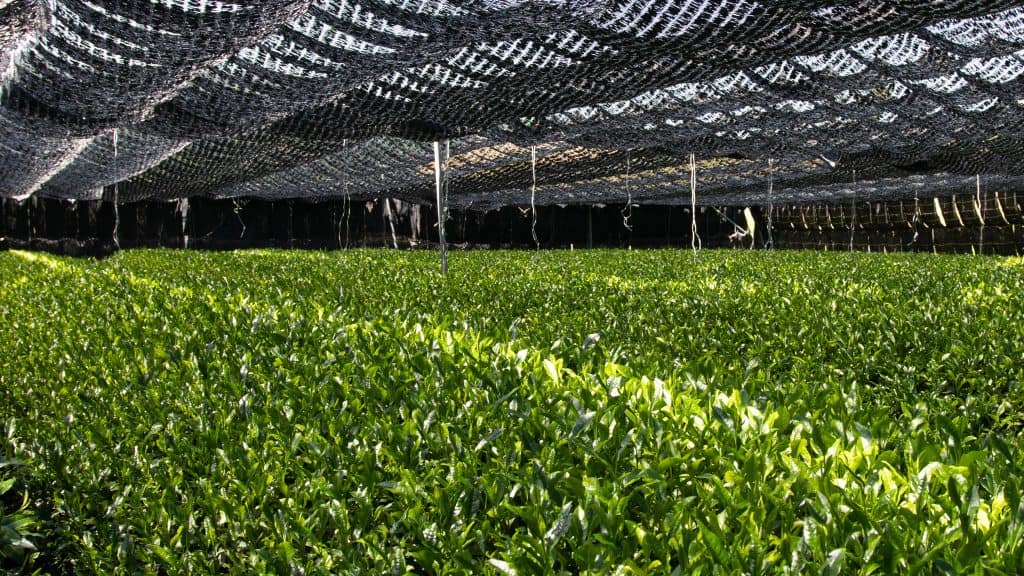
One of the most crucial steps in matcha cultivation is shading. About four weeks before harvesting, bamboo screens or straw mats are placed above the tea plants to reduce sunlight exposure by up to 90%. This process stimulates an increase in chlorophyll production while decreasing catechin levels, resulting in a sweeter flavor profile.
As harvest time approaches, only young leaves at their peak growth stage are plucked by hand. These tender leaves contain higher concentrations of amino acids which contribute to matcha’s unique umami taste. After plucking, they are steamed briefly to prevent oxidation before being air-dried or dried using hot air convection methods.
To create matcha powder, these dried leaves undergo an intricate grinding process using traditional stone mills known as “Ishiusu.” The slow rotation of these granite mills ensures that each leaf particle becomes fine powder without losing its nutrients or changing its composition.
Finally, after all these meticulous steps have been completed, pure matcha powder is ready for consumption! Its vibrant green color, smooth texture, and earthy flavor make it a versatile ingredient used in various culinary creations like lattes, smoothies, or desserts.
In conclusion, matcha cultivation requires careful selection of location, soil preparation, shading techniques, and handpicking of young leaves. These meticulous steps contribute to the unique taste and quality that matcha enthusiasts appreciate. So next time you savor a cup of matcha tea or indulge in a matcha-flavored treat, remember the dedicated farmers who cultivate this beloved green powder.

Leave a Reply