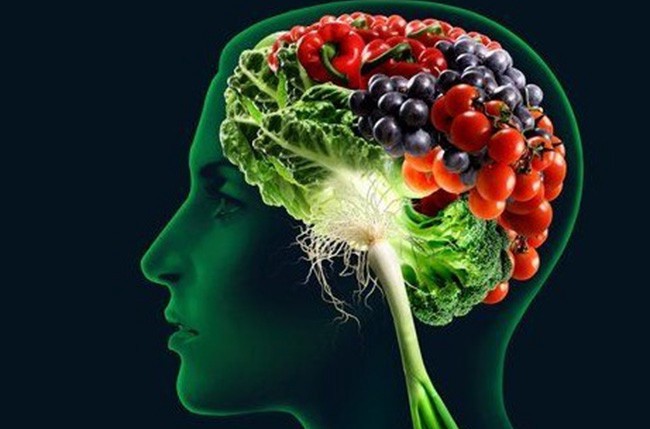
Antioxidants and Brain Health: Nourishing Your Mind for Optimal Function
In today’s fast-paced world, our brains are constantly bombarded with information and stimuli. From juggling work deadlines to managing personal relationships, it’s no wonder that mental fatigue and cognitive decline have become increasingly common. However, there is a growing body of research suggesting that antioxidants may hold the key to maintaining optimal brain health.
What are Antioxidants?
Before we delve into their impact on brain health, let’s first understand what antioxidants are. Antioxidants are substances that help protect our bodies against free radicals – unstable molecules that can cause damage to cells through a process called oxidative stress. Free radicals can arise from various sources such as pollution, smoking, excessive alcohol consumption, and even normal metabolic processes.
To counteract these harmful effects, our bodies produce natural antioxidants like glutathione and superoxide dismutase (SOD). Additionally, we can obtain antioxidants from external sources such as fruits, vegetables, nuts, seeds, and certain supplements.
The Link Between Oxidative Stress and Brain Aging
As we age or expose ourselves to lifestyle factors that increase oxidative stress levels in the body—such as poor diet or chronic inflammation—the brain becomes particularly vulnerable to damage caused by free radicals. This damage has been strongly linked to neurodegenerative diseases like Alzheimer’s disease and Parkinson’s disease.
Oxidative stress not only directly damages brain cells but also triggers inflammatory responses within the central nervous system. This chronic inflammation further contributes to the progression of neurodegenerative diseases by accelerating cell death and impairing overall cognitive function.
The Role of Antioxidants in Protecting Brain Cells
Antioxidants play a crucial role in neutralizing free radicals before they can cause significant harm in the brain. By donating an electron or hydrogen atom to stabilize these unstable molecules without becoming reactive themselves, antioxidants effectively break the chain reaction initiated by oxidation.
Moreover, antioxidants possess anti-inflammatory properties that can help alleviate the damaging effects of chronic inflammation in the brain. By reducing inflammation, antioxidants may slow down or even prevent the progression of neurodegenerative diseases.
Key Antioxidants for Brain Health
Several antioxidants have shown promising results in maintaining brain health and function. Let’s explore some of them:
1. Vitamin E: Known for its potent antioxidant properties, vitamin E has been extensively studied for its impact on brain health. It acts as a fat-soluble antioxidant, protecting cell membranes from oxidation. Research suggests that adequate intake of vitamin E may reduce the risk of cognitive decline and Alzheimer’s disease.
2. Vitamin C: This water-soluble vitamin is well-known for boosting immune function but also plays a crucial role in brain health. As an antioxidant, it helps regenerate other antioxidants like vitamin E and glutathione while combating free radicals within both blood plasma and brain tissue.
3. Flavonoids: These plant compounds are found abundantly in fruits, vegetables, dark chocolate, tea, and red wine (in moderation). Flavonoids exhibit powerful antioxidant and anti-inflammatory properties that have been associated with improved cognitive function and reduced risk of neurodegenerative diseases.
4. Omega-3 Fatty Acids: While not directly classified as antioxidants, omega-3 fatty acids—particularly docosahexaenoic acid (DHA)—have demonstrated significant benefits to brain health. DHA is a vital component of neuronal membranes and supports overall cognitive function by reducing oxidative stress and inflammation within the brain.
5. Resveratrol: Found in grapes, berries, peanuts, and red wine (again in moderation), resveratrol has gained attention due to its potential neuroprotective effects against age-related disorders including Alzheimer’s disease. It activates various protective pathways within the brain cells while scavenging free radicals.
Incorporating Antioxidants into Your Diet
To reap the benefits of antioxidants for brain health, it’s essential to incorporate a variety of antioxidant-rich foods into your diet. Here are some tips to get you started:
1. Eat a Rainbow: Include a wide range of colorful fruits and vegetables in your meals. Aim for at least five servings per day, focusing on berries, leafy greens, tomatoes, bell peppers, and citrus fruits.
2. Opt for Healthy Fats: Incorporate omega-3 rich foods like fatty fish (salmon, mackerel), walnuts, chia seeds, and flaxseeds into your diet regularly.
3. Savor Dark Chocolate: Choose dark chocolate with at least 70% cocoa content as an occasional treat. It contains high levels of flavonoids that can benefit brain health.
4. Hydrate with Tea: Green tea and black tea are excellent sources of flavonoids known for their antioxidant properties. Enjoy them hot or cold throughout the day.
5. Consider Supplements: If you struggle to meet your antioxidant needs through food alone or have specific dietary restrictions, consult with a healthcare professional about incorporating supplements like vitamin E or omega-3 fatty acids into your routine.
It’s important to note that while antioxidants play a crucial role in maintaining brain health, they are not a standalone solution. A balanced diet rich in other essential nutrients combined with regular exercise and adequate sleep is equally vital for overall cognitive function.
The Bottom Line
Incorporating antioxidants into our diets is an effective way to support brain health and protect against neurodegenerative diseases associated with oxidative stress and inflammation. By consuming foods rich in vitamins E and C, flavonoids, omega-3 fatty acids, and resveratrol along with maintaining healthy lifestyle habits overall—our brains can thrive even amidst the challenges of modern life.
Remember that nourishing our minds starts from within – by making conscious choices to fuel ourselves with the nutrients we need for optimal brain function. So, let’s embrace antioxidant-rich foods and make brain health a priority on our journey towards overall well-being.

Leave a Reply