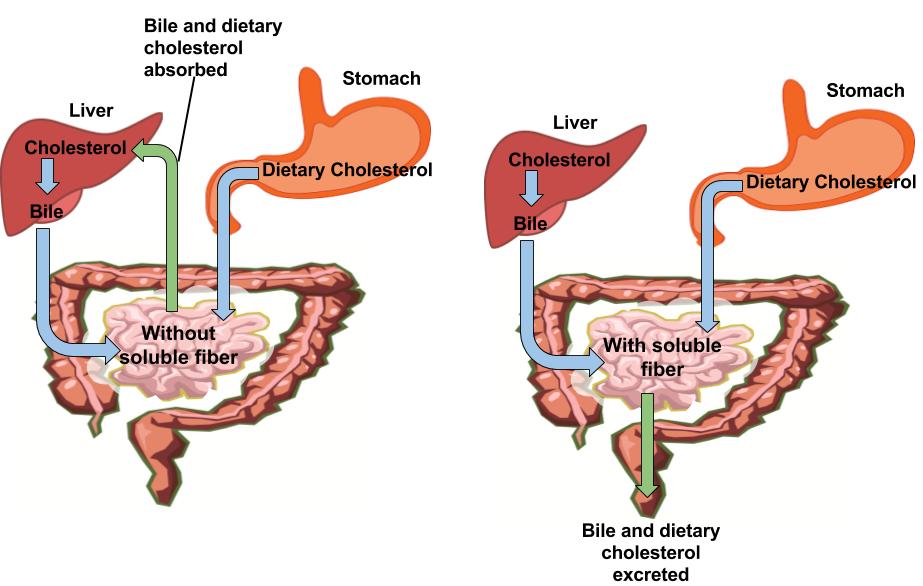
The Role of Soluble Fiber in Reducing Cholesterol Levels
Fiber is an essential nutrient that plays a crucial role in maintaining overall health. Among its many benefits, fiber has been shown to effectively reduce cholesterol levels, particularly soluble fiber. Soluble fiber is a type of dietary fiber that dissolves in water and forms a gel-like substance in the digestive system.
When consumed regularly as part of a balanced diet, soluble fiber can help lower LDL (bad) cholesterol levels by binding to cholesterol particles and eliminating them from the body. This mechanism prevents the excessive absorption of cholesterol into the bloodstream, reducing the risk of heart disease and stroke.
Sources of soluble fiber include fruits such as apples, oranges, bananas, and strawberries. Vegetables like carrots, broccoli, and sweet potatoes are also rich sources. Additionally, oats, barley, lentils, beans, chia seeds, flaxseeds are excellent sources for those looking to increase their intake of soluble fiber.
Lesser-known Sources of Insoluble Fiber
While most people are aware of the benefits of insoluble fiber for promoting regular bowel movements and preventing constipation effectively; they may not be familiar with lesser-known sources. Insoluble fibers do not dissolve in water but add bulk to stools and aid digestion.
Some examples include bran from whole grains like wheat or rice bran cereal flakes. Other great options include nuts like almonds or walnuts which provide both healthy fats along with insoluble fibers.
Fiber-rich Foods for Managing Diabetes
For individuals managing diabetes or prediabetes conditions; incorporating high-fiber foods into their diet can help improve blood sugar control and insulin sensitivity while minimizing spikes after meals.
Choosing whole grain products instead of refined ones is key when it comes to managing diabetes through diet modification. Whole grain breads or pastas made from 100% whole wheat flour offer more beneficial nutrients than their white counterparts.
Other excellent choices for diabetics are vegetables such as broccoli, Brussels sprouts, kale, and spinach. These vegetables are low in calories and carbohydrates while being packed with fiber, vitamins, and minerals.
The Impact of Fiber on Gut Health and Digestion
Fiber plays a crucial role in maintaining a healthy gut by promoting regular bowel movements and preventing digestive disorders like constipation or diarrhea. It also acts as prebiotics, providing nourishment to beneficial gut bacteria.
Increasing fiber intake can enhance digestion by adding bulk to stools; thus easing their passage through the intestines. This helps prevent issues such as hemorrhoids or diverticulosis.
High-Fiber Snacks for Weight Loss
For those looking to shed some extra pounds; incorporating high-fiber snacks into their diet plan can be an effective strategy for weight loss. High-fiber snacks not only provide satiety but also help regulate blood sugar levels throughout the day.
Some popular high-fiber snack options include air-popped popcorn which is low in calories but high in fiber content. Fresh fruits like apples or pears paired with nut butter are another great choice that combines both soluble and insoluble fibers along with healthy fats.
Fiber Supplements: Pros and Cons
While it’s always best to obtain nutrients from whole foods; fiber supplements can be helpful for individuals who struggle to meet their daily recommended intake through diet alone. However, it’s essential to consult with a healthcare professional before starting any supplementation regimen.
Pros of fiber supplements include convenience and ease of use. They can be easily incorporated into one’s routine without requiring significant dietary changes or meal planning efforts. Additionally, they may provide relief from symptoms associated with certain conditions like irritable bowel syndrome (IBS).
However, it’s important to note that fiber supplements should not replace whole foods entirely as they lack other essential nutrients found naturally in food sources. Moreover, consuming excessive amounts of fiber supplements without adequate hydration may lead to bloating or abdominal discomfort.
How to Increase Fiber Intake Without Bloating
While fiber is essential for overall health, some individuals may experience bloating or discomfort when increasing their fiber intake. However, there are strategies to minimize these symptoms and reap the benefits of a high-fiber diet.
Firstly, it’s crucial to increase fiber intake gradually over a period of several weeks; allowing the body time to adjust. Drinking plenty of water throughout the day also helps prevent constipation and aids in proper digestion.
Additionally, cooking vegetables or soaking legumes before consumption can help make them easier to digest. Chewing food thoroughly and eating slowly can also aid in digestion by breaking down fibers more effectively.
The Connection Between Fiber and Heart Health
Numerous studies have shown a strong correlation between high-fiber diets and improved heart health. Soluble fiber has been found particularly effective in reducing LDL cholesterol levels, which is a significant risk factor for heart disease.
Consuming foods rich in soluble fiber such as oats, beans, lentils, fruits, and vegetables can help lower blood pressure levels while improving overall lipid profiles. Additionally, the anti-inflammatory properties of dietary fiber contribute further to cardiovascular health promotion.
Fiber-rich Options for Gluten-free Diets
For individuals following gluten-free diets due to celiac disease or gluten sensitivity; incorporating enough dietary fiber can be challenging since many traditional sources are wheat-based. However, several alternative options exist that provide both gluten-free choices along with ample amounts of fiber.
Quinoa is an excellent choice as it contains both soluble and insoluble fibers while being naturally gluten-free. Other great options include brown rice or amaranth which are versatile grains packed with beneficial nutrients including dietary fibers.
Furthermore; nuts like almonds or pistachios offer healthy fats along with fibrous content making them ideal snacks for those on gluten-free diets seeking additional dietary fibers.
Fiber Content in Different Types of Rice and Grains
Different types of rice and grains vary significantly when it comes to their fiber content. Brown rice, for example, is a whole grain that retains its bran and germ layers; thus providing more nutrients including dietary fibers.
On the other hand, white rice undergoes processing that removes these nutrient-rich layers; resulting in reduced fiber content. However, some manufacturers now produce enriched white rice by adding back essential nutrients including fiber after processing.
Similarly, different grains such as quinoa or bulgur offer higher amounts of dietary fibers compared to refined grains like couscous or white bread. Choosing whole grain options over refined ones is crucial for maximizing fiber intake.
Fiber-rich Smoothie Recipes for a Quick Boost of Nutrients
Smoothies are an excellent way to incorporate a variety of high-fiber foods into one’s diet while enjoying a refreshing and nutritious beverage. By combining fruits, vegetables, and additional sources of fiber like chia seeds or flaxseeds; smoothies can provide a quick boost of nutrients along with ample dietary fibers.
One delicious recipe includes blending together spinach, banana, almond milk, chia seeds, and a spoonful of nut butter. Another option could be mixing strawberries, kale leaves, Greek yogurt (or plant-based alternative), oats soaked overnight in almond milk along with honey or maple syrup for added sweetness.
The Benefits of Incorporating More Legumes into Your Diet for Fiber Intake
Legumes such as beans (black beans, kidney beans), lentils (red lentils or green/brown lentils), chickpeas (garbanzo beans) are excellent sources of both soluble and insoluble fibers. They are also rich in protein making them an ideal choice for vegetarians or vegans looking to increase their overall nutrient intake.
Incorporating more legumes into the diet not only helps meet daily recommended fiber goals but also provides numerous health benefits like improved heart health and weight management due to their ability to promote satiety while being low in fat.
Fiber-rich Alternatives to Traditional Breakfast Cereals
Many traditional breakfast cereals are often highly processed and lack adequate amounts of dietary fiber. However, several alternatives offer higher fiber content without sacrificing taste or convenience.
Choosing whole grain options like oatmeal or bran flakes instead of sugary cereals can provide a significant boost in fiber intake. Adding fresh fruits, nuts, or seeds to these cereals further enhances their nutritional value.
Another delicious and high-fiber option is homemade granola made with rolled oats, nuts, seeds (like chia or flaxseeds), and dried fruits. This allows for more control over the ingredients while ensuring a nutrient-dense meal to start the day.
How to Cook Vegetables to Retain Their Fiber Content
Cooking vegetables properly is essential not only for preserving their flavor but also for retaining their valuable nutrients including dietary fibers. Overcooking can lead to nutrient loss; thus it’s important to follow certain guidelines when preparing vegetables.
Steaming or lightly sautéing vegetables rather than boiling them helps maintain their fibrous content. Additionally, leaving the skins on when appropriate (such as potatoes) provides additional dietary fibers that would otherwise be lost during peeling.
The Effects of Cooking Methods on the Fiber Content in Foods
Different cooking methods can have varying effects on the fiber content in foods. For example, boiling vegetables may cause some soluble fibers to leach into the cooking water; resulting in reduced overall fiber intake if this water is discarded.
On the other hand; baking or roasting vegetables at moderate temperatures helps retain both soluble and insoluble fibers while enhancing flavors through caramelization processes.
It’s important to note that while some heat-sensitive vitamins may be lost during cooking; most of the fiber content remains intact regardless of how food is prepared unless excessive processing occurs which strips off outer layers containing most fibrous compounds.
The Importance of Water Consumption When Increasing Fiber Intake
When increasing fiber intake, it’s crucial to drink plenty of water throughout the day. Fiber absorbs water in the digestive tract; creating bulk and promoting regular bowel movements.
Without adequate hydration, consuming a high-fiber diet can lead to constipation and discomfort. Aim for at least 8 cups (64 ounces) of water per day or more if engaging in physical activity or living in hot climates.
High-Fiber Options for Vegan and Vegetarian Diets
For individuals following vegan or vegetarian diets; there are numerous high-fiber options available that provide plant-based sources of this essential nutrient.
Legumes such as lentils, chickpeas, black beans, or edamame are excellent choices that offer both protein and dietary fibers. Quinoa is another versatile grain packed with fiber along with other beneficial nutrients.
Additionally, vegetables like broccoli, Brussels sprouts, artichokes, kale, and spinach provide ample amounts of dietary fibers while being low in calories. Nuts and seeds like almonds or chia seeds also offer healthy fats along with fibrous content making them ideal snacks for vegans and vegetarians seeking additional dietary fibers.
The Impact of High-Fiber Foods on Satiety and Hunger Control
High-fiber foods have been shown to promote satiety (feeling full) by slowing down digestion processes due to their bulk-forming properties. This effectively helps control hunger levels; making it easier to maintain a healthy weight or achieve weight loss goals.
Foods rich in both soluble and insoluble fibers tend to be more filling than low-fiber options since they take longer to digest; keeping us satisfied for longer periods after meals. By incorporating these foods into our daily diet routine; we can better manage appetite levels while providing essential nutrients at the same time.
How to Incorporate More Whole Grains into Your Daily Meals
Incorporating more whole grains into daily meals is relatively easy once you know which foods fall into this category. Whole grains include options like brown rice, quinoa, whole wheat bread or pasta, oats, barley, and millet.
One simple way to incorporate more whole grains is by replacing refined grain products with their whole grain counterparts. For example; choosing whole wheat bread instead of white bread or brown rice instead of white rice.
Additionally; incorporating cooked quinoa or bulgur into salads provides a nutrient-dense meal option while boosting fiber intake at the same time. Mixing oats with yogurt and fresh fruits makes for a quick and nutritious breakfast choice as well.
Fiber-rich Options for Individuals with Food Allergies or Sensitivities
For individuals with food allergies or sensitivities who need to avoid certain foods while still meeting their fiber requirements; there are many alternatives available that provide ample amounts of dietary fibers without triggering adverse reactions.
Gluten-free grains such as amaranth, buckwheat groats (not to be confused with processed buckwheat), or teff are excellent choices that offer both versatility and high-fiber content. These grains can be used in place of gluten-containing grains like wheat or barley in various recipes including porridges, soups, salads, or baked goods.
Furthermore; fruits like raspberries, avocados (yes! they contain dietary fibers too), kiwi fruit along with vegetables such as kale leaves provide additional sources of fiber that can easily be incorporated into meals without triggering allergies/sensitivities.
In conclusion; incorporating sufficient amounts of dietary fiber into our daily diet routine is crucial for maintaining overall health and preventing numerous chronic diseases. By understanding the different types of fiber-rich foods available along with alternative options for specific dietary needs; we can ensure an adequate intake that supports optimal wellness.

Leave a Reply