Incorporating Fermented Foods into a Paleo Eating Plan
The Paleo diet, also known as the caveman diet, is based on the principle of eating foods that our ancient ancestors would have consumed. This means focusing on whole, unprocessed foods and avoiding grains, legumes, and dairy products. While the Paleo diet has gained popularity for its health benefits, it can sometimes be challenging to find variety within its restrictions. One way to add flavor and nutritional value to a Paleo eating plan is by incorporating fermented foods.
Fermentation is an age-old preservation method that enhances the taste and shelf life of food while also providing numerous health benefits. Fermented foods are rich in probiotics – live bacteria and yeasts that promote gut health by aiding digestion and supporting a healthy immune system. By including fermented foods in your Paleo diet, you can boost your digestive health and overall well-being.
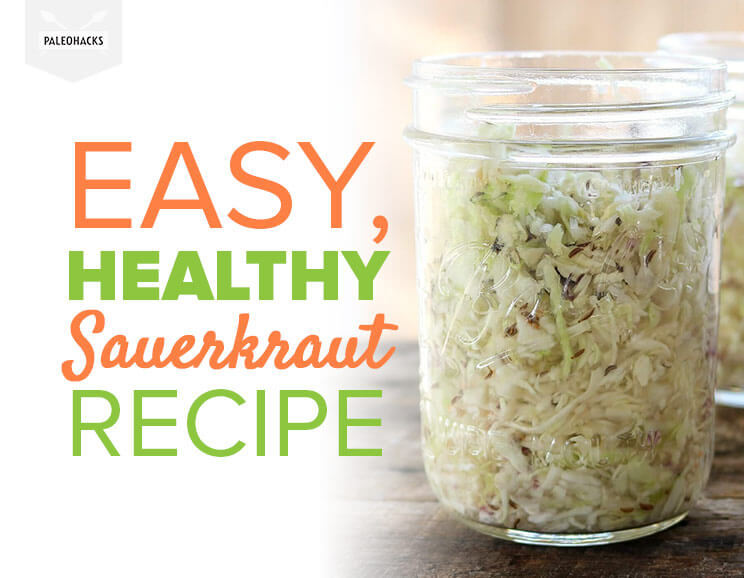
One popular fermented food option for those following a Paleo eating plan is sauerkraut. Made from shredded cabbage that has been fermented with salt or brine, sauerkraut is not only delicious but also packed with nutrients like vitamins C and K. It’s important to choose sauerkraut brands that don’t contain any added sugars or preservatives to ensure they align with the principles of the Paleo diet.
Kombucha is another fantastic addition to a Paleo eating plan. This tangy beverage is made from fermenting tea with sugar using a culture of bacteria and yeast known as SCOBY (symbiotic culture of bacteria and yeast). The fermentation process breaks down much of the sugar content in kombucha, making it suitable for those following a low-sugar or no-sugar approach within their Paleo diet.
If you’re looking for something creamy to incorporate into your meals while still staying true to your Paleo lifestyle, consider adding coconut yogurt or milk kefir made from coconut milk into your daily routine. These dairy-free alternatives offer the benefits of probiotics without any dairy, making them perfect for Paleo followers who have eliminated lactose from their diet.
In addition to sauerkraut, kombucha, and coconut-based fermented products, there are other options that can be incorporated into a Paleo eating plan. Kimchi, a traditional Korean dish made from fermented vegetables like cabbage and radishes with spices, provides a flavorful kick to meals. Fermented pickles made from cucumbers or other vegetables are also excellent choices for adding variety to your Paleo diet.
When selecting fermented foods to include in your Paleo eating plan, it’s crucial to read labels carefully. Many store-bought fermented products contain added sugars or preservatives that may not align with the principles of the Paleo diet. Opting for homemade versions or brands that adhere strictly to natural ingredients will ensure you’re getting maximum health benefits while staying true to your dietary goals.
In conclusion, incorporating fermented foods into a Paleo eating plan can provide numerous health benefits while adding flavor and variety to your meals. From sauerkraut and kombucha to coconut yogurt and kimchi – there is no shortage of delicious options available. By including these probiotic-rich foods in your daily routine, you’ll support gut health and overall well-being on your journey towards optimal nutrition within the framework of the Paleo lifestyle.

Leave a Reply