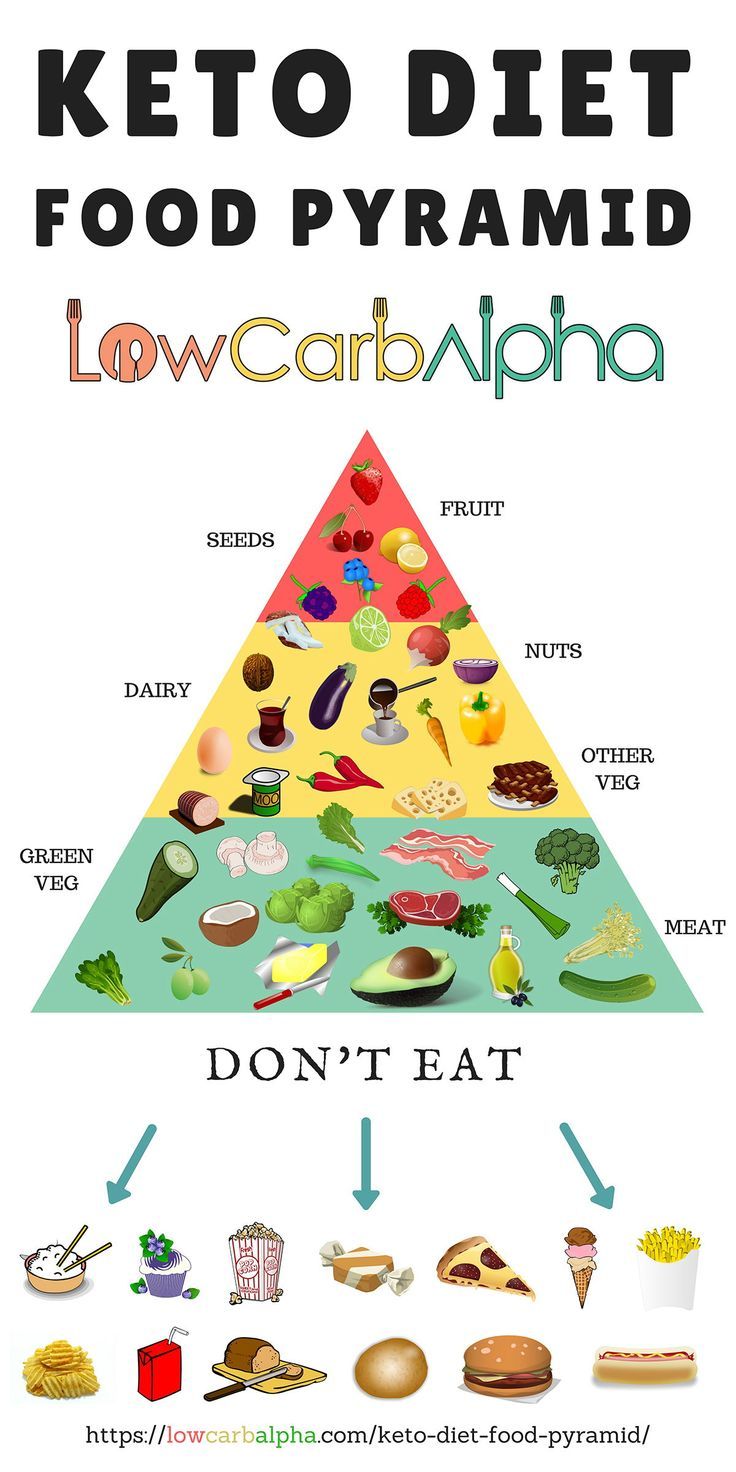
The Paleo diet, also known as the Paleolithic or caveman diet, has gained popularity in recent years for its focus on consuming whole, unprocessed foods that mimic the dietary patterns of our ancestors. While it may seem restrictive to some, many people have found success with this way of eating and have reported improvements in various aspects of their health.
One area where the Paleo diet has shown promise is in managing autoimmune diseases. These are conditions where the immune system mistakenly attacks healthy cells in the body. The Paleo diet eliminates common trigger foods such as grains, legumes, dairy products, and processed sugars that can contribute to inflammation and worsen symptoms of autoimmune diseases. By focusing on nutrient-dense foods like vegetables, fruits, lean meats, and healthy fats, individuals following a Paleo lifestyle may experience reduced inflammation and improved overall well-being.
Organ meats play a significant role in the Paleo diet due to their rich nutrient content. They are high in vitamins A, D, E, K2, B12 as well as minerals like iron and zinc. These nutrients are essential for supporting optimal health and can be particularly beneficial for those with autoimmune diseases who may have deficiencies due to malabsorption issues or restricted diets. Incorporating organ meats like liver or heart into your meals can help ensure you’re getting these vital nutrients while following a paleo eating plan.
In addition to organ meats’ nutritional value within a Paleolithic lifestyle is incorporating fermented foods into your diet. Fermented foods such as sauerkraut or kimchi contain probiotics that promote gut health by introducing beneficial bacteria into your digestive system. A healthy gut microbiome is crucial for maintaining overall wellness and plays an integral role in managing autoimmune diseases since 70-80% of our immune system resides within our gut.
Athletes looking to optimize performance can also benefit from adopting a paleo approach. The emphasis on high-quality proteins helps support muscle repair and growth while healthy fats provide a sustained energy source. By focusing on whole, unprocessed foods, athletes can fuel their bodies with nutrient-dense options that promote optimal performance and recovery.
Another area where the Paleo diet shines is in improving gut health. The elimination of processed foods, chemicals, and added sugars commonly found in the modern diet helps reduce inflammation and supports a healthy gut microbiome. Additionally, the inclusion of fiber-rich vegetables and fruits provides prebiotics which feed beneficial bacteria in the digestive system.
The ketogenic aspect of Paleo has gained attention for its potential benefits in weight loss and metabolic health. By significantly reducing carbohydrate intake and increasing fat consumption, the body enters a state of ketosis where it primarily burns fat for fuel instead of carbohydrates. This can lead to increased satiety, improved insulin sensitivity, and enhanced fat-burning capabilities.
Dietary choices also play a role in mental health and mood disorders. The Paleo diet’s focus on nutrient-dense whole foods can support brain health by providing essential vitamins (such as B vitamins), minerals (such as magnesium), healthy fats (like omega-3 fatty acids), and antioxidants that nourish brain cells while reducing inflammation.
While the traditional Paleo diet includes animal products like meat, eggs, and fish, it is possible to navigate a vegetarian or vegan version within this framework. Emphasizing plant-based sources of protein such as legumes, nuts/seeds, tofu/tempeh can help meet dietary needs while still adhering to paleo principles.
For those interested in fertility support or pregnancy within a Paleolithic lifestyle should prioritize nutrient-dense foods rich in vitamins A & D (found primarily in animal products) along with adequate protein intake for hormonal balance & reproductive function.
Managing food allergies within a Paleo framework may seem challenging at first since many common allergens are eliminated from this way of eating. However, there are numerous alternatives available including gluten-free grains like quinoa or buckwheat, dairy-free options like coconut or almond milk, and nut/seed-based flours for baking.
Bone broth is a staple in the Paleo diet due to its rich collagen content which supports joint health, gut healing, and skin elasticity. It also provides essential amino acids like glycine and proline that are necessary for overall health.
Concerns about high meat consumption can arise when following a Paleo diet due to potential environmental impacts or perceived risks associated with red meat intake. However, it’s important to prioritize sustainably sourced meats from local farms that practice ethical animal husbandry while also incorporating plant-based protein sources into your meals.
The impact of the Paleo diet on cholesterol levels and heart health has been a subject of debate. While some studies have shown improvements in lipid profiles with this eating approach (likely due to reduced intake of processed foods), individuals with pre-existing conditions should consult with their healthcare provider before making any drastic dietary changes.
Seaweed and sea vegetables are excellent additions to a Paleolithic lifestyle as they provide essential minerals including iodine that support thyroid function. They can be used in soups, salads, or snacks for added nutrition.
Alternative sweeteners such as stevia or monk fruit extract can be used sparingly within a sugar-free paleo approach since they do not raise blood sugar levels but still offer sweetness without the negative effects associated with refined sugars.
Intermittent fasting is compatible with the Paleolithic lifestyle as it aligns with our ancestors’ eating patterns where food availability was limited. Fasting periods allow the body to rest and repair while promoting fat burning and metabolic flexibility.
Adapting the Paleo diet for children and picky eaters may require some creativity but is entirely feasible. Focus on nutrient-dense foods like fruits, vegetables, lean proteins, healthy fats while introducing new flavors gradually over time.
Sustainable sourcing practices are crucial when following a Paleolithic lifestyle to minimize environmental impact. Choose organic produce whenever possible, opt for grass-fed or pasture-raised animal products, and support local farmers who prioritize sustainable farming practices.
Spices and herbs play a vital role in enhancing flavor within a strict paleo eating plan. They can be used to season meats, vegetables, or homemade dressings while adding health-promoting compounds like antioxidants.
In conclusion, the Paleo diet offers various potential benefits across different aspects of health and wellness. Whether you’re looking to manage autoimmune diseases, optimize sports performance, improve gut health or mental well-being, there are strategies within the Paleolithic framework that can be tailored to your specific needs. With proper planning and attention to nutrient-dense foods, it is possible to follow a vegetarian/vegan version of this way of eating. Overall, the Paleo diet encourages whole-food consumption while minimizing processed foods and promoting sustainable sourcing practices for long-term health benefits.

Leave a Reply