Tips for Shopping for Raw Foods on a Budget
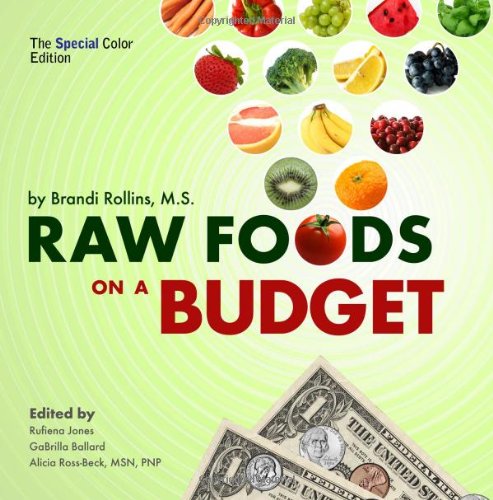
Eating raw foods has gained popularity in recent years due to its potential health benefits, including increased nutrient intake and improved digestion. However, some people may shy away from this lifestyle due to the perception that it can be expensive. While it’s true that purchasing fresh produce can sometimes strain your wallet, with a little planning and smart shopping strategies, you can enjoy a raw food diet without breaking the bank. In this article, we will share some valuable tips for shopping for raw foods on a budget.
1. Create a meal plan:
One of the most effective ways to save money when shopping for raw foods is by creating a weekly meal plan. By planning your meals in advance, you’ll have a clear idea of what ingredients you need and won’t end up buying unnecessary items that might go to waste. Additionally, having planned meals reduces the likelihood of ordering takeout or going out to eat — both of which are typically more expensive than cooking at home.
2. Shop local:
Local farmers’ markets are excellent places to find affordable raw foods while supporting small businesses and sustainable agriculture practices. Not only will you get fresher produce at better prices compared to many grocery stores but also have an opportunity to connect with local growers who often provide valuable insights into selecting and preparing different varieties of fruits and vegetables.
3. Buy in bulk:
Purchasing certain raw food staples in bulk is another way to save money over time. Items like nuts, seeds, dried fruits, grains (such as quinoa or buckwheat), legumes (like lentils or chickpeas), and spices tend to keep well if stored properly and offer cost savings when bought in larger quantities.
4. Take advantage of seasonal produce:
Seasonal fruits and vegetables are not only fresher but also more economical as they require fewer resources for cultivation and transportation compared to out-of-season options. Research what produce is in season in your region and plan your meals around those ingredients. Not only will you enjoy higher quality products, but you’ll also save money as seasonal produce tends to be more abundant and competitively priced.
5. Embrace frozen fruits and vegetables:
While fresh is often preferred, don’t overlook the benefits of frozen fruits and vegetables. They are equally nutritious since they are typically picked at peak ripeness and flash-frozen to retain their nutritional value. Frozen produce can be significantly cheaper than fresh items, especially when out-of-season or for varieties that spoil quickly. Having a selection of frozen fruits on hand is great for smoothies, while frozen veggies make excellent additions to stir-fries, soups, or stews.
6. Compare prices:
Before making a purchase, compare prices at different grocery stores or even online retailers if available in your area. Prices can vary considerably between establishments due to factors such as sourcing practices, brand popularity, or store size. Don’t hesitate to visit multiple stores if it means significant savings on your shopping bill.
7. Minimize waste:
Food waste not only harms the environment but also has a direct impact on your wallet. To reduce waste and make the most of your raw food purchases:
– Properly store perishable items like leafy greens by wrapping them in damp paper towels before placing them inside sealed containers.
– Use vegetable scraps (such as carrot tops or celery leaves) to make flavorful homemade broths.
– Freeze overripe fruits for later use in smoothies or baking recipes.
– Repurpose leftover cooked grains into salads or grain bowls.
– Get creative with leftovers by incorporating them into new dishes instead of discarding them.
8. Grow herbs at home:
Fresh herbs can add flavor and depth to raw food recipes but can sometimes be expensive when store-bought regularly. Consider growing popular herbs like basil, parsley, cilantro, mint, or rosemary indoors using pots near a sunny window or on a balcony. Not only will you have an abundant supply of fresh herbs at your fingertips, but it can also be a rewarding and therapeutic experience.
9. Utilize food co-ops:
Food cooperatives, or co-ops, are community-owned grocery stores that offer members access to affordable organic and locally sourced produce. By joining a co-op, you not only save money on raw foods but also contribute to supporting sustainable farming practices.
10. Don’t forget about foraging:
Foraging refers to the practice of gathering wild plants for food. While this may not be practical for everyone due to location or knowledge constraints, learning about edible plants in your area can provide opportunities to supplement your raw food diet with free and nutritious options like berries, mushrooms, greens, and herbs.
In conclusion, shopping for raw foods on a budget is entirely possible with some planning and strategic shopping techniques. Create meal plans, shop local and in bulk when possible, take advantage of seasonal produce and frozen options, compare prices between different establishments, minimize waste by repurposing leftovers creatively or growing herbs at home. Consider joining a food cooperative if available or exploring the possibility of foraging in your area. With these tips in mind, you’ll be able to enjoy the health benefits of a raw food diet without breaking the bank.

Leave a Reply