Fiber and Cholesterol Levels: A Comprehensive Guide
Maintaining healthy cholesterol levels is crucial for overall well-being. High cholesterol can lead to various cardiovascular diseases, such as heart attacks or strokes. While medications can help manage cholesterol levels, dietary changes play a significant role in preventing and managing this condition.
One key dietary component that has been shown to have a positive impact on cholesterol levels is fiber. Fiber is a type of carbohydrate found in plant-based foods that cannot be digested by the body. It passes through the digestive system intact, providing numerous health benefits along the way.
Understanding Cholesterol
Before delving into the relationship between fiber and cholesterol, it’s essential to understand what exactly cholesterol is and how it affects our bodies.
Cholesterol is a waxy substance produced by our liver and also obtained from certain foods we consume. It plays several vital roles in our bodies, including cell membrane structure formation and hormone production. However, when there’s an excess amount of low-density lipoprotein (LDL) cholesterol – often referred to as “bad” cholesterol – it can accumulate in the arteries, leading to plaque build-up known as atherosclerosis.
On the other hand, high-density lipoprotein (HDL) cholesterol – often called “good” cholesterol – helps remove LDL from the bloodstream by transporting it back to the liver for disposal. Therefore, maintaining higher HDL levels while keeping LDL levels in check is crucial for cardiovascular health.
The Role of Fiber
Dietary fiber comes in two forms: soluble and insoluble. Both types offer unique benefits but differ significantly regarding their effect on cholesterol levels.
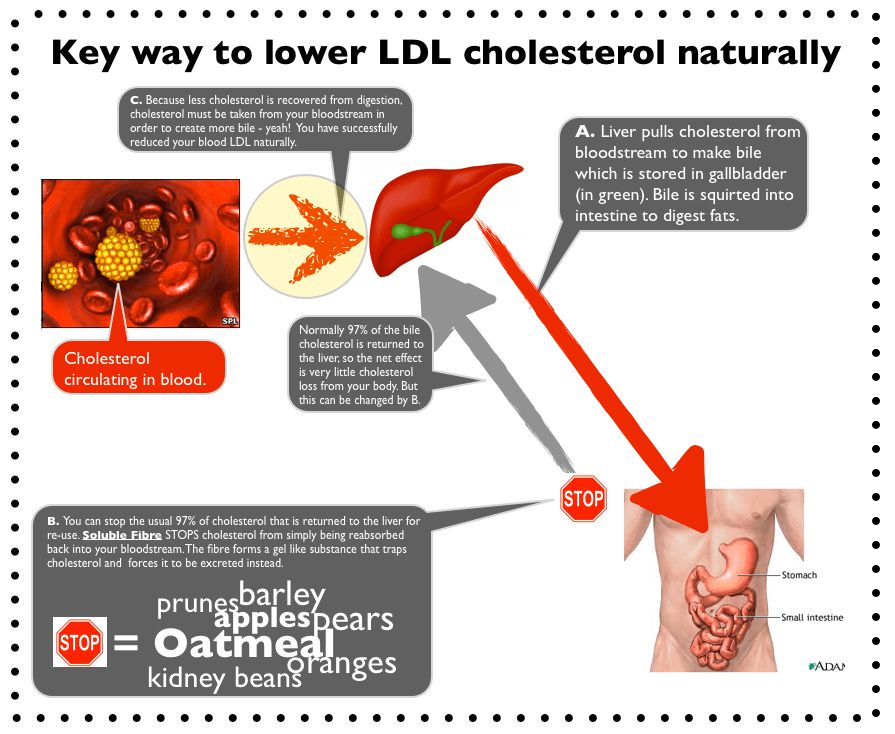
Soluble fiber dissolves in water and forms a gel-like substance during digestion. This type of fiber has demonstrated its ability to lower LDL (“bad”) cholesterol by binding with bile acids secreted by our liver that contain high amounts of cholesterol. By binding with these bile acids, soluble fiber prevents their reabsorption into the bloodstream, thereby reducing cholesterol levels.
Insoluble fiber, on the other hand, adds bulk to stools and aids in regular bowel movements. While it doesn’t directly affect cholesterol levels like soluble fiber does, it plays a crucial role in overall digestive health. A healthy digestive system allows for better absorption of nutrients and proper elimination of waste products from our bodies.
Foods High in Fiber
Now that we understand how fiber impacts cholesterol levels let’s explore some excellent sources of dietary fiber:
1. Fruits: Apples, strawberries, oranges, raspberries
2. Vegetables: Broccoli, carrots, Brussels sprouts
3. Whole Grains: Oats, barley, quinoa, brown rice
4. Legumes: Lentils, chickpeas, black beans
5. Nuts and Seeds: Almonds, chia seeds
Incorporating these foods into your diet can help increase your daily fiber intake and contribute to better cholesterol management.
Research Supporting the Role of Fiber
Numerous studies have investigated the relationship between dietary fiber intake and cholesterol levels over the years. Let’s explore some key findings:
1. A study published in The American Journal of Clinical Nutrition analyzed data from 67 controlled trials conducted between 1950 and 1999. The results demonstrated that an increased intake of dietary soluble fiber was associated with significant reductions in total LDL (“bad”) cholesterol levels.
2. Another study published in Circulation found that participants who consumed more whole grains – a rich source of insoluble fiber – had lower LDL (“bad”) cholesterol levels compared to those who consumed refined grains instead.
3. In a randomized controlled trial published by The Journal of Nutrition in 2018 involving 345 participants with high LDL cholesterol levels (≥160 mg/dL), researchers found that consuming psyllium husk – a type of soluble fiber – significantly reduced LDL cholesterol by an average of 4.8% compared to the control group.
These studies, along with many others, provide compelling evidence that incorporating fiber-rich foods into our diets can have a positive impact on managing cholesterol levels.
How Much Fiber Do You Need?
The recommended daily intake of dietary fiber varies depending on age and gender. The general guideline for adults is as follows:
– Men aged 50 or younger: Aim for at least 38 grams of fiber per day.
– Women aged 50 or younger: Aim for at least 25 grams of fiber per day.
– Men over the age of 50: Aim for at least 30 grams of fiber per day.
– Women over the age of 50: Aim for at least 21 grams of fiber per day.
It’s important to note that these are general recommendations, and individual needs may vary based on factors such as activity level and overall health.
Increasing Fiber Intake Safely
While increasing your daily fiber intake has numerous health benefits, it’s crucial to do so gradually. A sudden influx of high-fiber foods can cause bloating, gas, or gastrointestinal discomfort. Here are some tips to help you increase your fiber intake safely:
1. Start Slowly: Begin by adding small amounts of high-fiber foods to your meals and gradually increase them over time.
2. Stay Hydrated: Fiber absorbs water in the digestive system, so make sure you’re drinking enough fluids throughout the day to prevent constipation.
3. Diversify Your Sources: Incorporate a variety of fruits, vegetables, whole grains, legumes, nuts, and seeds into your diet to ensure you’re getting different types of fibers along with other essential nutrients.
4. Cook Legumes Thoroughly: If you include legumes in your diet – such as lentils or beans – be sure to cook them thoroughly as this helps break down their fibrous components and makes them easier to digest.
Conclusion
Incorporating fiber-rich foods into your diet is an excellent way to manage cholesterol levels and promote overall cardiovascular health. Soluble fiber has been shown to reduce LDL (“bad”) cholesterol levels by binding with bile acids, while insoluble fiber aids in digestive health.
Remember to consume a variety of fruits, vegetables, whole grains, legumes, nuts, and seeds to ensure you’re getting both soluble and insoluble fibers. Start slowly when increasing your fiber intake and drink plenty of fluids throughout the day for optimal digestion.
By making simple dietary changes and prioritizing fiber-rich foods, you can take proactive steps towards maintaining healthy cholesterol levels and supporting your overall well-being.

Leave a Reply