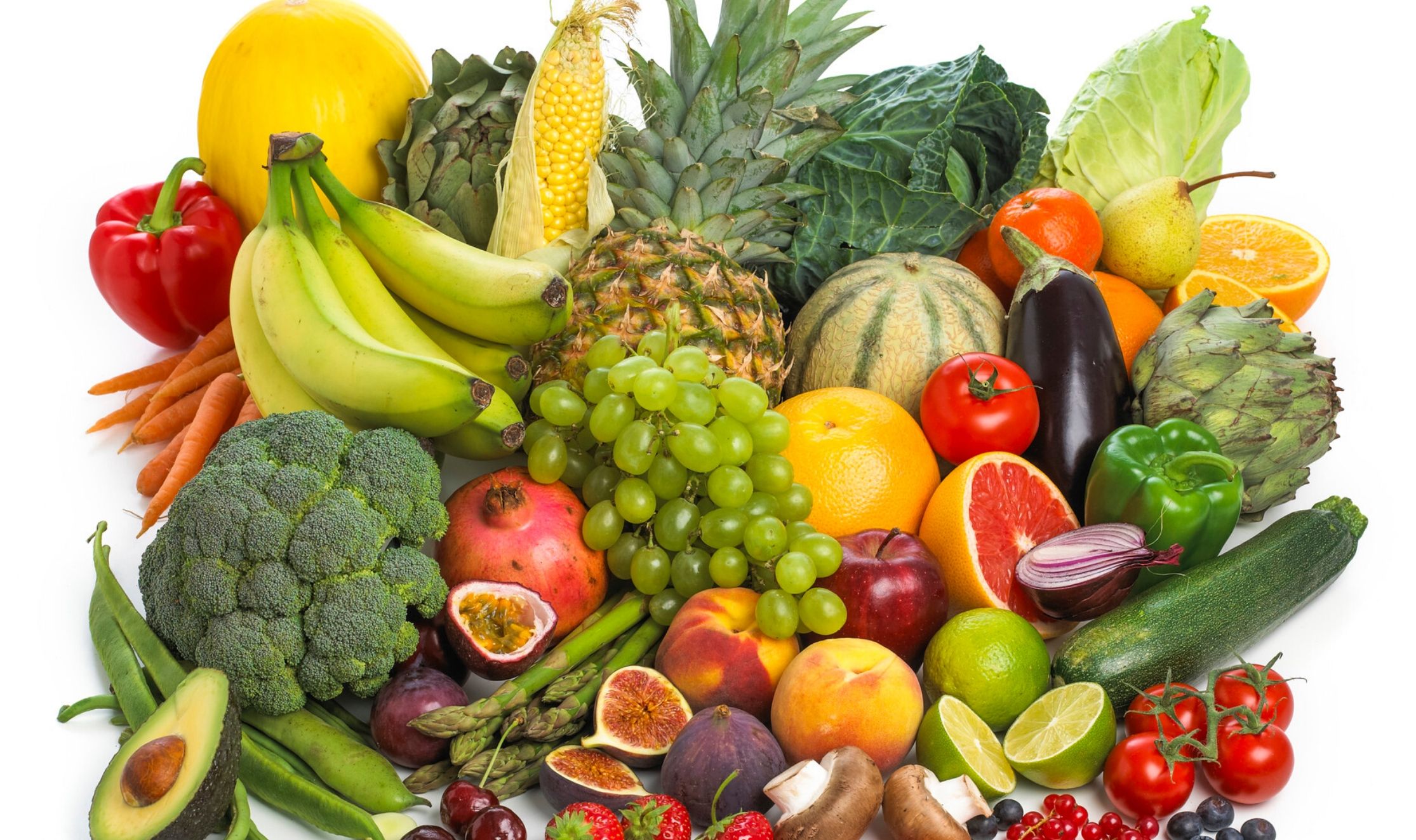
Incorporating More Fruits and Vegetables into Your Diet
Eating a diet rich in fruits and vegetables is essential for maintaining good health. They are packed with vitamins, minerals, fiber, and antioxidants that provide numerous benefits to our bodies. However, many people struggle to incorporate enough of these nutritious foods into their daily meals. If you’re looking to increase your fruit and vegetable intake, here are some tips to help you do just that.
1. Start with small changes: Instead of completely overhauling your diet all at once, begin by making small changes gradually. For example, try adding an extra serving of vegetables to one meal each day or swap out unhealthy snacks for fresh fruits.
2. Experiment with different recipes: One of the reasons people get bored with eating fruits and vegetables is because they stick to the same old recipes. Get creative in the kitchen! Look up new recipes online or invest in a cookbook specifically focused on plant-based meals. This will introduce you to exciting flavors and textures that make eating fruits and vegetables enjoyable.
3. Incorporate them into your morning routine: Breakfast sets the tone for the rest of the day, so make it count by including some fruits or veggies in your morning meal. Top off your cereal or yogurt with berries or sliced bananas; blend spinach or kale into your smoothies; or add sautéed mushrooms and peppers to scrambled eggs.
4. Snack smartly: Instead of reaching for processed snacks like chips or cookies during midday cravings, opt for nutrient-dense options such as carrot sticks with hummus dip, apple slices with almond butter, or a handful of mixed berries.
5. Make salads exciting: Salads don’t have to be boring! Mix things up by adding a variety of colorful vegetables like bell peppers, tomatoes, cucumbers, grated carrots, and leafy greens such as spinach or kale. Toss in some grilled chicken breast or chickpeas for added protein, and drizzle with a homemade vinaigrette dressing to boost flavor.
6. Plan your meals in advance: To ensure you have fruits and vegetables readily available, plan your meals ahead of time. Make a grocery list that includes a variety of fresh produce and stick to it when shopping. Prepare some veggies in advance by washing, chopping, and storing them in containers, so they’re easily accessible for cooking or snacking purposes.
7. Sneak them into other dishes: Don’t limit yourself to eating fruits and vegetables as standalone items; sneak them into other dishes too! For instance, add finely chopped carrots or zucchini to pasta sauce or blend cauliflower into mashed potatoes.
Remember that incorporating more fruits and vegetables into your diet is an ongoing process. It may take some time for your taste buds to adjust if you’re used to eating processed foods. Be patient with yourself, keep experimenting with new recipes, and soon enough you’ll find yourself naturally gravitating towards these nourishing options.

Leave a Reply