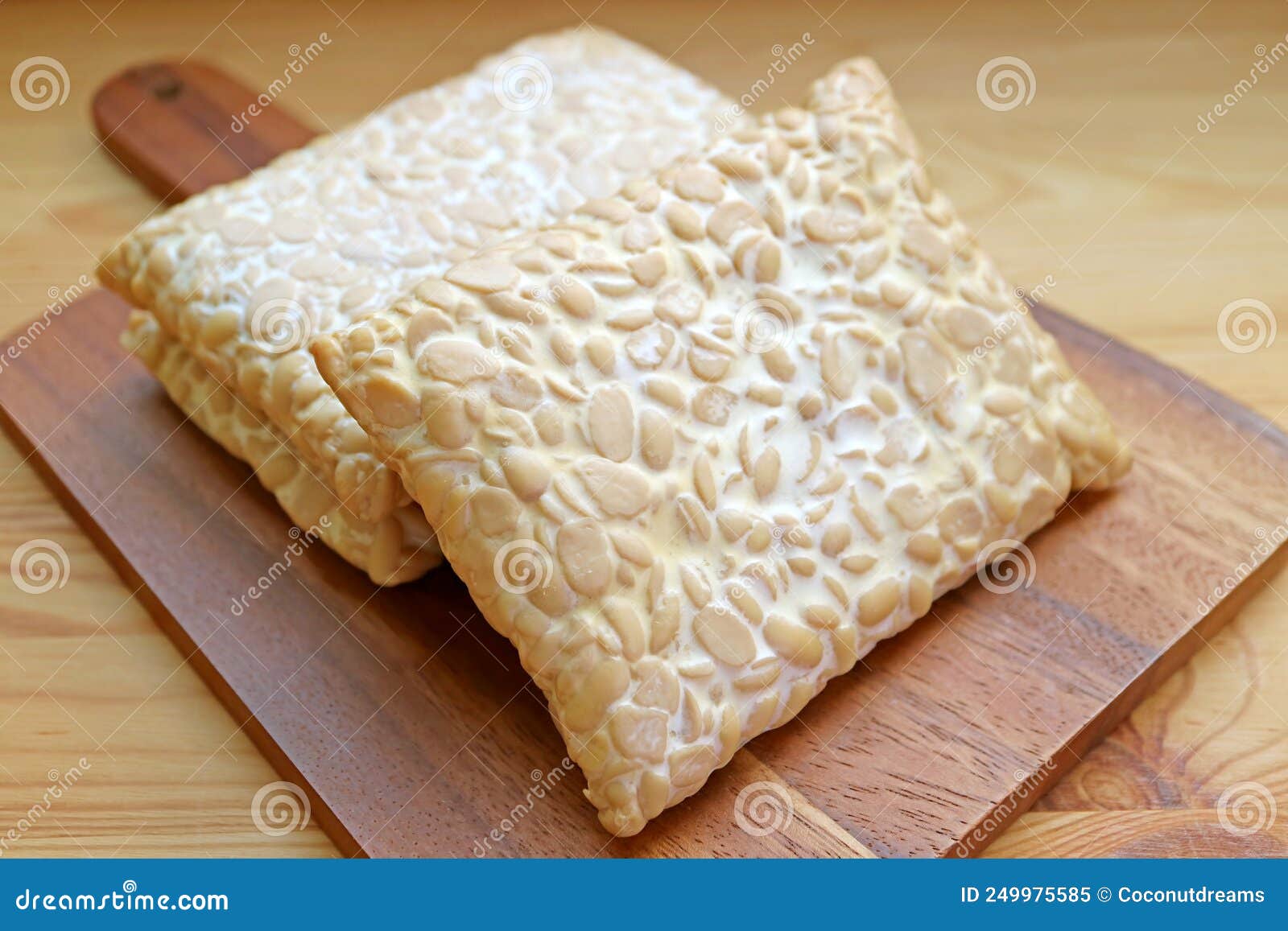
Tempeh, a nutritious and versatile plant-based protein, has been a staple in Asian cuisine for centuries. Made from fermented soybeans, tempeh is not only delicious but also offers numerous health benefits. In this case study, we will explore the origins of tempeh and its significant role in Asian diets.
Historically, tempeh originated in Indonesia, where it was first produced by fermenting soybeans with a specific type of mold called Rhizopus oligosporus. The fermentation process not only enhances the flavor but also increases the nutritional value of soybeans by breaking down complex proteins into more easily digestible forms.
In Asian cuisine, tempeh is commonly used as a meat substitute due to its high protein content. It has a firm texture and nutty flavor that adds depth to various dishes. Whether stir-fried with vegetables or marinated and grilled as kebabs, tempeh can be prepared in countless ways.
One key advantage of incorporating tempeh into your diet is its impressive nutrient profile. It is an excellent source of complete protein containing all essential amino acids necessary for building muscle and repairing tissues. Additionally, it is rich in vitamins B12 and K2, which are mostly found in animal products.
Moreover, tempeh contains beneficial bacteria known as probiotics that support gut health by improving digestion and boosting immune function. These probiotics help maintain a healthy balance of bacteria in the intestines while aiding nutrient absorption.
Another noteworthy aspect of tempeh is its low-calorie content compared to meat alternatives like tofu or seitan. This makes it an ideal choice for individuals looking to manage their weight without compromising on taste or nutrition.
To conclude our case study on tempeh’s significance in Asian cuisine, it’s clear that this fermented soybean product offers various health benefits while adding diversity to vegetarian and vegan diets alike. Its versatility allows for endless culinary possibilities without sacrificing nutritional value. So why not explore the world of tempeh and embark on a flavorful and nourishing journey?

Leave a Reply