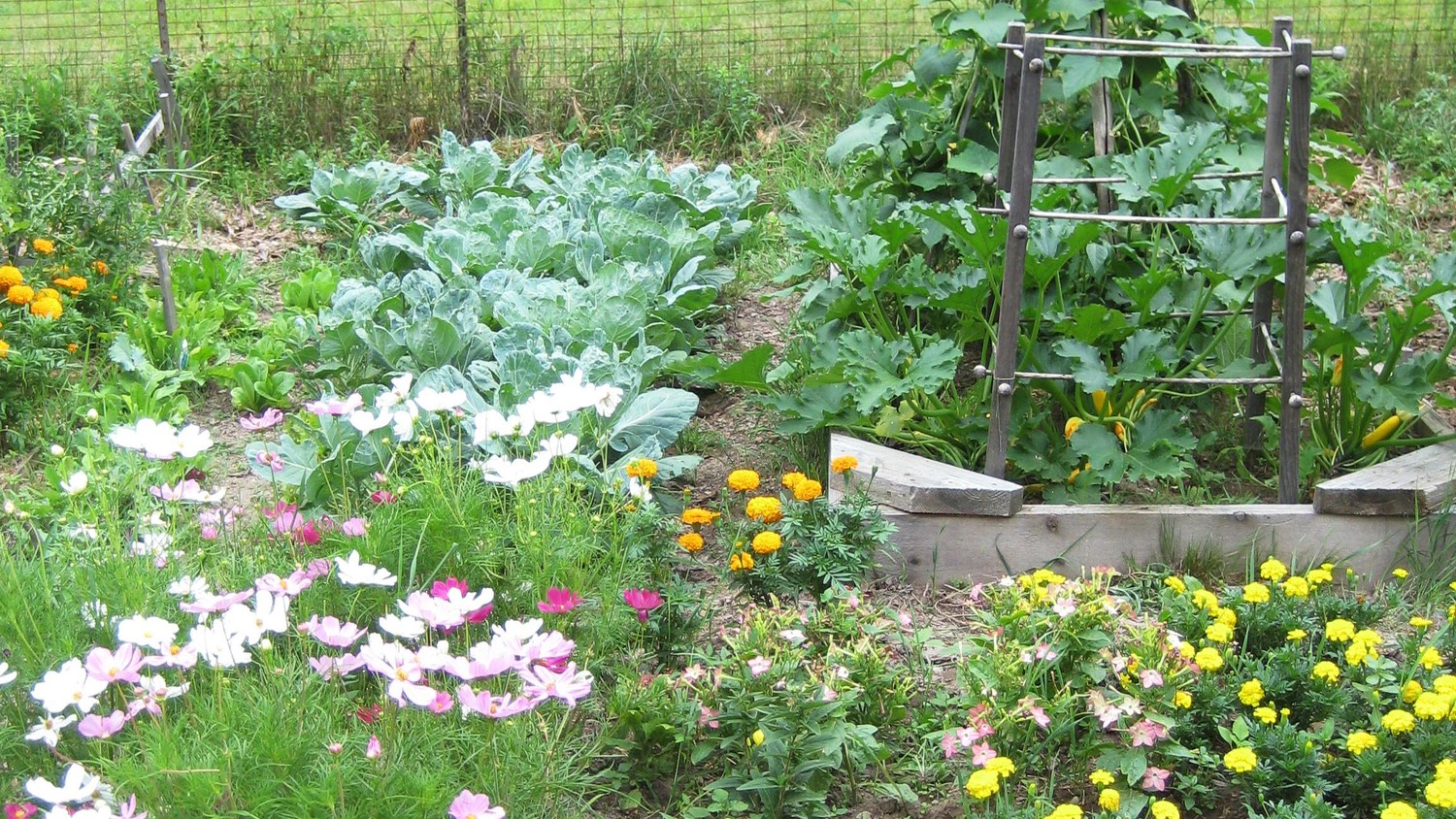
Growing Your Own Organic Produce on a Budget
In recent years, there has been a significant rise in the popularity of organic produce. People are becoming more aware of the benefits of consuming fruits and vegetables free from harmful pesticides and chemicals. However, buying organic can often be expensive, causing many to wonder if there is an affordable way to enjoy these healthy options. The answer lies in growing your own organic produce right at home.
Not only does growing your own organic food save money, but it also allows you to have complete control over what goes into your plants. You can ensure that no harmful chemicals or pesticides are used during the growing process, providing you with peace of mind about the quality and safety of your food.
Here are some tips for starting your own budget-friendly organic garden:
1. Plan Ahead: Before diving into gardening, take some time to plan out what you want to grow and how much space it will require. Consider which fruits and vegetables are most expensive at the grocery store and focus on those first.
2. Start Small: If you’re new to gardening, start small with just a few plants or herbs that are easy to grow such as tomatoes or basil. This will help you gain confidence and experience before expanding your garden.
3. Save Seeds: Instead of purchasing seeds every year, save seeds from your existing crops for future planting seasons. This not only saves money but also ensures that you continue growing varieties that perform well in your specific location.
4. Compost: Create nutrient-rich compost by recycling kitchen scraps like fruit peels and vegetable trimmings along with yard waste like grass clippings and fallen leaves. Composting reduces waste while providing essential nutrients for healthy plant growth.
5. Utilize Containers: Don’t have a spacious backyard? No problem! Many herbs and vegetables can be grown successfully in containers on balconies or windowsills. Choose pots with good drainage holes and use high-quality potting soil.
6. Go Vertical: Maximize your garden space by growing climbing plants such as beans, cucumbers, or peas vertically on trellises or fences. This way, you can grow more in a smaller area.
7. Share with Others: Consider starting a community garden where neighbors can share the cost of seeds and tools while also enjoying the benefits of fresh organic produce together.
8. Water Wisely: Install a rain barrel to collect rainwater for watering your plants instead of relying solely on tap water. This helps reduce your water bill while providing chemical-free hydration for your garden.
9. Control Pests Naturally: Instead of resorting to harmful pesticides, research natural pest control methods like companion planting or using organic sprays made from ingredients like neem oil or garlic that are safe for both humans and the environment.
10. Preserve Your Harvest: To enjoy your organic produce all year round, learn how to preserve excess crops through canning, freezing, or drying. This way, you’ll have homegrown goodness even during the colder months.
Growing your own organic produce on a budget is not only rewarding but also contributes to sustainable living and healthier eating habits. By following these tips and being patient with the learning process, you can enjoy bountiful harvests without breaking the bank. Start small, stay committed, and soon enough you’ll be savoring delicious fruits and vegetables straight from your very own garden!

Leave a Reply