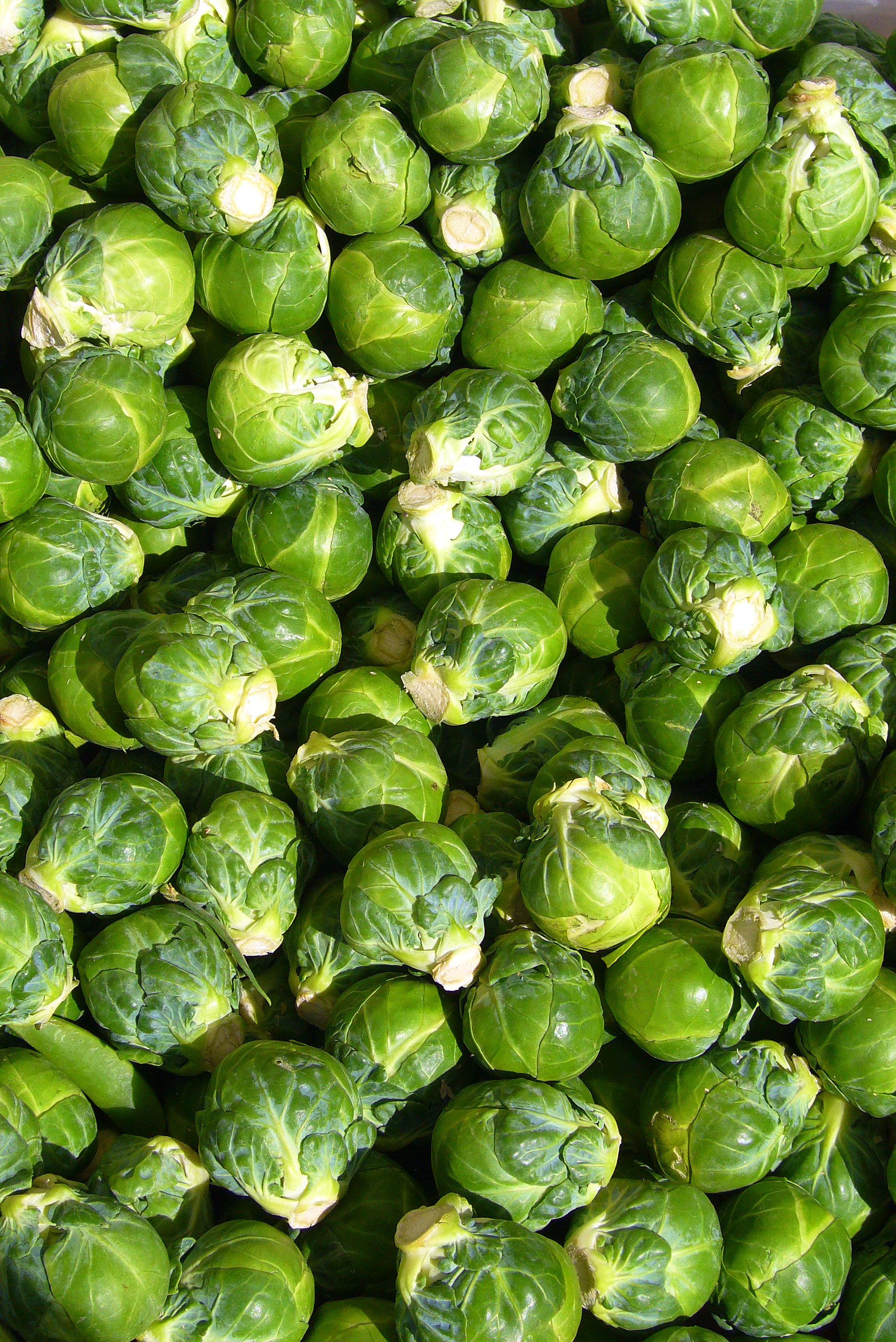
When it comes to healthy eating, Brussels sprouts are often hailed as a nutritional powerhouse. Packed with vitamins, minerals, and fiber, these small green veggies have gained popularity in recent years for their numerous health benefits. But when it comes to buying Brussels sprouts, should you opt for fresh or frozen? In this article, we will compare the cost of fresh vs. frozen Brussels sprouts to help you make an informed decision.
Fresh Brussels sprouts offer a vibrant and crisp texture that many people enjoy. They are typically sold loose or in pre-packaged bags at grocery stores and farmers markets. The price of fresh Brussels sprouts can vary depending on factors such as seasonality and location. Generally speaking, during peak seasons like fall and winter when they are most abundant, the prices tend to be lower compared to other times of the year.
On average, you can expect to pay around $2-$3 per pound for fresh Brussels sprouts. However, keep in mind that this price can fluctuate based on your location and where you choose to buy them from. Local farmers markets may offer competitive prices compared to larger supermarkets since they eliminate transportation costs associated with long-distance shipping.
Frozen Brussels sprouts provide a convenient option for those who prefer not to spend time washing and trimming fresh ones. They are harvested at their peak freshness before being blanched (briefly boiled) and then flash-frozen to preserve their taste and nutrition. Frozen vegetables generally retain most of their nutrients due to the quick freezing process.
The cost of frozen Brussels sprouts is relatively stable throughout the year since they are available regardless of seasonality. On average, you can find them priced between $1-$2 per pound in most grocery stores.
While fresh Brussels sprouts may seem more expensive than their frozen counterparts at first glance, it’s important to consider yield when comparing costs. Fresh ones tend to have outer leaves that need removing before cooking which can result in some wastage. On the other hand, frozen Brussels sprouts come pre-trimmed, so there is minimal to no waste.
To truly compare costs, let’s take a closer look at the yield of fresh vs. frozen Brussels sprouts. A pound of fresh Brussels sprouts will yield around 2-3 cups of cooked sprouts after trimming and removing any outer leaves. In contrast, a pound of frozen Brussels sprouts will generally yield approximately 3-4 cups once cooked.
Based on this comparison, it becomes clear that the cost per cup is relatively similar between fresh and frozen options. However, it’s worth noting that cooking times may vary slightly between the two due to differences in moisture content caused by freezing.
Another factor to consider when comparing the cost is shelf life. Fresh Brussels sprouts have a limited shelf life and should ideally be consumed within a week or two of purchase for optimal taste and quality. If not stored properly or left unused for too long, they can spoil quickly.
On the other hand, frozen Brussels sprouts have a much longer shelf life since they are kept in a frozen state. They can typically be stored for several months without losing their nutritional value or taste significantly. This makes them an excellent option if you want to stock up on vegetables without worrying about spoilage or frequent grocery shopping trips.
Considering convenience as well, many people find that having a bag of frozen Brussels sprouts on hand saves time and effort during meal preparation since they require little prep work compared to fresh ones. With busy schedules becoming increasingly common these days, having access to quick-cooking ingredients like frozen vegetables can make healthy eating more feasible.
When deciding between fresh and frozen Brussels sprouts based on cost alone, both options offer competitive prices depending on your location and seasonal availability. However, it’s essential to weigh other factors such as yield per pound, storage longevity, and personal preferences before making your final choice.
In conclusion, the cost of fresh vs. frozen Brussels sprouts is relatively comparable when you consider yield and convenience. Fresh ones may have a slightly higher price per pound, but their yield can be affected by trimming and wastage. On the other hand, frozen Brussels sprouts offer a longer shelf life and require less prep work. Ultimately, it comes down to personal preference and your specific needs in terms of taste, convenience, and budget.
Whether you choose fresh or frozen Brussels sprouts, incorporating this nutritious vegetable into your diet is a wise choice. They are rich in vitamins C and K, fiber, folate, and antioxidants that support overall health. Enjoy them roasted with olive oil and garlic or steamed as a side dish – the options are endless!

Leave a Reply