Antioxidants and Cancer Prevention: A Powerful Duo
When it comes to cancer prevention, maintaining a healthy diet is essential. One key component of a cancer-fighting diet is antioxidants. These powerful compounds are known for their ability to neutralize harmful free radicals, which can damage cells and contribute to the development of cancer.
In this article, we will explore the role of antioxidants in preventing cancer and provide you with practical tips on how to incorporate them into your daily meals.
Understanding Free Radicals
Before delving into antioxidants, let’s first understand what free radicals are and why they pose a risk to our health. Free radicals are unstable molecules that have an unpaired electron. They are produced naturally in our bodies as by-products of various metabolic processes but can also be generated by external factors like pollution, radiation, cigarette smoke, and certain chemicals.
Free radicals are highly reactive and seek stability by stealing electrons from other molecules in our body’s cells. This process can lead to oxidative stress, causing damage to cellular DNA, proteins, lipids, and other important components necessary for proper cell function.
The Role of Antioxidants
This is where antioxidants come into play. Antioxidants are substances that prevent or slow down oxidative damage caused by free radicals. They accomplish this by donating one of their own electrons without becoming unstable themselves. By doing so, they effectively neutralize the free radical’s damaging effects and reduce the potential harm it may cause within our bodies.
Types of Antioxidants
There are several types of antioxidants found in different foods:
1. Vitamins: Vitamin C (ascorbic acid), vitamin E (tocopherols), and beta-carotene (a precursor of vitamin A) all act as potent antioxidants.
2. Minerals: Selenium plays a crucial role as an antioxidant mineral.
3. Polyphenols: Found abundantly in fruits, vegetables, teas, nuts, seeds, whole grains; polyphenols are a diverse group of antioxidants that include flavonoids, anthocyanins, and resveratrol.
4. Carotenoids: These pigments give fruits and vegetables their vibrant colors. Lycopene (found in tomatoes), lutein (found in leafy greens), and zeaxanthin are examples of carotenoid antioxidants.
Antioxidants and Cancer Prevention
While research is ongoing, numerous studies suggest that a diet rich in antioxidants may help reduce the risk of certain types of cancer. Antioxidants protect against oxidative stress, which can lead to DNA damage and the development of cancerous cells.
Here’s how different antioxidants contribute to preventing specific cancers:
1. Vitamin C: This potent antioxidant helps neutralize free radicals produced during normal metabolic processes as well as those generated by exposure to pollutants or toxins. A study published in the Journal of Clinical Oncology found an inverse association between vitamin C intake and breast cancer risk.
2. Vitamin E: This antioxidant protects against oxidative damage to cell membranes and low-density lipoproteins (LDL). It may also enhance immune function, another crucial factor for cancer prevention.
3. Beta-carotene: Research suggests that beta-carotene-rich foods like carrots, sweet potatoes, spinach, and kale can lower the risk of developing lung cancer.
4. Selenium: This mineral acts as a cofactor for various enzymes involved in DNA repair mechanisms within our cells. Studies have shown a potential protective effect against prostate cancer with higher selenium levels.
5. Polyphenols: The diverse array of polyphenols found in fruits, vegetables, teas, nuts, seeds, whole grains offer protection against several types of cancers such as breast, lung, colorectal due to their anti-inflammatory properties and ability to regulate cellular processes.
6. Carotenoids: Lycopene has been associated with a reduced risk of prostate cancer while lutein may help prevent eye-related cancers.
Incorporating Antioxidants into Your Diet
Now that we understand the importance of antioxidants in cancer prevention, let’s explore some practical ways to incorporate them into our daily meals:
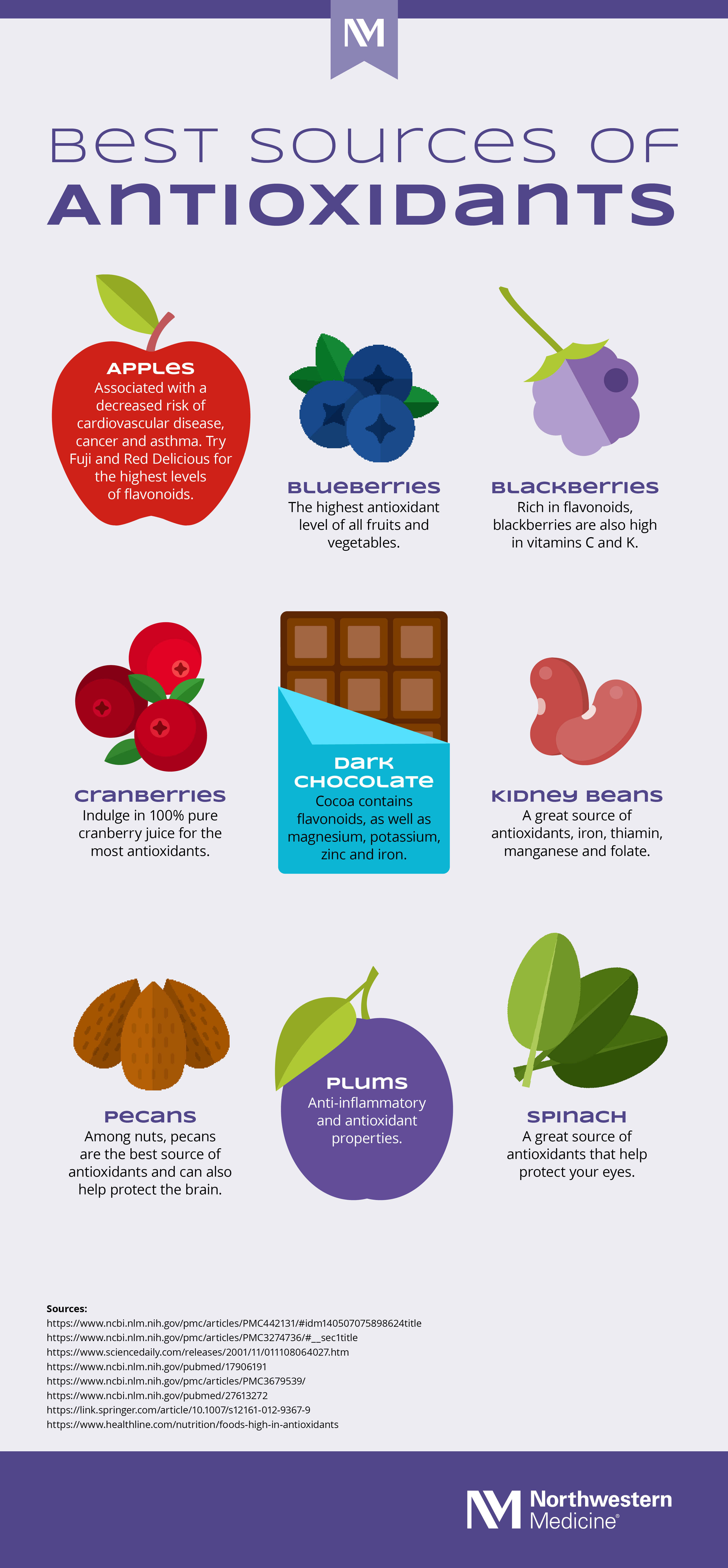
1. Eat a rainbow: Include a variety of colorful fruits and vegetables in your diet. Aim for at least five servings per day.
2. Opt for whole grains: Choose whole grain products like brown rice, quinoa, and whole wheat bread over refined grains.
3. Enjoy antioxidant-rich beverages: Sip on green tea or herbal teas like chamomile or hibiscus which are packed with polyphenols.
4. Go nuts and seeds: Snack on almonds, walnuts, chia seeds, and flaxseeds which are all great sources of antioxidants.
5. Spice up your life: Add herbs and spices like turmeric, ginger, cinnamon, oregano to your dishes as they contain powerful antioxidants.
6. Cook with healthy oils: Use extra virgin olive oil or avocado oil when preparing meals as they contain vitamin E.
Conclusion
While no single food or nutrient can guarantee protection against cancer development, including a wide range of antioxidant-rich foods in your diet is an excellent strategy for reducing the risk.
Remember to consult with a healthcare professional before making any significant changes to your diet especially if you have specific health concerns or dietary restrictions that need consideration.
By incorporating these tips into your lifestyle and adopting an overall healthy eating pattern that includes plenty of fruits, vegetables, whole grains, lean proteins along with regular physical activity will provide you with a solid foundation for cancer prevention while supporting optimal health overall.

Leave a Reply