Prebiotics: Nourishing Your Gut for Optimal Health
When it comes to maintaining a healthy lifestyle, we often focus on the macronutrients like carbohydrates, proteins, and fats. But there is another crucial component that plays a significant role in our overall well-being – prebiotics. Prebiotics are a type of dietary fiber that nourishes the beneficial bacteria in our gut, promoting optimal digestive health and supporting various aspects of our physical and mental well-being.
To understand the importance of prebiotics, we must first delve into the intricate world of our gut microbiome. Our intestines are home to trillions of microorganisms collectively known as gut flora or microbiota. These microscopic organisms consist mainly of bacteria but also include viruses, fungi, and other microbes. While some may think bacteria are harmful, many varieties residing in our gut play a vital role in maintaining good health.
The relationship between humans and their gut flora is mutually beneficial; we provide them with food and shelter while they help us digest certain foods, produce essential vitamins such as B vitamins and vitamin K, support immune function by fighting off harmful pathogens, regulate metabolism, promote nutrient absorption,and even influence brain function through communication via the “gut-brain axis.”
But what does this have to do with prebiotics? Well, prebiotics serve as fuel for these friendly bacteria living within us. Unlike probiotics which are live microorganisms themselves (often found in fermented foods or supplements), prebiotics pass through the upper parts of our gastrointestinal tract undigested until reaching the colon where they ferment upon contact with resident microflora.
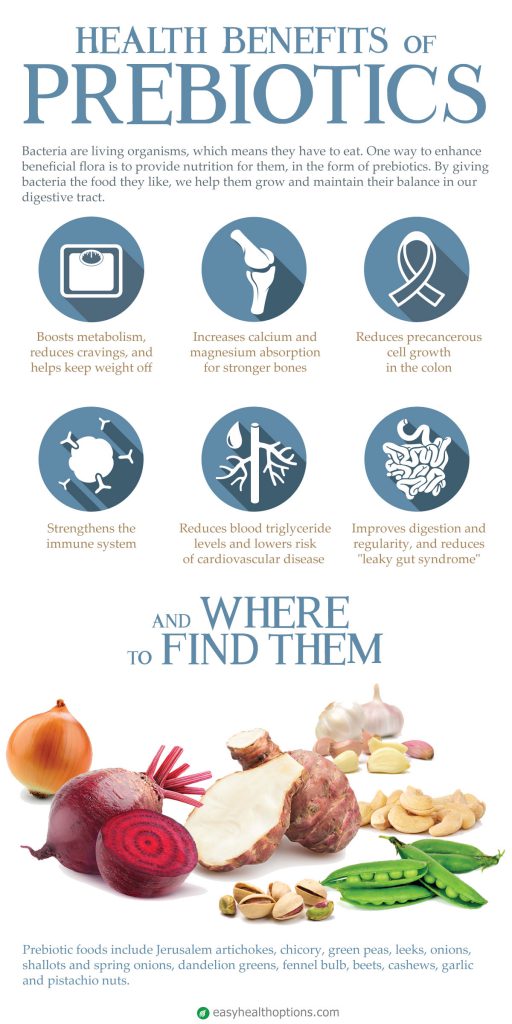
One key group of compounds classified as prebiotics is called fructooligosaccharides (FOS). FOS can be found naturally in foods like onions,g arlics,c hicory root,dandelion greens,j erusalem artichoke,s pears,b ananas,a nd whole wheat. Another common prebiotic is inulin, found in foods such as asparagus, leeks, and chicory root.
The fermentation of prebiotics produces short-chain fatty acids (SCFAs) like acetate, propionate, and butyrate. These SCFAs provide energy to the cells lining our colon and play a crucial role in maintaining gut health. Butyrate, for example,is the preferred fuel source for colonocytes (the cells lining the colon), supporting their growth and promoting a healthy intestinal barrier function.
In addition to supporting digestion, prebiotics have been shown to have several other health benefits. Research suggests that they can help improve calcium absorption, leading to stronger bones,and enhance immune function by stimulating the production of certain immune cells.In fact,a study published in The British Journal of Nutrition found that individuals who consumed FOS experienced fewer days with cold or flu symptoms compared to those who did not consume them.
Prebiotics may also aid weight management. Some studies indicate that they can increase satiety levels by reducing hunger hormones like ghrelin while increasing appetite-suppressing hormones like peptide YY (PYY). Furthermore,research has shown an association between gut microbiota composition and body weight; therefore,promoting a diverse population of beneficial bacteria through prebiotic consumption may help support healthy weight maintenance.
Moreover,various mental health conditions,such as depression and anxiety,may be influenced by our gut microbiome. Studies have indicated that imbalances within our gut flora could potentially contribute to these conditions. By consuming prebiotic-rich foods or supplements, we can positively influence the composition of our gut bacteria which,in turn,could benefit mental well-being.
So how can you incorporate more prebiotics into your diet? Start by including fiber-rich whole foods such as fruits, vegetables,and whole grains into your meals every day.Choose onions,g arlics,l eeks,chicory root,and asparagus to add a prebiotic punch. Incorporate oats into your breakfast routine, snack on bananas or pears, and experiment with adding dandelion greens or Jerusalem artichoke to your salads.
Additionally,you may consider taking a prebiotic supplement if you struggle to consume enough through diet alone. These supplements often contain FOS, inulin,or other types of prebiotics that can help support a healthy gut flora balance.
While increasing your prebiotic intake is generally safe and beneficial for most people,it’s worth mentioning that some individuals may experience mild gastrointestinal discomfort such as bloating or gas when first introducing larger amounts of fiber into their diet. If this occurs,start by gradually increasing your fiber intake over time until your body adjusts.
In conclusion,prebiotics are an essential component of a healthy diet.They provide nourishment for the beneficial bacteria residing in our gut,maintaining digestive health and supporting overall well-being.Incorporating prebiotic-rich foods into our meals can enhance immune function,promote weight management,and even influence mental health.So why not give those friendly bacteria the food they need to thrive? Your gut will thank you!

Leave a Reply