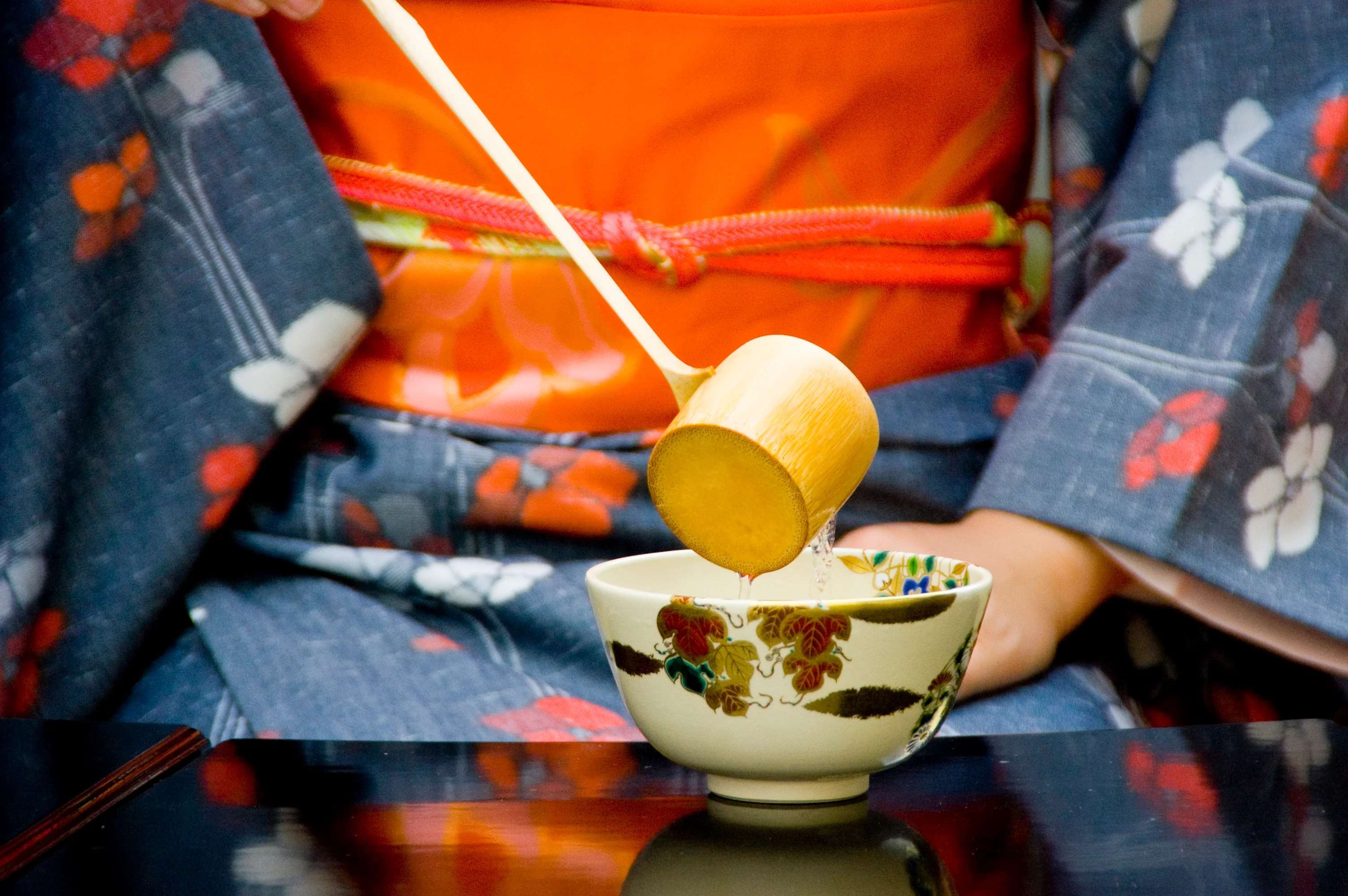
The Traditional Japanese Tea Ceremony: A Soothing Ritual for Mind and Body
In our fast-paced world, finding moments of tranquility and mindfulness can be a challenge. However, the traditional Japanese tea ceremony offers a beautiful opportunity to slow down, connect with others, and savor the present moment. Rooted in centuries-old traditions, this ceremonial practice not only celebrates the art of preparing and serving tea but also encompasses grace, harmony, and respect.
Origins of the Tea Ceremony
The Japanese tea ceremony, known as “Chanoyu” or “Sado,” has its roots in Zen Buddhism. It was introduced to Japan from China in the 9th century by Buddhist monks who used it as a means to cultivate mindfulness and spiritual awakening.
Over time, the practice evolved into an art form embraced by samurai warriors before becoming more accessible to wider society during the Edo period (1603-1868). Today, Chanoyu continues to hold a special place in Japanese culture as a way to honor tradition while offering respite from daily routines.
Setting the Stage
One of the most distinctive features of the tea ceremony is its attention to detail regarding both physical space and aesthetic elements. The ceremony typically takes place in a serene tearoom called a “chashitsu.” These intimate spaces are designed with natural materials like wood and bamboo that create a sense of calmness.
Minimalism is key when it comes to furnishing these rooms; however, each item serves an essential purpose. The primary focus is on creating an environment conducive for meditation and reflection rather than excessive decoration.
Tea Ceremony Utensils
The utensils used during a traditional tea ceremony are carefully selected based on their history, craftsmanship, and suitability for preparing matcha (powdered green tea). Some common utensils include:
1. Chawan (tea bowl): Crafted from ceramic or porcelain, chawans come in various shapes and sizes. Each chawan is unique, often reflecting the artisan’s personality and style.
2. Chasen (bamboo whisk): This handmade bamboo whisk is used to mix the powdered tea with hot water, creating a frothy and invigorating beverage.
3. Chashaku (tea scoop): Made from bamboo or wood, this delicate utensil is used to measure tea powder accurately.
4. Kensui (waste-water container): A small ceramic or metal bowl designed to collect waste water during the ceremony, symbolizing cleanliness and purity.
The Tea Master’s Role
A tea ceremony is typically conducted by a trained practitioner known as a “chajin” or “tea master.” The role of the tea master extends beyond serving tea; they are responsible for creating an atmosphere of tranquility and guiding participants through each step of the ritual.
The Ceremony Itself
Before entering the tearoom, guests cleanse their hands and mouths in a stone basin called a “tsukubai,” signifying purification before partaking in the ceremony. Once inside, guests sit seiza-style (sitting on one’s knees) on tatami mats facing tokonoma—a recessed space that displays art or calligraphy.
The ceremony begins with the meticulous preparation of matcha using precise movements and gestures handed down through generations. The host gracefully performs each action with mindfulness – measuring out powdered green tea, adding hot water to it in a chawan, skillfully whisking it into a froth using chasen—culminating in an exquisite cup of vibrant green matcha ready for sharing.
Etiquette plays an essential role throughout the process: guests bow upon receiving their cups; they rotate them gently before taking sips; finally expressing gratitude to both the host and other participants once finished. These practices encourage mindful presence while fostering respect among participants.
Tea & Mindfulness
Beyond its cultural significance, participating in a traditional tea ceremony offers a unique opportunity to cultivate mindfulness. The slow, deliberate movements required during the ceremony help participants focus on the present moment, fostering a sense of calm and awareness.
Moreover, the act of preparing and serving tea becomes a form of meditation in itself. By devoting our full attention to each step, we learn to appreciate even the simplest tasks with heightened awareness.
Health Benefits
The health benefits associated with drinking matcha have been widely documented. This antioxidant-rich beverage is known for promoting relaxation while providing an energy boost due to its natural caffeine content.
Matcha also contains L-theanine, an amino acid that induces a state of calmness and mental clarity without causing drowsiness. The combination of L-theanine and caffeine creates a balanced effect on alertness and focus – differentiating matcha from other caffeinated beverages that often lead to jitters or crashes.
In addition to these physical benefits, participating in the tea ceremony can promote emotional well-being by reducing stress levels and enhancing social connections. The communal aspect fosters bonds between participants as they share this mindful experience together.
Bringing Tranquility into Everyday Life
While experiencing an authentic Japanese tea ceremony may not always be feasible, incorporating elements of this ritual into daily life can still bring moments of tranquility. Here are some ways you can infuse your day with the spirit of Chanoyu:
1. Create your own sacred space: Carve out a small corner at home where you can meditate or enjoy a cup of green tea undisturbed.
2. Practice mindfulness when making tea: Pay close attention to each step involved in brewing your favorite cuppa – from heating water mindfully to savoring every sip.
3. Host your own mini-tea gathering: Invite friends or loved ones over for an informal gathering where you serve matcha using traditional utensils borrowed from Japanese culture stores or online retailers.
Conclusion
The traditional Japanese tea ceremony transcends a simple act of serving and enjoying tea. It offers a path to inner peace, mindfulness, and the appreciation of beauty in simplicity. Whether experiencing it firsthand or incorporating its principles into everyday life, the tea ceremony serves as an invitation to slow down, connect with ourselves and others, and find harmony amidst the chaos of modern living.

Leave a Reply