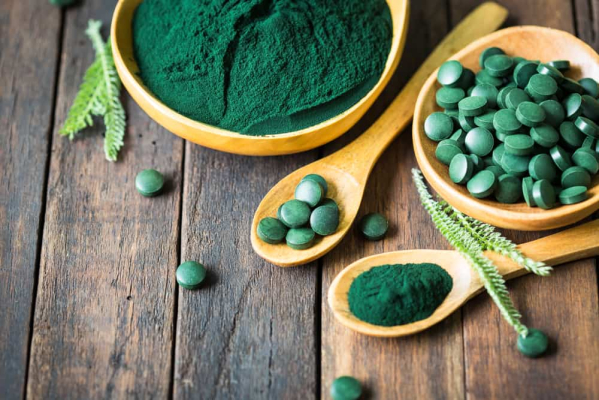
Spirulina, a blue-green algae that has been consumed for centuries, is gaining popularity as a potential treatment for various health conditions. This article will explore the numerous benefits of spirulina and its potential role in improving overall well-being.
1. Spirulina as a Potential Treatment for Allergies
Allergies affect millions of people worldwide, causing symptoms such as sneezing, itching, and congestion. Studies have shown that spirulina may help alleviate these symptoms by reducing inflammation in the body. It contains phycocyanin, a compound with strong anti-inflammatory properties that can inhibit the release of histamine – the primary mediator of allergic reactions.
Additionally, spirulina has been found to boost the production of antibodies that fight against allergens. This immune-boosting effect may provide relief from allergy symptoms and improve overall respiratory health.
2. The Role of Spirulina in Improving Gut Health
A healthy gut is essential for overall well-being, as it plays a crucial role in digestion and nutrient absorption. Spirulina contains high levels of fiber and prebiotics – substances that promote the growth of beneficial bacteria in the gut.
The presence of these prebiotics helps maintain a healthy balance between good and bad bacteria in the digestive tract, which can improve digestion and reduce common gastrointestinal issues such as bloating or constipation.
3. Spirulina’s Impact on Blood Sugar Levels
Maintaining stable blood sugar levels is vital for individuals with diabetes or those at risk for developing it. Research suggests that spirulina may help regulate blood glucose levels due to its low glycemic index value.
Additionally, studies have shown that consuming spirulina regularly can increase insulin sensitivity – an important factor in controlling blood sugar levels effectively.
4. Spirulina and Its Effects on Cholesterol Levels
High cholesterol levels are linked to an increased risk of heart disease. Luckily, spirulina’s cholesterol-lowering properties may help combat this issue. Several studies have found that spirulina supplementation can reduce total cholesterol and triglyceride levels while increasing “good” HDL cholesterol.
These findings suggest that incorporating spirulina into a heart-healthy diet may help improve lipid profiles and prevent cardiovascular problems.
5. Exploring the Anti-inflammatory Properties of Spirulina
Chronic inflammation is at the root of many diseases, including heart disease, diabetes, and cancer. Spirulina’s potent anti-inflammatory properties are attributed to its high concentration of antioxidants, particularly phycocyanin.
By reducing oxidative stress and neutralizing free radicals in the body, spirulina can combat inflammation on a cellular level. This makes it a promising natural remedy for inflammatory conditions such as arthritis or asthma.
6. Spirulina’s Potential as a Natural Weight Loss Aid
Weight management is a common concern for many individuals seeking to lead healthier lives. Incorporating spirulina into a balanced diet may aid in weight loss efforts due to its low-calorie content and high nutrient density.
Furthermore, studies have shown that spirulina consumption can increase feelings of fullness by suppressing appetite hormones like ghrelin. This effect may contribute to reduced calorie intake and support long-term weight management goals.
7. The Use of Spirulina in Managing Symptoms of ADHD
Attention deficit hyperactivity disorder (ADHD) affects both children and adults, causing difficulties with focus, impulsivity, and hyperactivity. Some research has suggested that supplementing with spirulina may alleviate symptoms associated with ADHD.
Spirulina’s rich nutrient profile – including vitamins B12, iron, magnesium – supports brain health and neurotransmitter production. Additionally, its antioxidant properties protect against oxidative stress often observed in individuals with ADHD.
8. Spirulina and Its Impact on Liver Health
The liver plays a vital role in detoxification processes within the body but is often subjected to oxidative stress and damage. Spirulina’s high antioxidant content, particularly phycocyanin and chlorophyll, can help protect the liver from harmful toxins.
Studies have shown that spirulina supplementation may improve liver function tests in individuals with liver disease, suggesting its potential as a natural support for overall liver health.
9. Investigating Spirulina’s Role in Boosting Immune Function
A robust immune system is crucial for fighting off infections and maintaining optimal health. Spirulina contains various compounds that enhance immune function, including polysaccharides and antioxidants.
These components stimulate the production of white blood cells, strengthen the body’s defense against pathogens, and reduce inflammation – all of which contribute to a stronger immune response.
10. Spirulina as a Source of Plant-Based Iron for Vegetarians and Vegans
Iron is an essential mineral required for proper oxygen transport throughout the body. While meat is commonly associated with iron consumption, spirulina offers a plant-based alternative rich in this vital nutrient.
For vegetarians and vegans who may struggle to meet their recommended iron intake through diet alone, incorporating spirulina into meals or taking it as a supplement can provide an easily absorbable source of iron.
In conclusion, spirulina holds significant potential as a natural remedy for various health conditions due to its nutrient-dense composition and powerful bioactive compounds. From allergies to weight management and cognitive function to immunity support – the benefits of incorporating spirulina into one’s diet are vast. However, it is important to consult with healthcare professionals before starting any new dietary supplements or treatments to ensure safety and effectiveness.

Leave a Reply