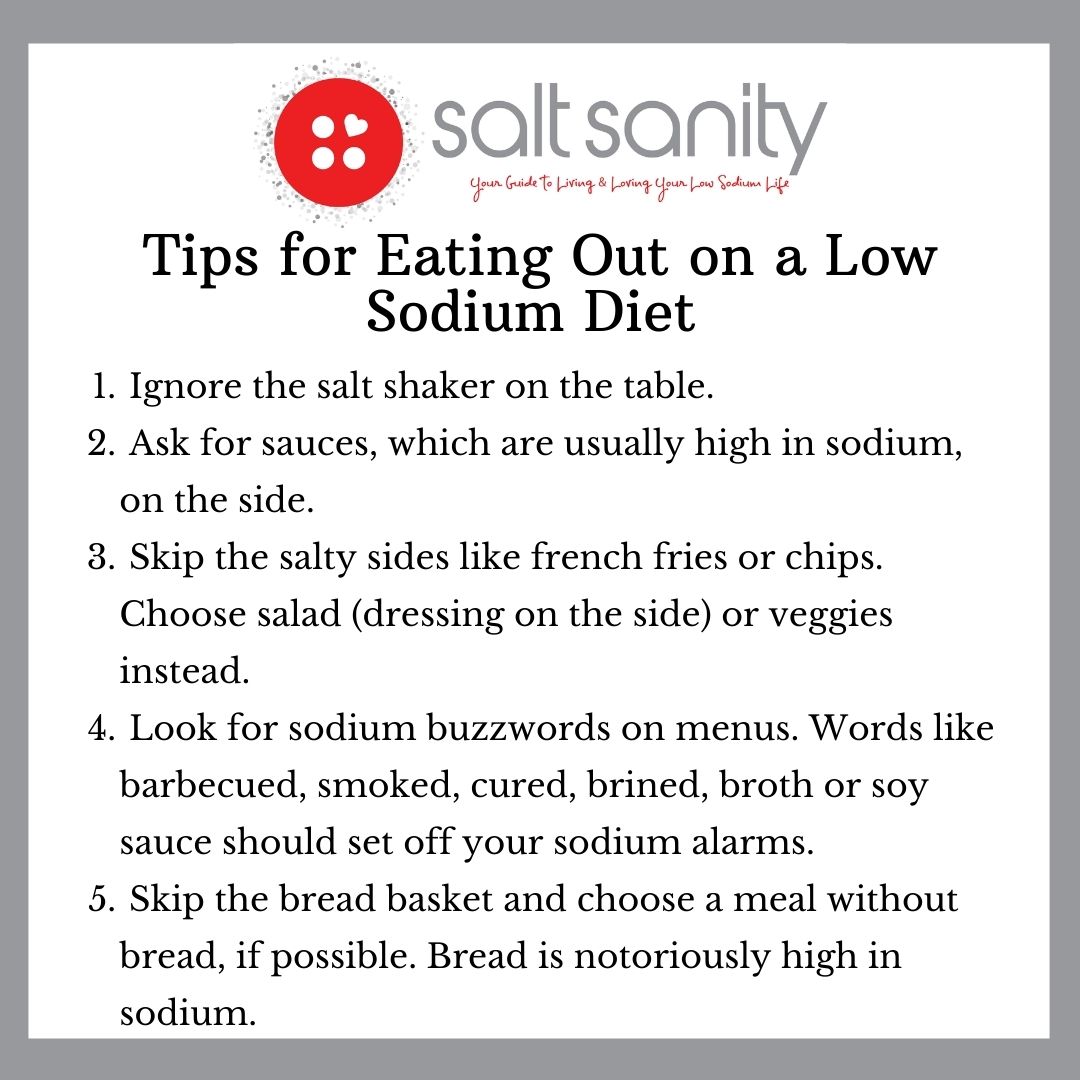
When it comes to our diet, one of the key areas we need to pay attention to is our sodium intake. Sodium is an essential mineral that our bodies need in small amounts, but consuming too much can have detrimental effects on our health. That’s why following a low-sodium diet can be incredibly beneficial.
One of the primary advantages of a low-sodium diet is its positive impact on blood pressure. Excessive salt consumption has been directly linked to high blood pressure, which increases the risk of heart disease and stroke. By reducing sodium intake, blood pressure levels can be better controlled, leading to improved cardiovascular health.
A low-sodium diet also helps prevent fluid retention in the body. Consuming excessive amounts of sodium causes water retention, which can lead to bloating and swelling in various parts of the body, particularly the hands and feet. By limiting sodium intake, individuals are less likely to experience these discomforts and will feel lighter overall.
Furthermore, a low-sodium diet promotes better kidney function. The kidneys play a crucial role in maintaining electrolyte balance in our bodies. When we consume excess sodium, it puts an extra burden on these organs as they work harder to eliminate it from our system. Over time, this increased workload may lead to kidney dysfunction or even chronic kidney disease. By adopting a low-sodium diet and reducing this burden on the kidneys, we can significantly improve their long-term health and functionality.
Another benefit of cutting back on sodium is improved bone health. High levels of dietary salt have been associated with increased calcium excretion through urine. Calcium is vital for strong bones; therefore, excessive salt intake may contribute to osteoporosis development over time. A low-sodium diet helps maintain proper calcium levels within the body and reduces the risk of bone-related disorders.
Lastly, following a low-sodium diet encourages healthier food choices overall by promoting whole foods rich in essential nutrients like fruits and vegetables while discouraging highly processed foods high in sodium. This shift in dietary habits can lead to better weight management, improved digestion, and increased energy levels.
In conclusion, reducing sodium intake by adopting a low-sodium diet has numerous health benefits. From managing blood pressure and preventing fluid retention to promoting kidney function and improving bone health, the advantages are significant. By making conscious choices to consume less salt and opting for whole foods instead of processed options, individuals can take control of their well-being and enjoy a healthier life overall.

Leave a Reply