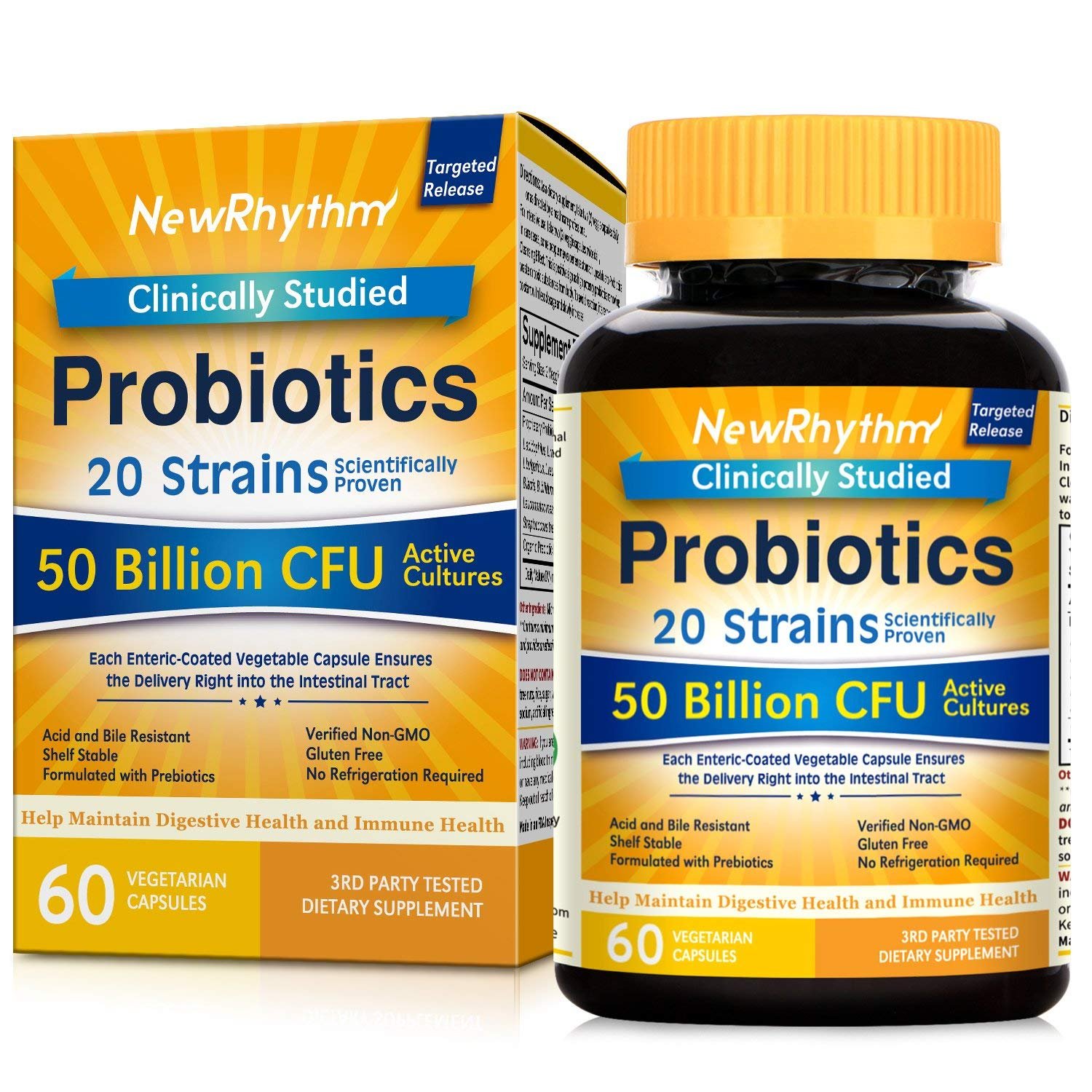
In today’s world, where the pursuit of good health and well-being is a top priority, it’s no surprise that probiotics have gained immense popularity. These live bacteria and yeasts are known for their ability to promote a healthy gut microbiome, aid digestion, boost immunity, and even improve mental health. But did you know that not all probiotics are created equal? Different strains have distinct benefits and capabilities. In this article, we will explore some of the most effective probiotic strains and how they can positively impact your overall health.
1. Lactobacillus acidophilus:
One of the most widely recognized probiotic strains is Lactobacillus acidophilus. This strain helps maintain a balance of beneficial bacteria in the gut by producing lactic acid, which creates an unfavorable environment for harmful pathogens. It also aids in breaking down lactose, making it particularly useful for those with lactose intolerance or sensitivity.
Lactobacillus acidophilus has been extensively studied for its potential to support digestive health by alleviating symptoms associated with irritable bowel syndrome (IBS), such as bloating, gas, and abdominal pain. Additionally, it may help prevent urinary tract infections (UTIs) in women by inhibiting the growth of pathogenic bacteria.
2. Bifidobacterium longum:
Another essential strain is Bifidobacterium longum—a predominant bacterium found in a healthy human gastrointestinal tract from infancy through adulthood. This versatile strain possesses numerous benefits that contribute to overall wellness.
Bifidobacterium longum plays a crucial role in maintaining intestinal barrier integrity while supporting immune function against harmful substances present in our diet or environment. It also assists with regulating bowel movements and reducing inflammation associated with conditions like inflammatory bowel disease (IBD).
Furthermore, studies suggest that Bifidobacterium longum may help alleviate anxiety and depression symptoms due to its interaction with the gut-brain axis. By modulating neurotransmitters and reducing inflammation in the brain, this strain has shown promise as an adjunct therapy for mental health conditions.
3. Saccharomyces boulardii:
Unlike other probiotic strains that belong to the bacteria kingdom, Saccharomyces boulardii is a beneficial yeast often used in combination with antibiotics to prevent antibiotic-associated diarrhea (AAD). It works by inhibiting the growth of harmful bacteria like Clostridium difficile, which can cause severe gastrointestinal infections.
Saccharomyces boulardii has also been found effective in managing symptoms related to inflammatory bowel disease and preventing relapse in individuals with ulcerative colitis. Additionally, it may help reduce the duration and severity of acute infectious diarrhea caused by viruses or bacteria.
4. Streptococcus thermophilus:
Streptococcus thermophilus is a lactic acid-producing bacterium widely used in dairy fermentations like yogurt and cheese production. This strain possesses notable antimicrobial properties against various pathogens due to its ability to produce bacteriocins—natural compounds that inhibit bacterial growth.
While not as extensively studied as some other strains, S. thermophilus has demonstrated potential benefits for digestive health. It aids lactose digestion, making it useful for those with lactose intolerance. Moreover, it may contribute to strengthening the intestinal barrier function and modulating immune responses within the gut.
5. Lactobacillus rhamnosus GG:
Lactobacillus rhamnosus GG (LGG) is one of the most well-researched probiotic strains available today. Numerous studies have focused on its effectiveness in treating various gastrointestinal disorders such as gastroenteritis, antibiotic-associated diarrhea (AAD), irritable bowel syndrome (IBS), and even preventing allergies.
In addition to its digestive benefits, LGG has been investigated for its potential impact on respiratory health and immunity enhancement. Some studies suggest that it may reduce the incidence and severity of respiratory tract infections, particularly in children.
6. Bifidobacterium infantis:
Bifidobacterium infantis is primarily found in infants’ gastrointestinal tracts, contributing to their overall health and well-being. However, research has shown that this probiotic strain can also benefit adults by supporting gut health and alleviating symptoms associated with gastrointestinal disorders.
Studies have highlighted Bifidobacterium infantis’ ability to reduce inflammation in the gut, improve bowel movements, and alleviate symptoms of conditions like irritable bowel syndrome (IBS) and ulcerative colitis. It may also be beneficial for managing a condition called leaky gut syndrome—an increased permeability of the intestinal lining that can lead to chronic inflammation throughout the body.
In conclusion, incorporating probiotics into your daily routine can offer numerous benefits for your digestive system, immune function, mental health, and overall well-being. When choosing a probiotic supplement or food source, ensure it contains specific strains like Lactobacillus acidophilus, Bifidobacterium longum, Saccharomyces boulardii, Streptococcus thermophilus, Lactobacillus rhamnosus GG (LGG), or Bifidobacterium infantis for optimal results. Remember to consult with a healthcare professional before starting any new supplements or making significant dietary changes to ensure they align with your individual needs and medical history.

Leave a Reply