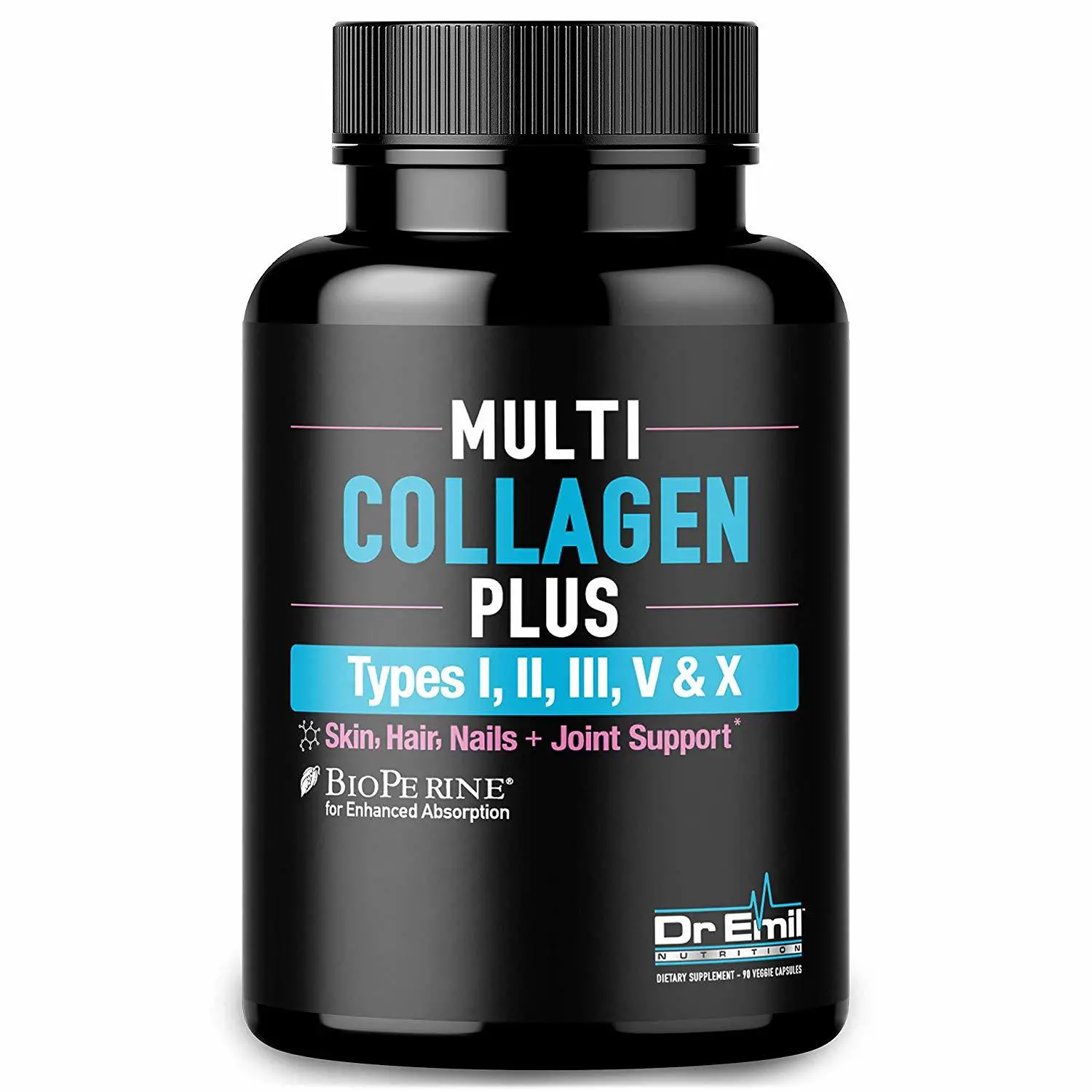
Collagen and Weight Loss: The Magic Elixir or Just Another Fad?
In the ever-evolving world of health and wellness, new trends and fads seem to pop up overnight, promising miraculous results in achieving that coveted dream body. One such trend that has gained significant attention lately is the use of collagen supplements for weight loss. Proponents claim that by adding collagen to your diet, you can shed those pounds effortlessly while simultaneously improving your skin, hair, and nails. But before you jump on the bandwagon, let’s take a closer look at whether collagen truly lives up to its hype as a magic elixir for weight loss.
Firstly, what exactly is collagen? Collagen is a protein present in our bodies that provides structural support to various tissues such as skin, bones, tendons, ligaments, and muscles. It acts like glue holding everything together and plays a vital role in maintaining healthy skin elasticity.
The theory behind using collagen for weight loss revolves around its high protein content. Protein is known to have a satiating effect on our appetite by keeping us full for longer periods. By consuming collagen supplements or foods rich in collagen peptides – the broken-down form of collagen – it is believed that we may experience reduced hunger pangs and subsequently consume fewer calories throughout the day.
Additionally, proponents argue that incorporating more collagen into our diets can boost metabolism due to its thermogenic effect. Thermogenesis refers to the process by which our bodies generate heat through metabolic processes like digestion. Supporters suggest that consuming more protein-rich foods increases this thermogenic effect, leading to greater calorie burn.
While these claims might sound enticing at first glance, it’s important not to get carried away without considering scientific evidence backing them up. Unfortunately for die-hard believers of all things magical when it comes to weight loss solutions – including myself sometimes – there isn’t enough substantial research supporting these claims about collagen just yet.
A study published in the Journal of the Science of Food and Agriculture examined whether collagen peptides had any impact on satiety in a group of overweight and obese individuals. The results showed that while the participants experienced increased feelings of fullness after consuming collagen, there was no significant difference compared to when they consumed a placebo. This suggests that collagen’s ability to suppress appetite might not be as potent as some would like to believe.
Similarly, when it comes to collagen’s effect on metabolism, research is still limited. Some studies have shown that increasing protein intake can lead to a slight increase in metabolic rate due to its higher thermic effect compared to fats or carbohydrates. However, these findings are not exclusive to collagen but applicable across various sources of dietary protein.
Another aspect worth considering is the source and quality of collagen supplements. Collagen derived from animal sources such as bovine or marine may contain additional nutrients like glycine and proline, which could potentially benefit overall health. However, it is crucial for consumers to ensure they are purchasing high-quality supplements from reputable brands that undergo rigorous testing for purity and safety.
So, what does all this mean for those hoping that adding collagen into their diet will magically melt away excess pounds? It means you shouldn’t solely rely on collagen as a weight loss solution but rather view it as one piece of the puzzle within an overall healthy lifestyle.
A more effective approach would involve adopting sustainable eating habits focusing on whole foods rich in essential nutrients – including lean proteins, fruits, vegetables, whole grains – combined with regular exercise. By incorporating varied sources of protein into your diet instead of solely relying on supplements or powders, you can achieve similar benefits without breaking the bank or succumbing to fad diets.
Additionally, don’t forget about other factors contributing to weight loss such as portion control and mindful eating practices. No single ingredient or supplement can replace balanced nutrition and an active lifestyle.
In conclusion, while the idea behind using collagen for weight loss may seem appealing, the scientific evidence supporting its efficacy is still lacking. Collagen can certainly be a part of a well-rounded diet and bring potential benefits to overall health due to its protein content. However, expecting it to be a magic elixir solely responsible for shedding pounds might be wishful thinking.
As with any trendy diet or supplement, it’s essential to approach collagen supplementation with skepticism and consult with healthcare professionals before making significant changes to your dietary routine. Remember, there are no shortcuts when it comes to achieving sustainable weight loss – only dedication, discipline, and mindful choices can lead you down that path.

Leave a Reply