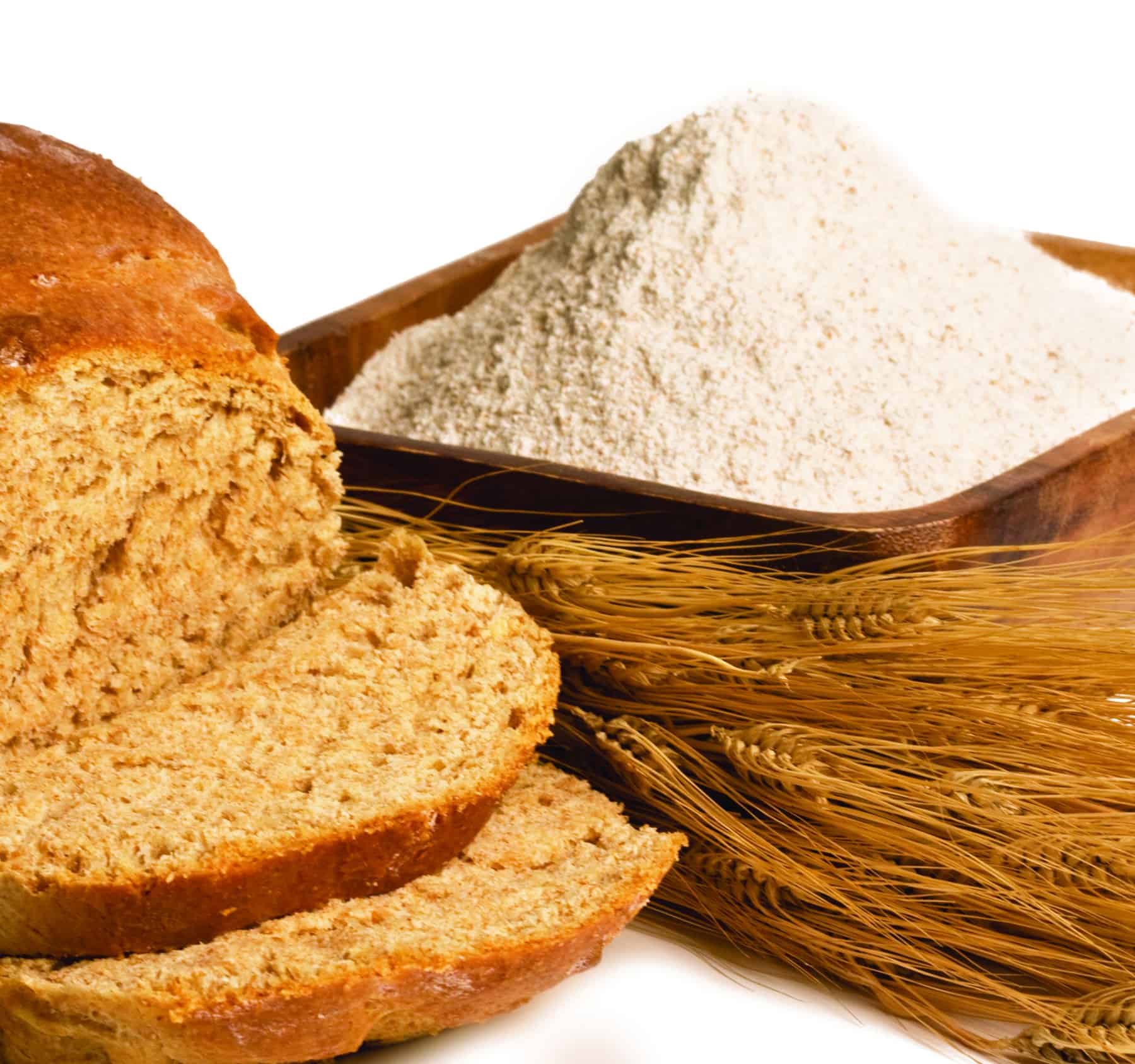
Whole Wheat Flour: The Perfect Substitute for Refined Flour
When it comes to healthy eating, one of the first things that usually come to mind is cutting back on refined flour. Refined flour, also known as all-purpose or white flour, undergoes a process that removes the bran and germ from wheat kernels, leaving behind only the starchy endosperm. This refining process not only strips away valuable nutrients but also results in a less nutritious final product.
Thankfully, there’s a simple solution for those looking to make healthier choices in their baking and cooking endeavors – whole wheat flour. Derived from grinding whole wheat kernels, whole wheat flour retains all three parts of the grain – bran, germ, and endosperm – making it significantly more nutritious than its refined counterpart.
1. Nutritional Benefits:
Whole wheat flour is packed with essential nutrients such as fiber, protein, vitamins (including B vitamins), and minerals like magnesium and phosphorus. It offers more dietary fiber compared to refined flour since the bran remains intact. Fiber aids digestion and helps maintain a healthy weight by promoting feelings of fullness.
2. Lower Glycemic Index:
Another advantage of using whole wheat flour over refined flour is its lower glycemic index (GI). GI measures how quickly carbohydrates are digested and absorbed into the bloodstream. Foods with high GI cause blood sugar spikes followed by crashes, leading to cravings for more food shortly after eating. Whole wheat has a lower GI due to its higher fiber content, resulting in better blood sugar control.
3. Heart Health:
Research suggests that incorporating whole grains into your diet can reduce the risk of heart disease due to their high levels of soluble fiber and other heart-healthy compounds found in the bran layer of the grain.
4. Weight Management:
As mentioned earlier, whole wheat is an excellent source of dietary fiber which plays a crucial role in managing weight effectively. Fiber-rich foods keep you feeling fuller for longer, reducing the likelihood of overeating and aiding in weight loss or maintenance.
5. Digestive Health:
Fiber also plays a significant role in maintaining a healthy digestive system. Whole wheat flour can help prevent constipation by adding bulk to the stool and promoting regular bowel movements.
6. Versatility in Baking:
One common misconception about whole wheat flour is that it yields dense, heavy baked goods. While this may have been true in the past, modern milling techniques have improved whole wheat flour’s texture and baking performance significantly. You can now substitute refined flour with whole wheat flour in most recipes without sacrificing taste or texture.
7. Tips for Substituting:
When replacing refined flour with whole wheat flour, it’s essential to keep a few things in mind to achieve optimal results. Firstly, due to its higher protein content, you may need some additional liquid when using whole wheat flour compared to refined flour recipes.
8. Gradual Transition:
If you’re new to using whole wheat flour, consider making a gradual transition by blending it with refined flour instead of completely replacing it at once. This will allow your taste buds to adjust gradually while still reaping the benefits of increased nutrition.
9. Storage Considerations:
Whole wheat flours contain natural oils from the germ that can turn rancid if not stored properly. To maintain freshness, store your whole wheat flours in an airtight container or refrigerate them for longer shelf life.
10 Ways to Incorporate Whole Wheat Flour into Your Diet:
– Substitute 50% or more of the all-purpose white flour with whole wheat when baking bread.
– Use whole wheat pastry flour for lighter textured baked goods like cakes and cookies.
– Add some extra fiber and nutrients by mixing half whole wheat and half white pasta.
– Replace all-purpose white flour with equal parts of whole-wheat pastry or white-wheat flours when preparing pancakes or waffles.
– Experiment with homemade whole wheat pizza crust or tortillas.
– Make your own whole wheat pasta by using a mixture of semolina and whole wheat flour.
– Try incorporating whole wheat flour into your pie crusts or pastry dough for added nuttiness and nutrition.
– Use whole wheat breadcrumbs in meatballs, meatloaf, or as a topping for casseroles.
– Create wholesome and delicious muffins using a combination of whole wheat and all-purpose flours.
– Opt for whole grain bread instead of white bread when making sandwiches.
In conclusion, substituting refined flour with whole wheat flour is an excellent way to enhance the nutritional value of your meals without compromising on taste. With its numerous health benefits and versatility in cooking and baking, it’s time to make the switch to this nutrient-dense alternative. So go ahead, stock up on some quality whole wheat flour, get creative in the kitchen, and enjoy the goodness it brings to your healthy eating journey!

Leave a Reply