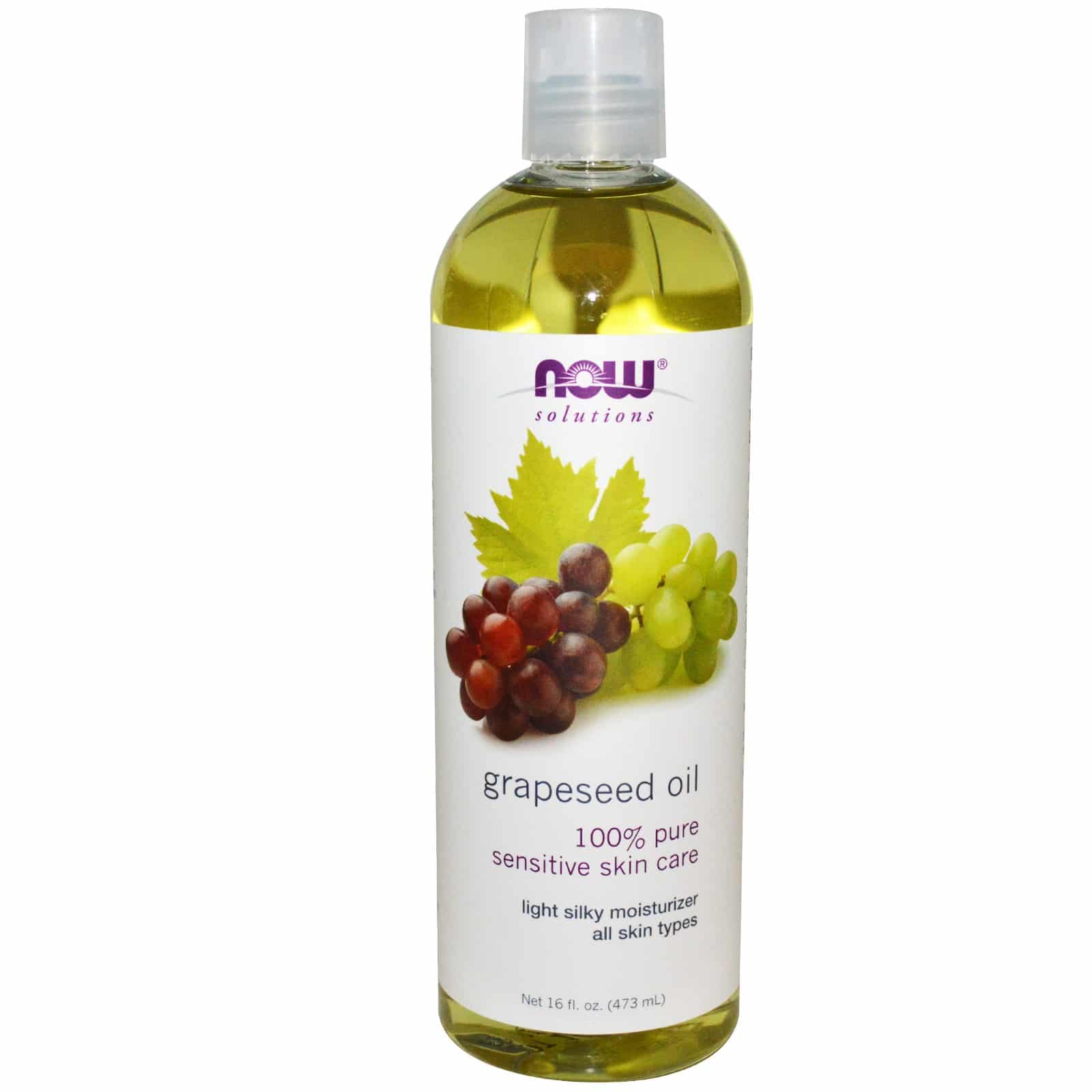
Grape Seed Oil: The Versatile and Healthy Cooking Companion
In the world of healthy eating, there are numerous cooking oils to choose from. Among these options is grape seed oil, a versatile and nutritious choice that deserves recognition. Derived from the seeds of grapes through cold-pressing techniques, this oil has gained popularity for its exceptional health benefits and culinary uses. In this article, we will delve into the unique qualities of grape seed oil, exploring its nutritional composition, potential health advantages, as well as its diverse applications in both cooking and skincare.
Nutritional Composition
Grape seed oil boasts an impressive nutritional profile that contributes to its many health benefits. It is rich in polyunsaturated fats, particularly omega-6 fatty acids such as linoleic acid (LA). These essential fats play a vital role in maintaining overall health by supporting brain function, reducing inflammation within the body, and promoting heart health.
Additionally, grape seed oil contains significant levels of vitamin E—an antioxidant known for protecting cells against damage caused by harmful free radicals. Vitamin E also contributes to skin health by aiding in moisture retention and reducing signs of aging.
Health Benefits
1. Heart Health: Grape seed oil’s high concentration of polyunsaturated fats may contribute to improved heart health. Studies suggest that incorporating these healthy fats into your diet can help lower LDL cholesterol levels while increasing HDL cholesterol (the “good” cholesterol) levels.
2. Antioxidant Properties: As mentioned earlier, grape seed oil is abundant in vitamin E—an antioxidant that helps neutralize free radicals within our bodies. By doing so, it helps protect our cells from oxidative damage associated with chronic diseases like cancer and cardiovascular conditions.
3. Anti-Inflammatory Effects: Grape seed oil contains compounds with anti-inflammatory properties known as procyanidins—plant-based antioxidants similar to those found in red wine or dark chocolate. These procyanidins have been shown to reduce inflammation markers within the body, potentially benefiting individuals with inflammatory conditions such as arthritis.
4. Skin Health: The vitamin E content in grape seed oil makes it a beneficial addition to skincare routines. It helps moisturize and nourish the skin, offering protection against dryness and promoting a healthy complexion. Some studies suggest that grape seed oil may also aid in wound healing due to its anti-inflammatory properties.
Culinary Uses
One of the most appealing aspects of grape seed oil is its versatility in the kitchen. Its neutral flavor profile allows it to blend seamlessly into various dishes without overpowering their natural taste. Here are some popular culinary uses for grape seed oil:
1. Cooking Oil: Grape seed oil’s high smoke point—typically around 420°F (215°C)—makes it suitable for sautéing, frying, and deep-frying. Unlike other oils with lower smoke points, grape seed oil can withstand higher temperatures without breaking down or releasing harmful compounds.
2. Salad Dressings: With its mild flavor, grape seed oil acts as an excellent base for homemade salad dressings. Combine it with vinegar or citrus juice along with your desired herbs and spices for a light yet flavorful dressing option.
3. Baking: Substituting butter or vegetable oils with grape seed oil in baking recipes can result in moist and tender outcomes while reducing saturated fat intake.
4. Marinades: Grape seed oil works well as a marinade base due to its subtle taste and ability to enhance flavors without overpowering them.
Skincare Applications
Apart from being a valuable ingredient in cooking, grape seed oil offers several benefits when applied topically on the skin:
1. Moisturizer: Thanks to its lightweight texture and emollient properties, grape seed oil easily absorbs into the skin without leaving behind any greasy residue—making it an ideal natural moisturizer suitable for all skin types.
2. Anti-Aging Effects: The antioxidants present in grape seed oil, particularly vitamin E, can help reduce the appearance of fine lines and wrinkles. Regular use may contribute to a more youthful-looking complexion.
3. Acne Treatment: Grape seed oil possesses antimicrobial properties that can combat acne-causing bacteria when applied topically. It also helps regulate sebum production, reducing the likelihood of clogged pores and breakouts.
4. Sunburn Relief: The soothing and anti-inflammatory properties of grape seed oil make it an effective remedy for sunburns or other mild skin irritations. Apply a few drops gently onto affected areas for relief.
Conclusion
Grape seed oil is an excellent addition to any health-conscious individual’s pantry due to its numerous benefits for both internal and external well-being. Its nutritional composition, including polyunsaturated fats and vitamin E, supports heart health, reduces inflammation, and promotes healthy skin. In culinary applications, grape seed oil shines as a versatile cooking companion with its high smoke point and neutral flavor profile. Furthermore, it proves beneficial in skincare routines by moisturizing the skin, combating signs of aging, treating acne-prone skin, and soothing minor irritations like sunburns.
When selecting grape seed oil or any other cooking oils or skincare products containing this ingredient, opt for cold-pressed varieties without additives or artificial preservatives to reap the maximum benefits from this natural wonder. So why not incorporate grape seed oil into your kitchen repertoire? Your taste buds—and your body—will thank you!

Leave a Reply